Will BlockFi be another FTX?
Abstract:Not even one week after crypto exchange FTX officially filed for bankruptcy another Cryptocurrency entity has felt the wrath and submitted its own Chapter 11. The spread and contagion effect from FTX was always a concern and now cryptocurrency lender BlockFi has fallen.
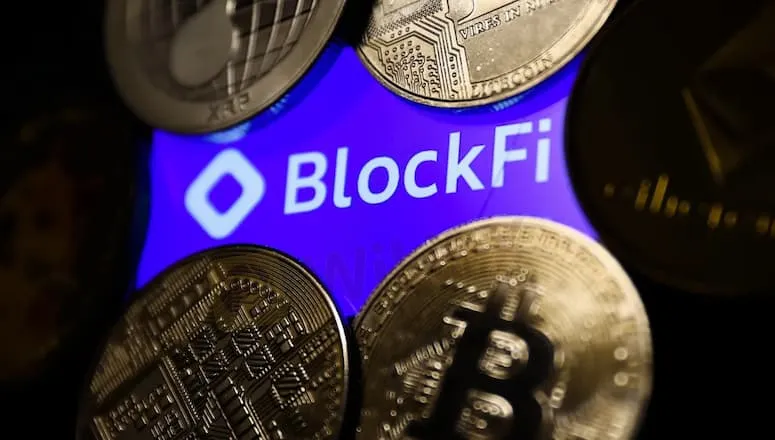
It can be remembered that, recently FTX and FTX.US crashed due to a lack of liquidity and mismanagement of funds, followed by a large volume of withdrawals from rattled investors. The value of FTX's native token, FTT, plummeted, taking other coins down with it including Ethereum and Bitcoin, which reached a two-year low as of Nov. 9. The spread and contagion effect from FTX was always a concern and now cryptocurrency lender BlockFi has fallen.
BlockFi's bankruptcy shares similarities with that of FTX, according to Eric Snyder, partner and chairman of the bankruptcy department.
BlockFi had been struggling even prior to the FTX collapse. In fact, the company was bailed out with credit support form FTX of which the company could access up to USD 400 million. BlockFi is not a traditional exchange, rather a lender in which it used cryptocurrency assets as collateral for the loans. As the value of the crypto assets has declined the value of the companys collateral became lower and lower and the company was unable to cover its liabilities.
The moment the FTX crisis broke out, the support the credit offered by FTX was of course no longer available leading to a liquidity crisis. The bankruptcy filing outlined that the company currently has 256.9 million dollars of cash on hand which it says will provide enough liquidity in the short term to keep it operational until a restructuring can be done. The company owes approximately 100,000 creditors and the top creditor is the SEC is number which is owed 100 million dollars to settle charges it has in relation to one of its products that it offered. The company has halted withdrawals from its platform and acknowledged the significant exposure it has to FTX.
Will BlockFi end up like FTX?
Crypto lender BlockFi Inc. filed for bankruptcy, becoming the latest digital-asset firm to collapse in the wake of the rapid downfall of the FTX exchange and stoking worries that more corporate failures lie ahead. Also according to the The manager of the financial group said that advising BlockFi has made it clear that the situations Is not the same as FTX. This is because they believe that the management teams of BlockFi are experienced, competent, and responsible as opposed to the leadership at FTX. There have been to date, “No failure of corporate controls and the companys financial statements have shown to be trustworthy”. The difference in management and leadership does represent a potential safe exit for BlockFi and perhaps a lower level of negative impact on the crypto sector.
Ultimately, the situation surrounding BlockFi just highlights how precarious the whole FTX crisis is and the potential for other firms to be caught up in the fiasco. With such an interconnected market other exchanges and entities need to stay vigilant and aware of their exposure to the falling value of their assets.


Read more
Pepperstone Review 2026: Massive Deposit & Withdrawal Complaints Against This Regulated Broker
Have you experienced issues with Pepperstone deposit & withdrawal processing? From your experience, do you feel that the Australia-based forex broker causes losses to its clients? Did the brokerage entity freeze your account and give you a margin call? All these trading allegations have been rampant on broker review platforms such as WikiFX. This Pepperstone review article takes a close look at the user complaints, especially in 2026. Additionally, we have given an overview of the regulatory framework under which the brokerage entity operates.

Wundersys vs tradgrip: Two Offshore Newcomers Go Head to Head — and Neither Brings Home a Trophy
Some broker comparisons end with a confident "go with this one." This is not one of them — and that honesty is exactly what makes it worth reading. Wundersys and tradgrip are two young, offshore-registered brokers that keep popping up in front of beginner traders, often through aggressive online marketing. Both promise the usual buffet: tight spreads, generous leverage, multiple account tiers. And both, according to WikiFX, sit near the very bottom of the safety scale. So instead of crowning a champion, this comparison is really about something more useful: learning to read the warning signs, understanding the small differences that still matter, and knowing why "the better of two risky options" is still a conversation about risk.
The 6 Lowest-Commission Forex Brokers South Asian Traders Are Flocking To in 2026
If you trade forex from India, Pakistan, Bangladesh, Sri Lanka, or Nepal, you already know the quiet truth that eats into every trader's results: it is not just the market that decides whether you profit — it is the cost of getting in and out of each trade. Shave a couple of dollars off your commission on every lot, multiply it across hundreds of trades a year, and you are looking at the difference between a strategy that works and one that bleeds out slowly. South Asian traders are some of the most cost-conscious in the world, and rightly so. So we pulled the data on the brokers most often recommended for the region, cross-checked every name on WikiFX, and ranked them by the one number that matters most here: what they actually charge you to trade. Before the list, one quick lesson that will make this whole ranking click.

XPO Fund Wants $10,000 Before You Trade a Single Real Dollar — Read This Stunning Revelation
If you have spent even a week inside trading communities lately, you already know the pitch by heart. Pass a quick "challenge," get handed a funded account worth tens of thousands of dollars, and keep up to 80% of everything you make. No risking your own savings, no slow grind of building capital from scratch — just skill, a small fee, and a fast track to the big leagues. It is the exact dream every new trader is secretly chasing, and an entire industry has sprung up to sell it. XPO Fund is one of the louder voices selling that story right now. Its website is slick, its plans sound generous, and its marketing leans hard on words like "industry's lowest fee" and "fast payouts." But before you reach for your card, there is one number sitting quietly on this firm's profile — a number it would rather you scroll past — that every experienced trader would beg you to look at first. And no, it is not the profit split. Let's pull XPO Fund apart piece by piece: what it actually is, who is real
WikiFX Broker
Latest News
Balancing Chart Volatility With Account Limits in Stop Loss Placement
 WikiFX
HTFX Review 2026: Withdrawal Complaints, Offshore Regulation, and Account Access Risks
WikiFXCFI Review 2026: Should You Trade with This Broker?
WikiFXInteractive Brokers Review 2026: Regulation Fines, Platform Access, and Complaint Risks
WikiFXVantage Review 2026: Is This Forex Broker Safe?
WikiFXThe Dunning-Kruger Trap: How Beginner Forex Traders Can Overcome Overconfidence and Manage Risk
WikiFXUnderstanding Currency Pairs, Central Banks and Core Forex Market Risks
WikiFXWhat Beginners Must Know About Stop-Loss Orders and Trading Risk
WikiFXPepperstone Review 2026: Massive Deposit & Withdrawal Complaints Against This Regulated Broker
WikiFXFrom Myanmar to Malaysia: Scam Syndicates Relocate from Southeast Asia’s Fraud Centres
WikiFXRate Calc

