XM Revamps Trading Platform with AI
Abstract:XM launches TradingView charts, an on-screen AI assistant, and faster, seamless access—upgrades designed to speed decisions and elevate trader precision.
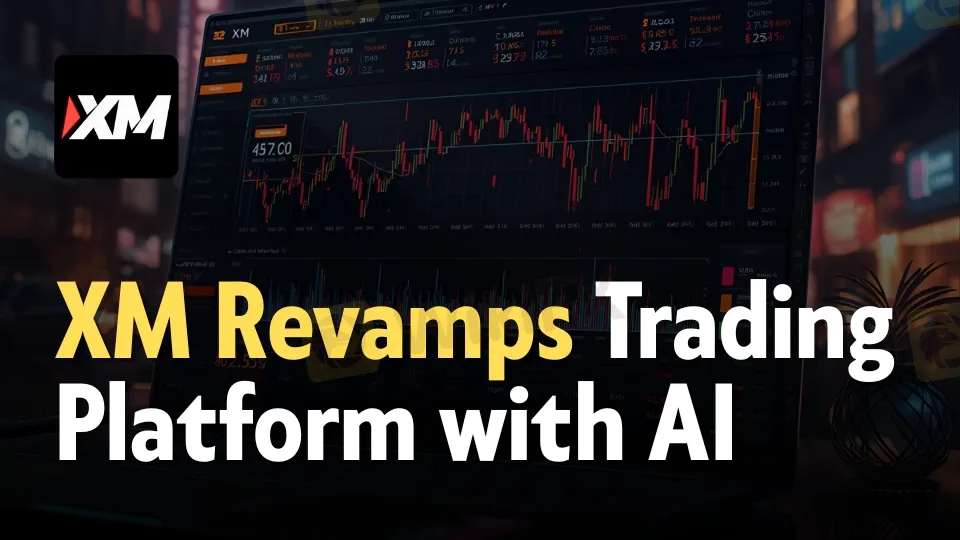
XM has rolled out a major platform upgrade featuring TradingView chart integration, an in‑platform XM AI assistant, and a speed‑first redesign aimed at faster decisions and a more personalized trader experience, reflecting a push toward insight, precision, and seamless access across devices.
What Changed and Why It Matters
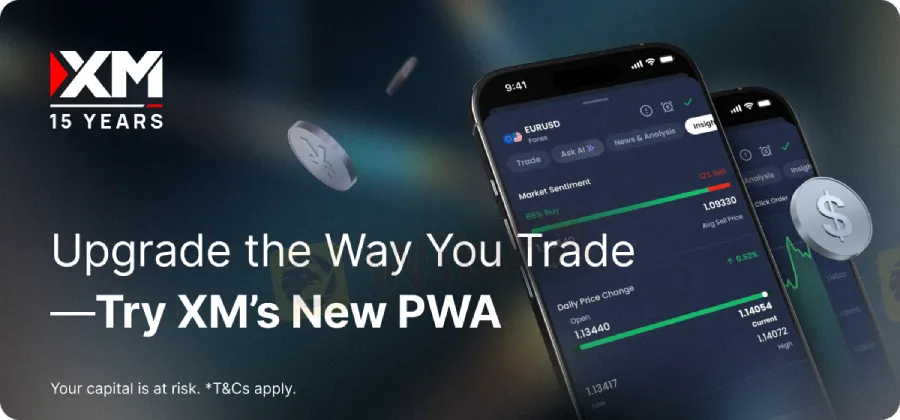
XM integrated TradingView to deliver advanced charting and multi‑timeframe analysis within its ecosystem, reducing tool‑switching and improving technical workflows for retail traders under time pressure. The broker also introduced XM AI, a proprietary assistant that surfaces instant answers and strategy context directly on‑screen, keeping analysis at the point of decision without tab switching. According to XM leadership, the rollout aligns with a mission to equip clients with tools that support more confident, efficient trading, a direction reinforced by strong initial user sentiment.
Early Reception and Trader Impact
Client feedback highlights an intuitive layout, real‑time Explore page updates, and custom watchlists as practical gains that streamline daily routines and watchlist management. Traders report that the embedded XM AI reduces friction in research by delivering real‑time insights inside the trading flow, potentially narrowing the gap between signal recognition and execution. For active retail participants, the combination of faster interface performance and embedded intelligence can be the difference between timely action and missed opportunity in volatile markets.
Position in a Competitive Landscape
Brokers are racing to deliver smarter, more personalized platforms; XM‘s pairing of TradingView analytics with an in‑platform AI assistant positions it among a small set offering real‑time automation support without external dependencies. XM product leaders note rapid client adoption, underscoring that modern expectations extend beyond execution into guidance, context, and speed within a unified workspace. With 15‑year momentum and strong satisfaction metrics, the firm’s roadmap emphasizes innovation, rewards, and user empowerment heading into late 2025.
Whats Next for Users
XM has teased its largest bonus promotion, expected to launch in October, encouraging traders to open accounts to access the upgraded stack and prepare for campaign availability. Looking ahead, XM signals continued focus on AI‑driven personalization, smart watchlists, and real‑time educational overlays designed to sharpen precision during fast market moves. If the upcoming promo delivers impact on par with the platform overhaul, XM could further consolidate its position with retail traders seeking speed, insight, and streamlined execution.


Read more
Spreadex Review: Wider Spread & Unexplained Account Closure Allegations for This 2-Decade-Old Broker
Did you incur trading losses on the Spreadex platform due to wider spreads? Have you experienced delays in trade processing by the United Kingdom-based forex broker? Has your Spreadex trading account been closed without any explanation? You are not alone! Many traders have expressed concerns on online broker review platforms. In this Spreadex review 2026, we have covered user allegations and provided a regulatory framework the broker operates under.
cTrader White Label Platform: A Practical Guide for Broker Evaluation and Multi-Asset Expansion in 2
A broker can launch a white-label platform quickly and still fail the first serious operating test. The failure often begins quietly: an assets expansion has been approved, the client app is branded, and a new account journey looks complete. Then a client asks why a trade-related status, funding hand-off, or account restriction looks different across channels. Support cannot see the same reference trail as operations. The product owns the screen, but no one owns the explanation. The issue is not a missing feature. It is an untested operating model. That is why a cTrader white label platform should be evaluated as a route to a multi-asset service - not as a shortcut to a more attractive terminal. The central question is whether the broker can add instruments, client channels, integrations, and service capacity without making its controls harder to operate or explain.

Is TradingPRO Safe? FCA Warning, Indonesia Blocklist Evidence, and 7 Checks Before You Deposit
This Trading Pro broker review checks the FCA warning, Indonesia blocklist evidence, licence claims, and what South Asian users should verify before depositing.
MT4 White Label Cost in 2026: What Brokers Must Budget Beyond the Platform Fee
The visible fee in an MT4 white label proposal is rarely the real cost of operating it. For an existing broker, the decision is not simply whether an MT4 white label platform is “cheap” or “expensive.” The real question is whether the commercial model remains viable after integration, support, data, client migration, compliance, and exit costs are included. That is why an MT4 white label cost review should be built as a 24- to 36-month operating case. It should compare three credible choices: 1. Keep the present MT4 setup and improve its weakest controls. 2. Replace the MT4 white label provider but retain the client proposition. 3. Migrate selected clients or products to another platform while running MT4 in parallel. This guide explains how to build that case without relying on headline prices or generic vendor claims.
WikiFX Broker
Latest News
Still Trusting Telegram Signals? This Is Why You Are Still Not a Profitable Trader
 WikiFX
Darwinex Review: Regulated but Office Not Found with Trader Complaints?
WikiFXBROKSTOCK Review: What Traders Should Know Before Depositing
WikiFXRBI Ends Deposit Rate Discrimination Between Branches
WikiFXOROKU EDGE Review: Blacklisted by SCM Malaysia and Users Report Frozen Funds
WikiFXWhy Do Forex Brokers Show Different USD/MYR Quotes?
WikiFXReview 2026: Dollars Markets Regulation, Withdrawal Complaints, and Platform Risks
WikiFXCapital Guard Liquidated: $17.4m Raised, Most Funds Gone
WikiFXPocket Broker Review: Is Your Deposit Safe?
WikiFXIs Octa Safe for Malaysian Traders? Deep Dive into Octa's Regulatory Status
WikiFXRate Calc

