FROM XEROMARKETS TO ZERO
Abstract:According to the report, XERO Markets recently declare bankruptcy, and a lot of traders who use this platform are starting to worry. In addition, this broker has been given a low score by WikiFX and we also received a lot of complaints against this broker. Be careful!
About XEROMARKETS
XEROMARKETS was a forex broker that promised investors a safe and profitable way to invest in the forex market. However, as time went on, it became apparent that the broker was not what it claimed to be. XEROMARKETS was not regulated by any financial authority, which meant that it was not accountable to anyone. This lack of oversight led to a variety of problems for investors.
XEROMARKETS on WikiFX
The collapse of XEROMARKETS, a forex broker, has left a significant number of investors in financial ruin. The broker, which scored just 1.93/10 on the WikiFX platform, was not under any supervision, leading to its eventual bankruptcy.
WikiFX has received complaints against XEROMARKETS from the trader. Some people claimed that this broker defraud a lot of money from the victims and then declared bankruptcy in order to descend with the money.

The Bankruptcy
Ridzuan Rahman on Facebook recently shows us the details related to the XEROMARKETS bankruptcy.


He received a call from XeroMarkets. According to the statement, the management of XeroMarkets has held a meeting with all the staff. During the meeting, XeroMarkets states that:
1: The operation of this broker will be closed and all staff will be fired within 2 weeks. During this period, all staff will “work from home” until May 14, 2023.
2: The CEO of this broker will liquidate all assets in the XeroMarkets accounts and pay the withdrawal of all clients in a staggered manner but the date has not been announced yet.
According to the statement above, we can see that the broker did not mention the deadline for the delay. This means this broker can hold investors funds as long as it wants. WikiFX wants to tell you: That scammers will never inform you in advance that they will run away when they take your money away fraudulently.


Many investors found that their withdrawal requests were not being processed, and they were unable to get their money out of the broker. This left them in a precarious financial position, with no way to access their funds.
As the problems with XEROMARKETS continued to mount, the broker's reputation began to suffer. Investors took to social media and other online platforms to warn others about the dangers of investing with XEROMARKETS.


Eventually, the inevitable happened, and XEROMARKETS filed for bankruptcy. This left investors in a dire situation, with many of them losing their entire investments. The bankruptcy of XEROMARKETS serves as a cautionary tale for anyone thinking of investing in the forex market.
The collapse of XEROMARKETS has highlighted the importance of regulation in the financial industry. Regulated brokers are accountable to financial authorities, which means that investors can have more confidence in their investments. When a broker is not regulated, there is no oversight, and investors are left vulnerable to fraud and other abuses.
Conclusion:
the bankruptcy of XEROMARKETS has left a lot of investors in a difficult situation. The lack of regulation and oversight led to a variety of problems for investors, including the inability to withdraw funds. The collapse of XEROMARKETS should serve as a warning to anyone thinking of investing in the forex market. Investors need to do their due diligence and ensure that they are investing with a regulated broker that has a good reputation. WikiFX advised investors to be aware of the risk of investing in XEROMARKETS.
WikiFX is actively reaching out to the victims and other traders hoping to find more evidence to help him resolve the problem. Please stay tuned for more information.
WikiFX keeps track of developments, providing instant updates on individual traders and helping investors avoid unscrupulous brokers. If you want to know whether a broker is safe or not, be sure to open WikiFXs official website (https://www.WikiFX.com/en) or download the WikiFX APP through this link (https://www.wikifx.com/en/download.html) to evaluate the safety and reliability of this broker!


Read more
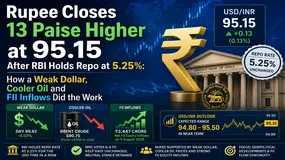
Rupee Ends 13 Paise Up at 95.15 After RBI Holds Repo at 5.25%: The Effect of a Weak USD, Cooler Oil
The Indian rupee settled at 95.15 against the US dollar on 5 August 2026, gaining 13 paise after the Reserve Bank of India's Monetary Policy Committee voted 6-0 to keep the repo rate unchanged at 5.25 percent for the third time in a row in FY27. The rupee had opened 46 paise higher, rallied to an intraday strongest of 94.89 ahead of the policy decision, and then drifted back as RBI Governor Sanjay Malhotra noted that the currency 'has not appreciated as intended despite the high flows from foreign shores.' A weak dollar index, a sharp pullback in Brent crude from above USD 100 in July, and net FII equity inflows of Rs 2,447 crore on Tuesday combined to support the rupee. USD-INR is expected to trade in a 94.80-95.50 band in the near term.
Errante Review 2026: Users Claim a Poor Trading Experience. What Does Our Investigation Reveal?
Errante, a Seychelles-based brokerage entity, is facing serious trading allegations from users globally. Users claim to have earned profits legitimately using their strategies. However, on the Errante login dashboard, many users reported an automatic deduction of earned profits. At the same time, withdrawal issues allegedly haunt many traders here. While investigating, we also found complaints concerning trade order manipulations by the broker. In this Errante review, we have examined these allegations and given an overview of its regulatory status.
Monisha Chakraborty Appointed as RB Executive Director: What Does This Mean for India's FX Market?
The Reserve Bank of India has appointed Monisha Chakraborty as Executive Director with effect from 3 August 2026; she will oversee the Foreign Exchange Department and the Financial Markets Regulation Department. Chakraborty is a career central banker with over three decades of experience in Supervision, Foreign Exchange, and Government and Bank Accounts, and previously served as Banking Ombudsman. This report explains the significance of the new RBI Executive Director appointment for forex regulation India, the scope of the Foreign Exchange Department and the Financial Markets Regulation Department, and what authorised persons, banks, and forex market participants should monitor as the new ED takes charge.
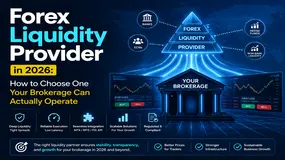
Forex Liquidity Provider in 2026: How to Choose One Your Brokerage Can Actually Operate
A forex liquidity provider decision now shapes the broker's spreads, fills, slippage, hedging cost, regulatory exposure, and exit options long after the platform is chosen. This 2026 guide explains what a forex LP actually delivers versus what the marketing claim says, how tier-1 banks, prime of prime, and multi-LP aggregators differ in practice, and how execution models (DMA, ECN, STP) change the broker's daily operating reality. It also walks through due diligence on credit, technology, reporting, governance, and exit, and shows how a 2026 broker can combine a primary LP with secondary routing without losing control of the client experience. Use the decision matrix, integration timeline, and operational tests to compare an fx liquidity provider before contract signature, not after a market event.
WikiFX Broker
Latest News
Apple Faces Lawsuit Over Fake Crypto App Exposing $1.8 Million Theft
 WikiFX
Trump Memecoin Faces SEC Scrutiny After Nearly One Million Investors Suffer Heavy Losses
WikiFX"They Want to See Your Face": Inside ATFX Cambodia's Rise
WikiFXSpread Cheating: The Invisible Trading Cost That Could Be Working Against You
WikiFXLevels Review: No Regulation and Mounting Withdrawal Complaints – What Traders Need to Know
WikiFXLQH MARKETS Review: Multiple Traders Report Withdrawals Blocked and Accounts Terminated
WikiFXBorn2trade Adds Copy Trading to 1:5000 Leverage Platform
WikiFXPILOTFX Review: What Traders Should Know Before Depositing
WikiFXLMAX Group Review 2026: Users Report Disturbing Withdrawal Issues - Is the Broker Still Reliable?
WikiFXTrade24Seven Review: What Traders Should Know Before Depositing
WikiFXRate Calc

