OPEC in the news: Hike or hype?
Abstract:OPEC (and non OPEC members ) are battling with the West led by the US over oil price. While the West wants oil price to hover around $60/barrel, OPEC and other oil producing countries led by Russia and Saudi Arabia feel no one should dictate the price of their commodity.
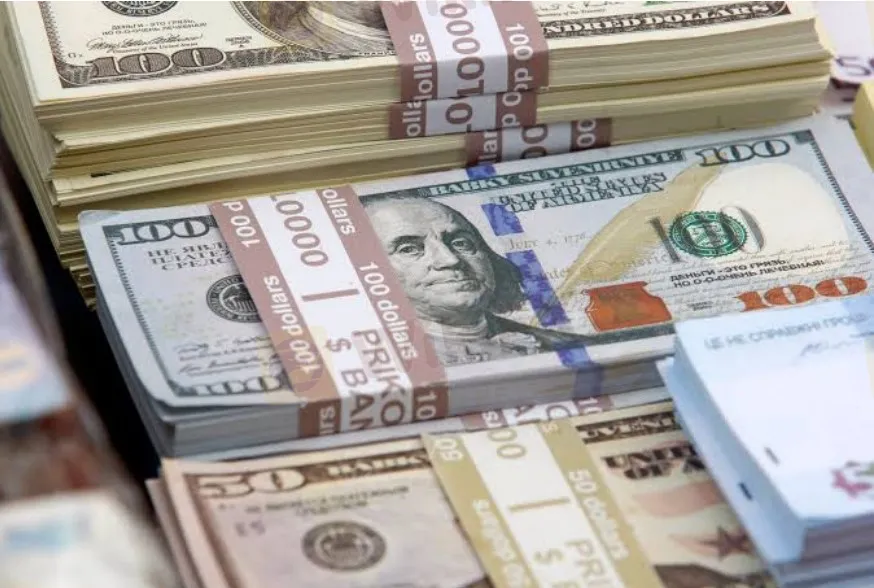
OPEC (and non OPEC members ) are battling with the West led by the US over oil price. While the West wants oil price to hover around $60/barrel, OPEC and other oil producing countries led by Russia and Saudi Arabia feel no one should dictate the price of their commodity.
According to the OPEC's latest Monthly Oil Market Report (MOMR) shows that crude oil production reduced by 49,000 barrels per day (BPD). That put the output down to an average of 28.8 million BPD in January, and this is part of a 156,000 BPD reduction by Saudi Arabia. How will the markets react? Everybody has a quick answer to that question.
Oil supply & demand
Crude oil prices are determined by global supply and demand. Economic growth is one of the biggest factors affecting petroleum product—and therefore crude oil—demand. Growing economies increase demand for energy in general and especially for transporting goods and materials from producers to consumers. The worlds transportation sector is almost totally dependent on petroleum products such as gasoline and diesel fuel.
And it is known by Anyone trading oil that, whenever production is cut, the supply & demand dynamic changes and crude prices go up. And not long after, commuters everywhere feel a pinch at the pump. Is it about to happen again in 2023?
In 2017, OPEC and non-OPEC members extended cuts in oil output to the tune of 1.8 million BPD. Supplies dwindled, and nations paid excessive prices throughout 2017. The whole world knew it was coming. Demand was high, and oil prices rocketed from June‘s $42 (USD) up to $66. OPEC’s mission to inflate prices succeeded.
Fast forward to 2020. Crude prices crash to 1999 prices in Q1. Dropping from $63 per barrel down to a shocking $14.00, OPECs stakeholders demanded action.
OPEC cut overall crude oil production by a massive 9.7 million BPD between May and June of 2020. The reasoning was said to be an attempt to reduce the global oversupply with hopes of firming up depressed oil prices. What followed was epic.
April 2020. The production cuts catapulted crude prices into a 2-year rally, rising to an extortionate $110 per barrel in May of 2022. The massive production cut not only improved OPEC‘s revenue, it spiked to a ten-year high. The new prices provoked governments everywhere, and political pressure followed. It’s 2023, and here we go again… or not.
All the main media channels made the oil cut announcement, as though it was a major move by OPEC. But theres nothing major about it, and traders should be cautious.
The Oil hike hype
Oil price increases are generally thought to increase inflation and reduce economic growth. When the news was first released that OPEC would cut production, thousands of traders and financial journalists jumped on the story… likely with the expectation of bullish times ahead.
Saudi Arabias energy and industry oil minister, Khalid Al-Falih said,
“We considered various scenarios, from six (months) to nine to 12 and we even considered options for a higher cut... All indications are solid that a nine-month extension is the optimum and should bring us within the five-year average by the end of the year.”
Five-year average! The 13 member countries have a near total monopoly on oil prices, and the world always needs more. OPEC has the ability to set the price at almost any level by pinching the supply chain, but there are limits that could provoke intervention or invasion, so OPEC usually tries to be reasonable.
OPEC's charter is to keep oil prices at a 5-year average… the current price stabilization agreement. But the average for the last 5 years is $67 per barrel. At the time of writing, crude is at $78 per barrel. Above the average. Hardly a justification for a new production cut. But is it really a production cut, or just a modification blown out of all proportions?
Media hype doesnt match the math
Every major financial media outlet is on oil right now. Big brand news sites are even throwing around the number “$100 per barrel” in the coming months. That might be a powerful motivator to get investors and traders to buy in. But before you do, consider the numbers again.
• A 1.8 million barrel cut added $24 to the price of crude.
• A 9.7 million barrel cut added $93 to the price of crude.
So for every 75,000 - 100,000 BPD cut, the price of crude increased by $1. Now consider that the latest cut was only 49,000 BPD, with a target cut of 156,000 BPD. Mathematically, such a supply cut should have very little impact on todays volatile prices, if any at all.
And dont forget Nigeria and Angola have increased production by 112,000 BPD, softening the supply flow shortage considerably.
Finally, When it comes to trading, dont always believe the hype, no matter how legitimate the sources are. All this media hype will affect market sentiment and pump the price, but without any real fuel behind the rally, it will likely be short-lived.
Oil prices are pushed and pulled by so many sources of influence. From the economy to politics, and corporate profit, theres a lot to follow, so stay updated with the coming fundamentals before you consider trading oil.


Read more

OANDA Review 2026 for India
OANDA review for India covering global regulation, RBI forex rules, OANDA login security, platforms and regulatory history.
TPFx Review 2026: An A+++ Result and an Impersonation Warning - What to Check Before Funding
This TPFx review examines PT Trijaya Pratama Futures, Broker Code 4461810512, its Bappebti record, the Q1 2026 A+++ assessment, look-alike website warning, product costs, withdrawals and complaint route for traders researching an Indonesia forex broker.
Angel One Review 2026: Customer Complaints, Trading Issues and What Investors Should Know
Angel One, an India-based brokerage entity, constantly receives allegations from users online. Users are complaining about withheld funds, poor customer support service, undesired trade execution orders, etc. In this Angel One review, let’s quickly go through these complaints, understand its regulatory framework and pay attention to the product portfolio.

AuroraEx Review 2026: Reputation Hit by Fund Scam & Ponzi Scheme Allegations
AuroraEx, a United States-based multi-asset brokerage entity, is facing serious user allegations over how it handles deposited funds. Many users have accused the broker of failing to meet its payment obligations. Some have questioned the broker over possible trade-related foul play, while others have alleged that it scammed them through a Ponzi operation. This AuroraEx review examines these user-reported allegations and provides an overview of the broker’s regulatory status.
WikiFX Broker
Latest News
Interactive Brokers changes overnight order default in TWS
 WikiFX
Exclusive Capital Review: Regulated by CySEC, but Traders Report Withdrawal Problems
WikiFXTenTrade Review 2026: Complaints, Withdrawals, and Risk Signals
WikiFXFiji-deported man faces charges in $165M crypto Ponzi
WikiFXReview 2026: XORKETS FX Withdrawal Complaints and Unregulated Risk
WikiFXTrendo Review: Is Your Deposit Safe?
WikiFXRinggit jumps 225 pips as US data cools Fed hike bets
WikiFXU.S. Rates and Tariffs Shape Macro Risk Sentiment
WikiFXMalaysian Doctor Loses RM558,000 to Forex-Crypto Scam
WikiFXLQH Markets Review: Unregulated Broker With Growing Withdrawal Complaints
WikiFXRate Calc

