Why Paid Forex Signals Are a Trap for Beginners

Abstract:Many new traders buy into paid Forex signal services hoping for an easy shortcut to profits. This article explains why blindly following third-party alerts is dangerous, why market context matters, and why building your own trading system is the only sustainable path for beginners.
It happens to almost every beginner in Malaysia and around the world. You open a brokerage account, place a few trades, and quickly realize that the Forex market is complex. Soon enough, you see an ad for a VIP signal service promising massive profits. All you have to do is copy their trades.
It sounds like the perfect shortcut. But relying on someone else's trading signals rarely ends well. Here is what you need to understand before paying for these alerts, and what you should be focusing on instead.
You Are Trading Completely Blind
A Forex signal service does the analysis for you. A programmer or “professional” trader creates a set of rules, usually based on technical indicators. When the market meets those conditions, you receive a notification via email or text message telling you exactly when to buy or sell.
The main problem here is that you have no idea what the basis for the trade actually is. You do not know the rationale behind the entry or how the creator came up with it. You are simply taking orders. If the trade starts moving against you, you will not know whether to cut your losses early or hold on, because the initial analysis was never your own.
Markets Constantly Change, Algorithms Do Not
Signal services are often programmed to follow a very strict, constant set of rules. However, the global Forex market is always shifting.
For example, a major factor in currency movement is the relationship between global stock markets and Forex. In basic theory, when a country's domestic equity market rises, investor confidence grows. This leads to an inflow of foreign funds, creating demand for the domestic currency and causing it to rally. On the flip side, when confidence falters, investors pull their money out.
Relationships like the one between the U.S. Dollar and the S&P 500, or the Dow Jones and the Japanese Yen, can be highly unpredictable. They might move together for years, and then suddenly move in opposite directions. A rigid signal service algorithm often fails to adapt to these shifting correlations. What was profitable in the past is no guarantee of future success.
The Logic Check
The biggest danger with Forex signals is not always the service itself, but the way it is marketed. Scammers often run ads promising that you will make incredible wealth just by following their daily alerts.
Stop and think about the logic here. If a trader genuinely had a foolproof system that generates massive, continuous profits, why would they want to share the profit? If their signals were truly that life-changing, they would not be spending their time selling subscriptions for a small monthly fee. They would simply trade their own money quietly.
What Happens When a Signal Fails?
When a copy-pasted trade goes into negative territory, beginners often panic and attempt advanced strategies they do not fully understand, such as hedging.
Hedging in Forex involves opening a position in the opposite direction of your current losing trade to offset the risk. For instance, if you bought a currency pair and it is dropping, you might simultaneously sell the same pair so that further price changes result in one winning and one losing trade.
However, to truly hedge, the exact total of your buy and sell positions must match the price fluctuation perfectly. If you are just guessing because a signal went wrong, a poorly executed hedge will just lock in your losses and drain your account through additional broker fees.
The Better Path: Build Your Own System
Instead of paying a third party to dictate your trades, spend your time building your own trading system.
A robust system involves your own observations of price movements and strict capital management. Once your system is refined and can generate stable profits, your only job is to stick to your own rules.
Taking control also means understanding the mechanics of your account. You need to know how your Forex broker operates—specifically how they charge you through spreads (the difference between the buy and sell price), fixed commissions, and overnight swap fees. You must also ensure your funds are protected by choosing a broker regulated by strict, legitimate authorities, such as the FCA in the UK or ASIC in Australia.
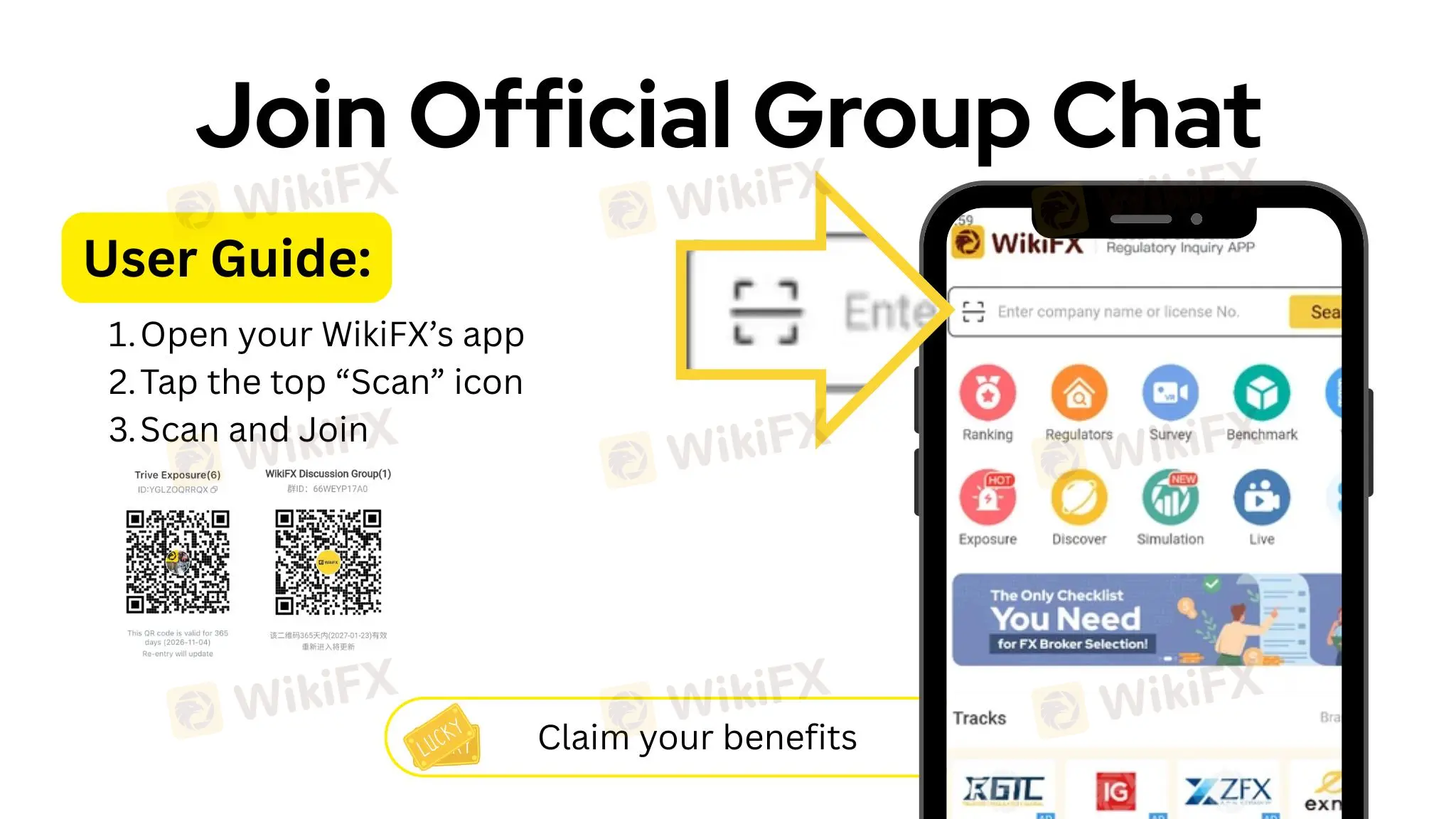
Trading is a personal skill, not a copy-paste lottery. Focus on building a strategy you understand. Before you deposit money to test your new system, you can use the WikiFX app to verify that your chosen broker is properly regulated and safe from manipulation.

WikiFX Broker
Latest News
Spotting Trend Reversals: How to Read Hammer and Engulfing Candlesticks
WikiFXWhy Real Money Forex Trades Trigger Early Exits
WikiFXRM371,000 in Life Savings Lost After Trusting a Facebook Investment Ad
WikiFX$100 Million Fine, Deposit Delays and Customer Outrage: Is TIGER BROKERS Losing Traders' Trust?
WikiFXStockity Review 2026: Offshore Regulation, Complaints, and Withdrawal Risk Signals
WikiFXJapan raises interest rate to highest since 1995
WikiFXTrading the 24-Hour Currency Market on a 9-to-5 Schedule
WikiFXDollar Slips After Ceasefire Agreement
WikiFXForexDana Review 2026: Is This Forex Broker Safe?
WikiFXKraken Becomes FIFA World Cup 2026's Official Crypto Exchange | What It Means for Investors
WikiFXRate Calc

