Genesis Files for Chapter 11 Bankruptcy in the Southern District of New York
Abstract:Crypto firm Genesis files for Chapter 11 bankruptcy in Southern District of New York, with estimated liabilities of $1 billion to $10 billion and estimated assets of $1 billion to $10 billion, according to a filing.

Crypto firm Genesis files for Chapter 11 bankruptcy in Southern District of New York, with estimated liabilities of $1 billion to $10 billion and estimated assets of $1 billion to $10 billion, according to a filing.
Genesis Global Holdco LLC and two of its lending business subsidiaries, Genesis Global Capital LLC and Genesis Asia Pacific Pte. Ltd., filed for bankruptcy protection in the Southern District of New York. Genesis said that its other subsidiaries involved in the derivatives and spot trading and custody businesses and Genesis Global Trading are not included in the filing and continue client trading operations.
Genesis said that it has more than $150 million in cash on hand, providing ample liquidity to support its ongoing business operations and facilitate its restructuring. An “independent special committee” will lead its restructuring process, including its board of directors, towards coming up with the best outcome.
However, the filing excludes the firms other subsidiaries involved in the derivatives and spot trading and custody businesses and Genesis Global Trading.
Previous reports had revealed that the firm was considering filing for bankruptcy protection in a situation whereby it could not obtain capital to deal with its liquidity crisis.
The firm published a press release on January 19, noting that it discussed with its advisors, creditors and parent company towards evaluating the best way to preserve assets and move the business forward.
“Genesis has now commenced a court-supervised restructuring process to further advance these discussions and reach a holistic solution for its lending business, which, if achieved, would provide an optimal outcome for Genesis clients and Gemini Earn users,” reads the press release.


Read more
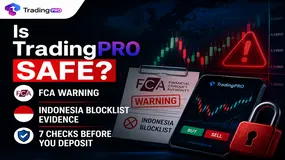
Is TradingPRO Safe? FCA Warning, Indonesia Blocklist Evidence, and 7 Checks Before You Deposit
This Trading Pro broker review checks the FCA warning, Indonesia blocklist evidence, licence claims, and what South Asian users should verify before depositing.

Best White Label Trading Platform 2026
The decision to switch white label providers or migrate to a modern white label trading platform is no longer a luxury for growth-minded brokers—it's a strategic necessity for survival in 2026. The convergence of technological stagnation, regulatory evolution, and shifting client expectations has created a perfect storm.
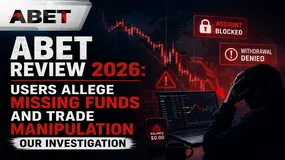
ABET Review 2026: Users Allege Missing Funds and Trade Manipulation - Our Investigation
ABET, a Bulgaria-based brokerage firm, faces severe allegations from users for the reportedly inefficient way it handles their funds. While some alleged illegitimate account blocks by the broker, others reported fund scams and trade manipulations. These ABET reviews have raised question marks over the broker’s legitimacy.

22K Trader Review 2026: Ongoing User Allegations Raise Fresh Questions About Trust
22K Trader, a United Kingdom-based brokerage entity, is facing severe fund scam allegations from Indian users, in particular. One user reported losing as high as $26,500 on the platform. Similarly, other users have claimed different loss amounts while also criticizing the forced trade execution by the broker. In this 22K Trader review, we have examined several user allegations and provided the regulatory framework the broker operates under.
WikiFX Broker
Latest News
FBS Review: Is Your Deposit Safe?
 WikiFX
Pocket Broker Review: Can You Actually Withdraw Your Money?
WikiFXTHINK MARKETS Broker Might Not Want You To See This
WikiFXYAIBroker Review: Website Is Down and Users Report Withdrawal Problems
WikiFXBONUS Review: Is Your Deposit Safe?
WikiFXAlpari Review 2026: Official Warnings and High Complaint Patterns
WikiFXHow to Spot Your First Trial Short on H1 After a Break
WikiFXIG Review: Broker Complaints Collide With Mixed Regulation Signals
WikiFXHow to Lock In Profits and Create a Zero-Risk Trade
WikiFXSTARTRADER Adds SK Hynix CFD Days After $26.5B US Listing
WikiFXRate Calc

