Crypto firms scramble to stop FTX collapse causing ‘cascade’ of chaos
Abstract:The collapse of FTX, once a $32 billion crypto exchange, has shattered investor confidence in cryptocurrencies. Market players are trying to gauge the extent of damage it has caused — and how it will reshape the industry in the years to come. Although the Leading cryptocurrency exchanges are scrambling to reassure customers that their funds are safe following the collapse of FTX.

The collapse of FTX, once a $32 billion crypto exchange, has shattered investor confidence in cryptocurrencies. Market players are trying to gauge the extent of damage it has caused — and how it will reshape the industry in the years to come. Although the Leading cryptocurrency exchanges are scrambling to reassure customers that their funds are safe following the collapse of FTX.
The CEO of Crypto.com downplayed concerns of a crypto market contagion during a Q&A session on YouTube on Monday, claiming that the exchange has a “tremendously strong balance sheet”.
Changpeng Zhao (CZ), who heads rival exchange Binance, announced that his company was forming an “industry wide recovery fund” aimed at assisting exchanges and other cryptocurrency platforms facing a liquidity crisis. CZ said the fund was intended to “reduce further cascading negative effects of FTX”, adding, “crypto is not going away... Lets rebuild.”
Roughly $200 billion has been wiped from the global crypto market over the last seven days in the wake of the downfall of FTX, which filed for bankruptcy on Friday after failing to reach a rescue deal with Binance.
Bitcoin has seen the heaviest losses in terms of overall value, with its market cap shrinking by roughly a quarter from $400 billion to around $300bn.
Beyond the market crash, the crisis has led to broader fears about cryptocurrency exchanges and custodians, and whether they can handle a surge in withdrawals that brought an end to FTX.
Crypto.com CEO Kris Marszalek looked to refute such fears during his YouTube livestream, while also addressing concerns that Crypto.com had accidentally sent more than $400 million worth of ethereum (ETH) to the wrong address.
“The funds were at no risk of being lost,” Mr Marszalek said. The system would not allow us to send money somewhere it cant be recovered.
“Our platform is performing business as usual. People are depositing, people are withdrawing, people are trading, theres pretty much normal activity just at a heightened level.”
Both crypto bosses have welcomed the prospect of increased scrutiny and regulation for the cryptocurrency space, saying it will help provide guidance for businesses and improve consumer trust. Other industry figures have described the FTX fall-out as a wake-up call for financial services regulators.
“The lack of a standardised international regulatory framework, allowing larger players such as FTX to take liberty, ultimately puts consumers and their finances at risk,” Anastasia Demtriou, general counsel at the fintech firm IFX Payments, told The Independent.
“As FTXs demise plays out, it is my hope the industry understands the need for a proper regulatory framework which spans globally. The complexity and scale of operations at FTX and other affiliated companies means that regulators will need to be collaborative, cautious and innovative in their methodology in order to protect consumers.”


Read more
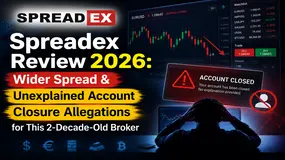
Spreadex Review: Wider Spread & Unexplained Account Closure Allegations for This 2-Decade-Old Broker
Did you incur trading losses on the Spreadex platform due to wider spreads? Have you experienced delays in trade processing by the United Kingdom-based forex broker? Has your Spreadex trading account been closed without any explanation? You are not alone! Many traders have expressed concerns on online broker review platforms. In this Spreadex review 2026, we have covered user allegations and provided a regulatory framework the broker operates under.

cTrader White Label Platform: A Practical Guide for Broker Evaluation and Multi-Asset Expansion in 2
A broker can launch a white-label platform quickly and still fail the first serious operating test. The failure often begins quietly: an assets expansion has been approved, the client app is branded, and a new account journey looks complete. Then a client asks why a trade-related status, funding hand-off, or account restriction looks different across channels. Support cannot see the same reference trail as operations. The product owns the screen, but no one owns the explanation. The issue is not a missing feature. It is an untested operating model. That is why a cTrader white label platform should be evaluated as a route to a multi-asset service - not as a shortcut to a more attractive terminal. The central question is whether the broker can add instruments, client channels, integrations, and service capacity without making its controls harder to operate or explain.
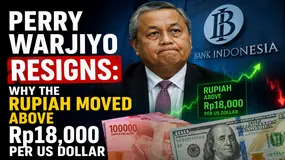
Perry Warjiyo Resigns: Why the Rupiah Moved Above Rp18,000 per US Dollar
Perry Warjiyo resigned as Bank Indonesia governor, Destry Damayanti became acting governor, and the rupiah traded above Rp18,000. Here is what forex traders should monitor next.

Is TradingPRO Safe? FCA Warning, Indonesia Blocklist Evidence, and 7 Checks Before You Deposit
This Trading Pro broker review checks the FCA warning, Indonesia blocklist evidence, licence claims, and what South Asian users should verify before depositing.
WikiFX Broker
Latest News
OtetMarkets Review: Traders Report Frozen Funds and Withdrawal Blocks , Score Sits at 2.00
 WikiFX
Is Octa Safe for Malaysian Traders? Deep Dive into Octa's Regulatory Status
WikiFXPocket Broker Review: Is Your Deposit Safe?
WikiFXReview 2026: Dollars Markets Regulation, Withdrawal Complaints, and Platform Risks
WikiFXCapital Guard Liquidated: $17.4m Raised, Most Funds Gone
WikiFXSingapore Dollar Holds Tight Range as FOMC Looms
WikiFXHow a 'Legitimate' Investment Became a RM67.5 Million Ponzi Scheme That Scammed 206 Investors
WikiFXRupee Hits Two-Week High as RBI Defends 97 Mark
WikiFXForexMart Review: Profit Canceled, Principal Withheld, and a Broker Warning Traders Cannot Ignore
WikiFXTitan Capital Markets Review 2026: Complaints, Withdrawals, and Severe Risk Signals
WikiFXRate Calc

