BXB
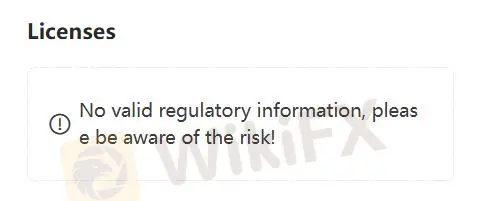
Abstract:BXB is an unregulated brokerage company registered in Japan. While the broker's official website has been closed, so traders cannot obtain more security information.
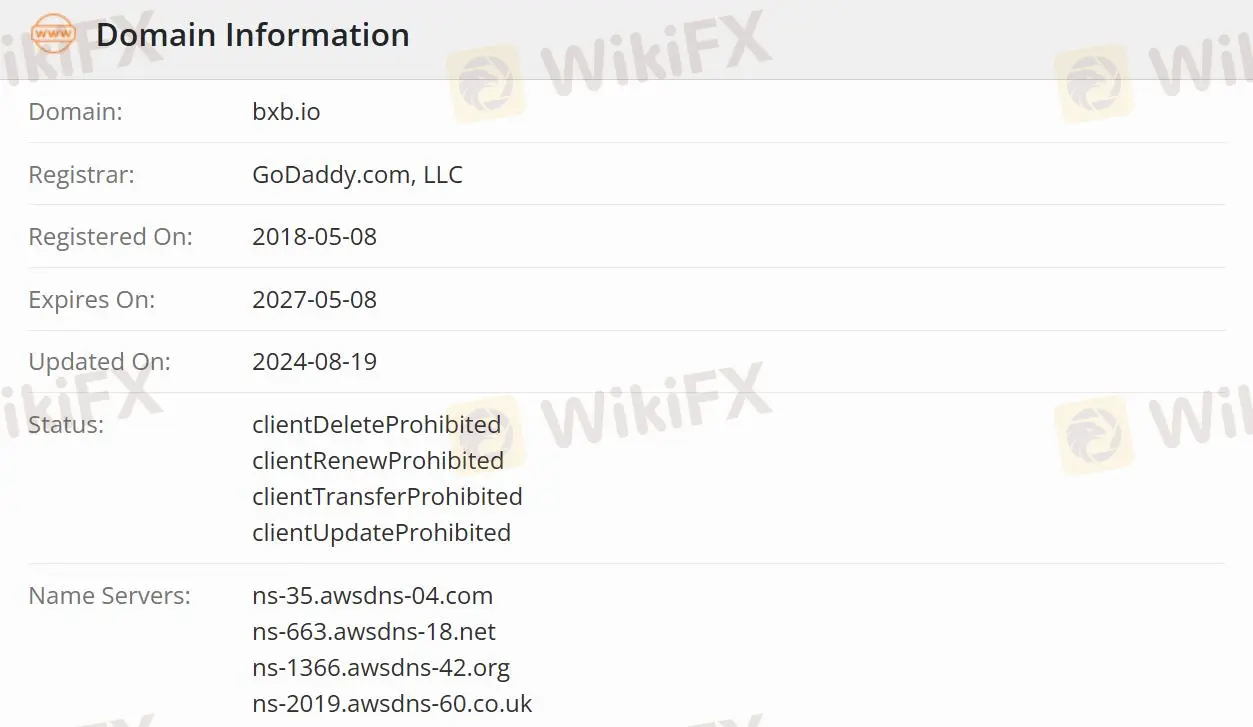
Note: BXB's official website: https://bxb.io is normally inaccessible.
BXB Information
BXB is an unregulated brokerage company registered in Japan. While the broker's official website has been closed, so traders cannot obtain more security information.
Is BXB Legit?
BXB is not regulated, which will increase trading non-compliance and reduce traders investment security. Caution is advised when dealing with the company.
Downsides of BXB
- Unavailable Website
The BXB website is inaccessible, raising concerns about its reliability and accessibility.
- Lack of Transparency
Since BXB does not explain more transaction information, especially regarding fees and services, this will bring huge risks and reduce transaction security.
- Regulatory Concerns
BXB is not regulated, which is less safe than a regulated one.
BXB Reviews on WikiFX
Because of the inaccessible website, the user's account had not been withdrawn, and it was still pending after a long time. You may visit: https://www.wikifx.com/en/comments/detail/Co202303133221989924.html.

Conclusion
BXB Since the official website cannot be opened, traders cannot get more information about security services. In addition, the unregulated status indicates that the broker's trading risks are high. It is advisable to choose regulated brokers with transparent operations to ensure the safety of your investments and compliance with legal standards. Traders can learn more about other brokers through WikiFX. Information improves transaction security.

Read more
Spreadex Review: Wider Spread & Unexplained Account Closure Allegations for This 2-Decade-Old Broker
Did you incur trading losses on the Spreadex platform due to wider spreads? Have you experienced delays in trade processing by the United Kingdom-based forex broker? Has your Spreadex trading account been closed without any explanation? You are not alone! Many traders have expressed concerns on online broker review platforms. In this Spreadex review 2026, we have covered user allegations and provided a regulatory framework the broker operates under.
cTrader White Label Platform: A Practical Guide for Broker Evaluation and Multi-Asset Expansion in 2
A broker can launch a white-label platform quickly and still fail the first serious operating test. The failure often begins quietly: an assets expansion has been approved, the client app is branded, and a new account journey looks complete. Then a client asks why a trade-related status, funding hand-off, or account restriction looks different across channels. Support cannot see the same reference trail as operations. The product owns the screen, but no one owns the explanation. The issue is not a missing feature. It is an untested operating model. That is why a cTrader white label platform should be evaluated as a route to a multi-asset service - not as a shortcut to a more attractive terminal. The central question is whether the broker can add instruments, client channels, integrations, and service capacity without making its controls harder to operate or explain.

Is TradingPRO Safe? FCA Warning, Indonesia Blocklist Evidence, and 7 Checks Before You Deposit
This Trading Pro broker review checks the FCA warning, Indonesia blocklist evidence, licence claims, and what South Asian users should verify before depositing.
MT4 White Label Cost in 2026: What Brokers Must Budget Beyond the Platform Fee
The visible fee in an MT4 white label proposal is rarely the real cost of operating it. For an existing broker, the decision is not simply whether an MT4 white label platform is “cheap” or “expensive.” The real question is whether the commercial model remains viable after integration, support, data, client migration, compliance, and exit costs are included. That is why an MT4 white label cost review should be built as a 24- to 36-month operating case. It should compare three credible choices: 1. Keep the present MT4 setup and improve its weakest controls. 2. Replace the MT4 white label provider but retain the client proposition. 3. Migrate selected clients or products to another platform while running MT4 in parallel. This guide explains how to build that case without relying on headline prices or generic vendor claims.
WikiFX Broker
Latest News
BROKSTOCK Review: What Traders Should Know Before Depositing
 WikiFX
Darwinex Review: Regulated but Office Not Found with Trader Complaints?
WikiFXRBI Ends Deposit Rate Discrimination Between Branches
WikiFXWhy Do Forex Brokers Show Different USD/MYR Quotes?
WikiFXOROKU EDGE Review: Blacklisted by SCM Malaysia and Users Report Frozen Funds
WikiFXStill Trusting Telegram Signals? This Is Why You Are Still Not a Profitable Trader
WikiFXAs Warsh‘s Fed faces pressure to act on inflation, these indicators show it’s at its lowest in years
WikiFXRomance Scam Targets Hong Kong Actress for RM156,000
WikiFXFONDEX Review 2026: Things FONDEX Broker Might Not Want You To See
WikiFXVAULT MARKETS Review: Is Your Deposit Safe?
WikiFXRate Calc

