AMP Futures-Overview of Minimum Deposit, Spreads & Leverage
Abstract:Based in the United States, AMP Futures is a futures broker formed in 2004 providing access to more than 50 trading platforms with ultra-low costs and margins. Its regulatory legality is called into question, nevertheless, as it is now marked for employing questionable clone licenses (CySEC/NFA).
| AMP Futures Review Summary | |
| Founded | 2004 |
| Registered Country/Region | United States |
| Regulation | CySEC/NFA (Suspicious clone) |
| Market Instruments | Futures |
| Demo Account | ✅ |
| Trading Platform | 50+ platforms (e.g. Quantower, MT5, Sierra Chart, MultiCharts, TradingView) |
| Minimum Deposit | $100 |
| Customer Support | Live Chat, Remote Support |
| Phone (Toll-Free: (800) 560-1640, Direct: (312) 893-6400) | |
| Email: support@ampfutures.com | |
AMP Futures Information
Based in the United States, AMP Futures is a futures broker formed in 2004 providing access to more than 50 trading platforms with ultra-low costs and margins. Its regulatory legality is called into question, nevertheless, as it is now marked for employing questionable clone licenses (CySEC/NFA).

Pros and Cons
| Pros | Cons |
| Over 50 professional trading platforms | Suspicous clone licenses |
| Very low trading commissions | Limited trading products |
| Free access to premium platforms | High fee for international wire withdrawals ($30) |
Is AMP Futures Legit?
No, AMP Futures is not legit. It uses suspicious clone licenses from CySEC and NFA. The licensed entity names and websites don't match the real authorized companies, indicating it is falsely claiming regulation to mislead users.
| Regulatory Status | Suspicious Clone |
| Regulated by | Cyprus (CySEC), United States (NFA) |
| Licensed Institution | AMP Global LTD/AMP Global Clearing LLC |
| License Type | Market Maker (MM)/Common Financial Service License |
| License Number | 360/18 (CySEC), 0412490 (NFA) |


What Can I Trade on AMP Futures?
AMP Futures offers low-cost futures trading with 50+ supported trading platforms and multiple professional data feeds. They provide free access to platforms, low margins, and no monthly fees.
| Trading Instruments | Available |
| Futures | ✔ |
| Forex | ❌ |
| Commodities | ❌ |
| Indices | ❌ |
| Stocks | ❌ |
| Cryptocurrencies | ❌ |
| Bonds | ❌ |
| Options | ❌ |
| ETFs | ❌ |
AMP Futures Fees
AMP Futures offers extremely competitive and low-cost pricing compared to industry standards. They stand out with ultra-low commissions, free access to major trading platforms, and no inactivity or monthly fees, making them one of the most cost-effective futures brokers.
| Fee Type | Amount |
| Commissions | Ultra-low; varies by platform and product, starting from $0.37 per side |
| Platform Fees | Free access to major platforms like MT5, Quantower, MultiCharts |
| Market Data Fees | Depends on feed (CQG, Rithmic, etc.); some may have additional charges |
| Inactivity Fee | ❌ |
| Monthly Maintenance Fee | ❌ |
| Deposit Fee | ❌ (ACH, wire deposits accepted) |
| Withdrawal Fee | Low or no fees; varies by method |
| Account Minimum | $100 |
| Day Trading Margins | As low as $40 (Micro E-mini S&P 500) to $400 (S&P 500 full contract) |
| Other Fees | No volume requirements or hidden costs |
| Fee Type | Service | Amount |
| Withdrawal Options | ACH (Next Day - 4pm CST Delivery, US Only) | ❌ |
| Wire (Domestic & International) | $30 | |
| Deposit Options | Incoming Wires / Checks / ACH | ❌ |
| Returned Check (NSF) | $75 | |
| Check Stop Payments / Wire Recalls / Returned Wire | $30 | |
| Currency Conversions | $30 | |
| Trading | 24-Hour Trade Desk | ❌ |
| Margin or 80% Daily Loss Limit Liquidation | $25 per contract | |
| Additional Trader (User) Login | $10 per month | |
| 3rd Party Platform Fees | Varies (see details) | |
| Administrative | Electronic Daily & Monthly Statements | ❌ |
| Mailed Monthly Statement | $30 | |
| Reproduction of Account Statements | $30 | |
| Electronic Trading Audit Detail Log | $30 |
Trading Platform
AMP Futures supports over 50 trading platforms, including Quantower, MetaTrader 5 (MT5), Sierra Chart, MultiCharts, and TradingView. Most are free for AMP users and accessible via desktop, web, and mobile. These platforms cater to traders of all skill levels, including novices, expert algorithmic traders, and professionals.

Deposit and Withdrawal
AMP Futures charges no deposit fees, and ACH withdrawals are free, whereas wire withdrawals cost $30. Opening a futures trading account requires a minimum commitment of $100.
Deposit Options
| Deposit Method | Minimum Deposit | Deposit Fees | Deposit Time |
| Wire Transfer (Domestic & International) | $100 | ❌ | Typically 1 business day |
| ACH (Automated Clearing House) | $100 | ❌ | 1–2 business days |
| Check | $100 | ❌ | Varies by mail/courier |
Withdrawal Options
| Withdrawal Method | Withdrawal Fees | Withdrawal Time |
| ACH (Domestic Only) | ❌ | Next day by 4 PM CST |
| Wire Transfer (Domestic & International) | $30 | Typically 1 business day |

Read more
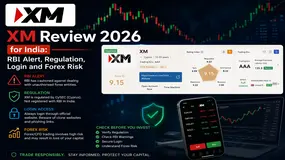
XM Review 2026 for India: RBI Alert, Regulation, Login and Forex Risk
The RBI Alert List, updated on 19 November 2025, names XM and www.xm.com at row 33. RBI says listed entities are not authorised to deal in forex under FEMA or operate an authorised forex ETP in India. XM also publishes overseas licence and risk information. These facts must stay separate. An overseas licence does not create RBI authorisation for an Indian resident.
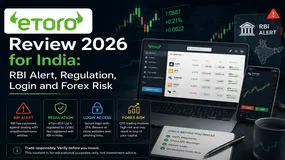
eToro Review 2026 for India: RBI Alert, Regulation, Login and Forex Risk
The RBI Alert List, updated on 19 November 2025, names eToro and www.etoro.com at row 5. RBI says listed entities are not authorised to deal in forex under FEMA or operate an authorised forex ETP in India. eToro also lists regulated companies in the UK, Europe, Australia, and other markets. Those overseas licences are entity-specific. They do not create RBI authorisation.
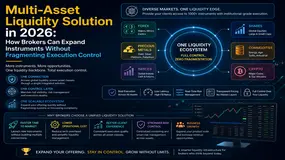
Multi-Asset Liquidity Solution in 2026: Expand Instruments Without Fragmenting Execution
A multi-asset liquidity solution can help a broker support FX, CFDs, commodities, and indices through a more unified operating model. But adding asset classes can also create fragmented symbols, pricing, routing, margin rules, records, and client messages if controls are not designed first. This 2026 guide explains how a multi asset liquidity provider, forex CFD liquidity setup, commodity liquidity provider, and indices liquidity provider fit into a broker-owned execution service. It outlines the due-diligence questions, shared-control model, cost drivers, and 90-day implementation plan that help teams expand without making the execution chain harder to explain. The aim is not to promise deeper liquidity or better trading outcomes. It is to create evidence that a broker can supervise market access, trace order events, reconcile costs, and communicate consistently to the relevant clients when conditions are difficult.
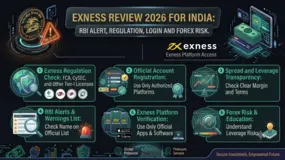
Exness Review 2026 for India: RBI Alert, Regulation, Login and Forex Risk
The RBI Alert List, updated on 19 November 2025, names Exness and the website www.exness.com. RBI says listed entities are not authorised to deal in forex under FEMA or operate an authorised forex ETP. Exness also publishes overseas regulatory records. These facts must not be mixed. Overseas regulation does not create RBI authorisation for an Indian resident.
WikiFX Broker
Latest News
DFSA warns of scam impersonating firm Menhir Capital
 WikiFX
Singapore orders Facebook, Instagram, TikTok to ban scam ads
WikiFXSQUAREDFINANCIAL Review: Withdrawal Requests Go Unanswered as Clients Report Locked Accounts
WikiFXWhy Multi-Strategy Diversification Does Not Eliminate Risk
WikiFXSri Lanka to Criminalize Unauthorized Forex Transfers
WikiFXReview 2026: EMAR MARKETS Complaints, Regulation, and Account Access Risks
WikiFXBessent says Treasury buyback operation could be more than $4 billion
WikiFXThree Losses in a Row? Rebuild Clear Decisions, Not Revenge
WikiFXKATOPRIME Review: Regulation Gaps and Broker Risks Traders Cannot Ignore
WikiFXUK Inflation Jumps to 2.9%: What the July Data Means for GBP and Bank Rate Expectations
WikiFXRate Calc

