NFA Bars Commodity Asset Management from Reapplying for Membership, Fines Former Principal $100,000

Abstract:The National Futures Association (NFA) has permanently barred Commodity Asset Management LLC, a former NFA Member commodity pool operator (CPO) and commodity trading advisor (CTA) based in New York, from reapplying for NFA membership or acting as a principal of an NFA Member in the future.
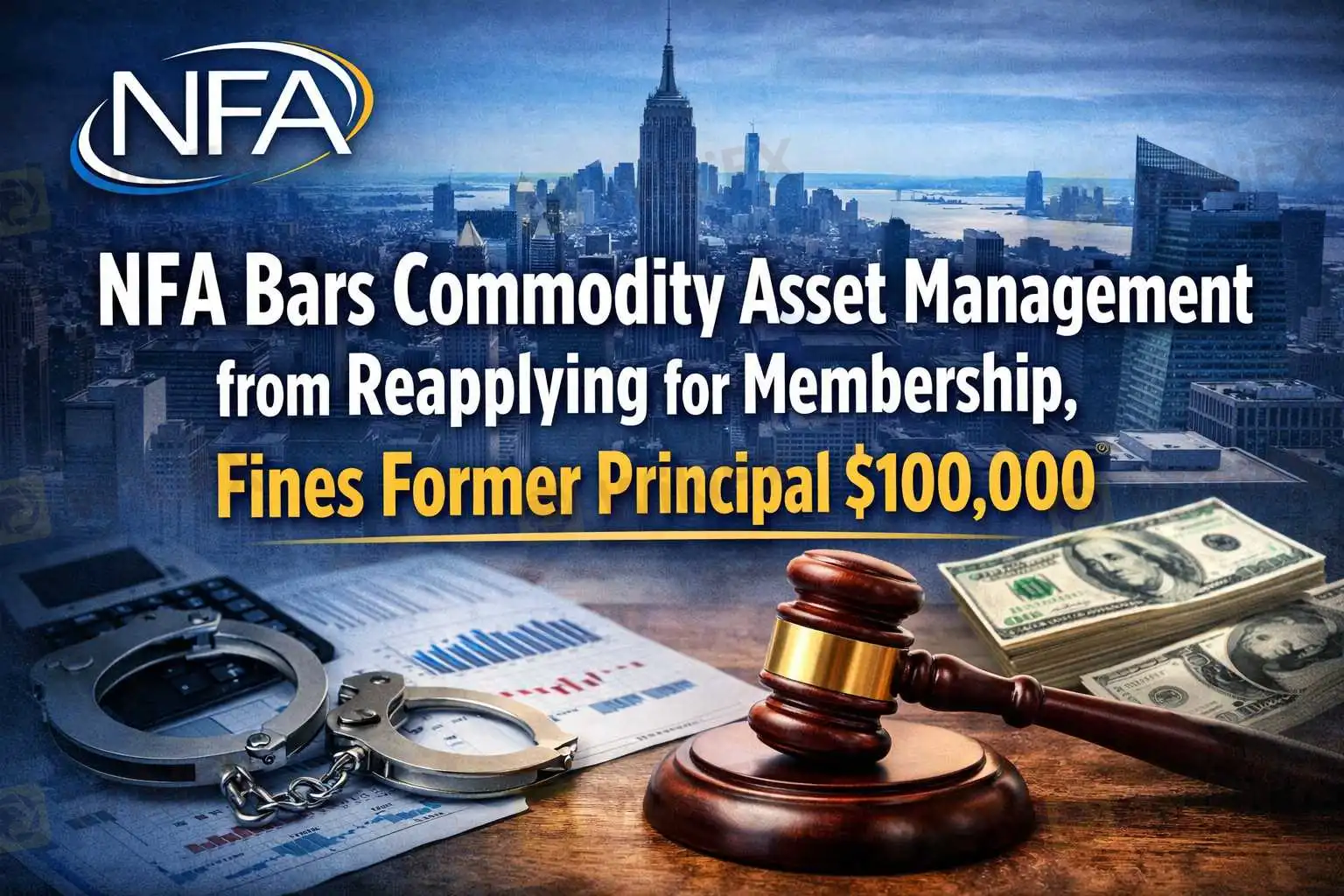
The National Futures Association (NFA) has permanently barred Commodity Asset Management LLC, a former NFA Member commodity pool operator (CPO) and commodity trading advisor (CTA) based in New York, from reapplying for NFA membership or acting as a principal of an NFA Member in the future.
The regulator also sanctioned Jonathan Mark Tulkoff, a former associated person and principal of Commodity Asset Management and a former NFA Associate.
Under the order, Tulkoff is prohibited from reapplying for NFA membership or acting as a principal of an NFA Member for a period of nine months. In addition, he must pay a $100,000 fine and comply with certain undertakings should he seek to reapply for NFA membership or principal status in the future.
Decision Issued Following Settlement
The sanctions were imposed in a Decision issued by an NFA Hearing Panel, following a Complaint filed by NFAs Business Conduct Committee (BCC).
The decision was based on a settlement offer submitted by Commodity Asset Management and Tulkoff. As part of the settlement, both respondents neither admitted nor denied the allegations outlined in the Complaint.
Allegations of Non-Compliant Promotional Materials
According to the Complaint, the BCC alleged that Commodity Asset Management and Tulkoff used promotional materials that failed to comply with NFA regulations, violating NFA Compliance Rule 2-29, which governs communications with the public and promotional material.
The regulator further alleged that the respondents failed to uphold high standards of commercial honor and just and equitable principles of trade, constituting a violation of NFA Compliance Rule 2-4.
As a result, the panel approved the settlement and imposed the disciplinary sanctions against both the firm and its former principal.
The NFA‘s enforcement action underscores the regulator’s ongoing focus on ensuring that market participants maintain accurate promotional practices and adhere to ethical standards in their communications with investors.

Read more
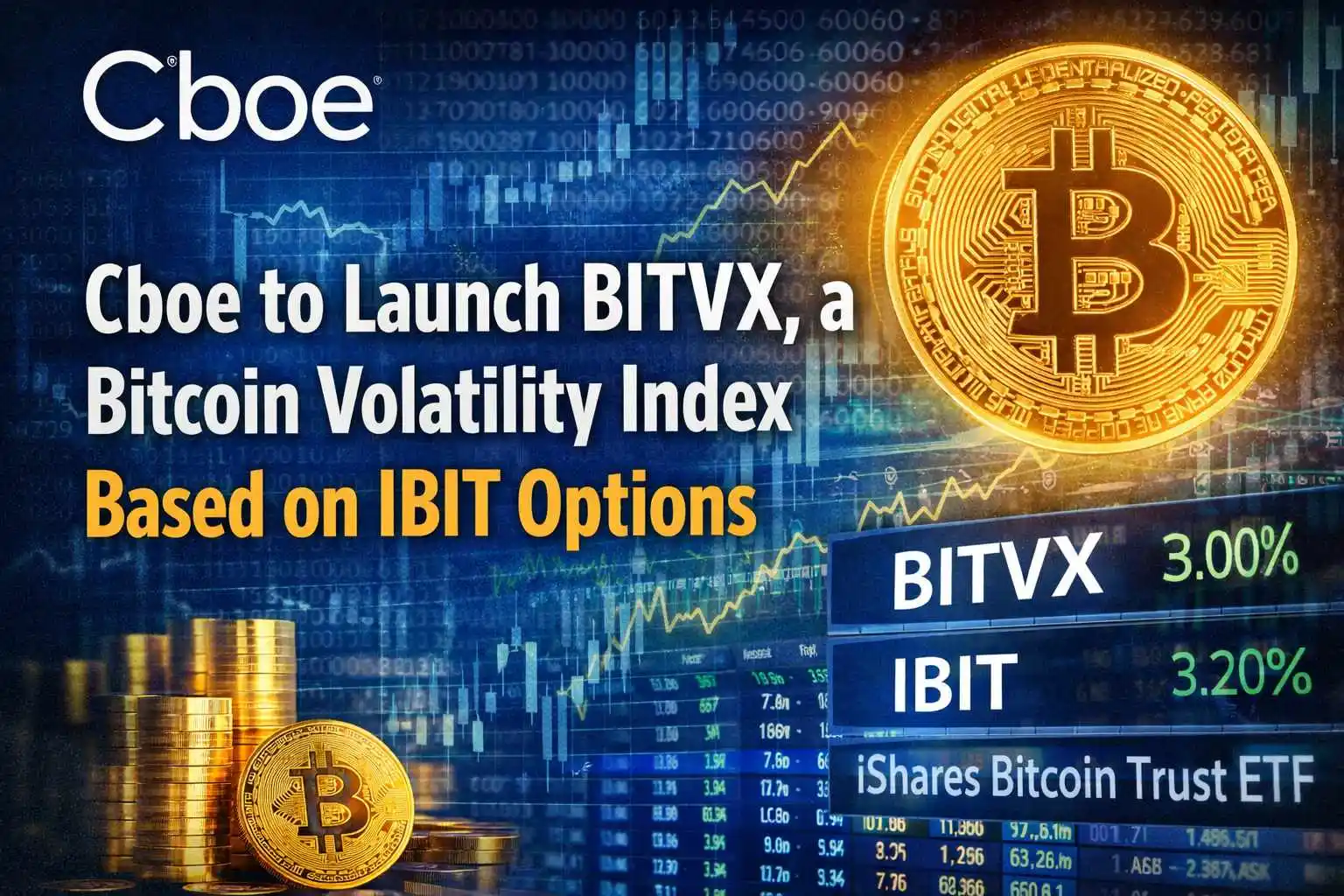
Cboe to Launch BITVX, a Bitcoin Volatility Index Based on IBIT Options
Cboe Global Markets has announced plans to launch the Cboe IBIT Volatility Index (Ticker: BITVX) on March 23, introducing a new benchmark designed to measure the market’s expectation of short-term volatility in the bitcoin market. The new index expands Cboe’s growing family of volatility benchmarks and applies the methodology behind the widely followed Cboe Volatility Index (VIX) to digital assets.
OspreyFX Review: Do Traders Face High Slippage and Wide Spreads?
Are your funds stuck with OspreyFX, a Saint Vincent and the Grenadines-based forex broker? Does your trade execution price always remain far away from the requested price due to heavy slippage? Does the broker, contrary to its claims of low-cost trading experience, widen spreads to inflate your costs? Like others, do you always witness constant fund withdrawal denials by the broker? In this OspreyFX review article, we have investigated complaints against the forex broker. Read on!
Xlibre Deposit and Withdrawal Methods: A Complete 2026 Review
When choosing a broker, how you move capital in and out of your account is extremely important. Investing funds and withdrawing them out are not just simple tasks - they show whether a broker is trustworthy and works properly. It doesn't matter if putting money in is easy if you can't get your money back out. This guide explains Xlibre deposit and withdrawal methods, but we also talk about managing risks and being careful. Sometimes it's easy to deposit funds in an account, but very hard to take out your profits and original capital. Our main goal is to keep your funds safe by giving you a clear analysis of how these processes work and, more importantly, what risks they involve.

Xlibre User Reputation: Looking at Real User Feedback and Common Complaints to Check Trust
When traders want to know if a broker is safe or a scam, they want a clear answer based on facts. After carefully studying regulation data and reports from users, Xlibre appears to be a high-risk brokerage. The direct answer to "Is Xlibre Safe or Scam?" is clearly no - it's not safe. The platform works without any proper financial regulation from a trusted authority, which is absolutely necessary to keep traders’ finances safe. This lack of oversight gets worse when you add the serious user complaints saying they cannot withdraw large amounts. These two problems - no regulation and believable claims about blocked withdrawals - are major warning signs. While "scam" is a legal term, Xlibre shows a pattern that puts it clearly in the unsafe and untrustworthy category. This article will break down the evidence step by step, giving you the information you need to make a smart decision and protect your capital.
WikiFX Broker
Latest News
Canadian Regulators Say More Than 7,500 Fraudulent Investment and Crypto Websites Were Taken Down
WikiFXOil prices jump above $100 for first time in four years
WikiFXRetiree’s Tabung Haji Savings Gone: Elderly Retiree Loses RM277,000 After One Whatsapp Message
WikiFXUS NFP Preview: Markets Brace for Volatility as Employment Data Tests Fed's Patience
WikiFXCrude Oil Rallies to $85 on Escalating Middle East Geopolitical Risks
WikiFXForex Brief: Dollar Dips Ahead of NFP; RBA Bets Lift AUD
WikiFXHeroFx Review: Withdrawal Problems, Scam Alert & Risks
WikiFXJRJR Review: Safety, Regulation & Forex Trading Details
WikiFXMiddle East Conflict Esculates: Cloud Infrastructure Targeted as US & Israel Strike Tehran
WikiFX9X markets Review 2026: Is this Forex Broker Legit or a Scam?
WikiFXRate Calc
