Middle East Conflict Esculates: Cloud Infrastructure Targeted as US & Israel Strike Tehran

Abstract:The conflict in the Middle East has entered a volatile new phase with reported drone strikes on US tech infrastructure in the Gulf and intensified bombardment of Tehran, causing the effective closure of the Strait of Hormuz.
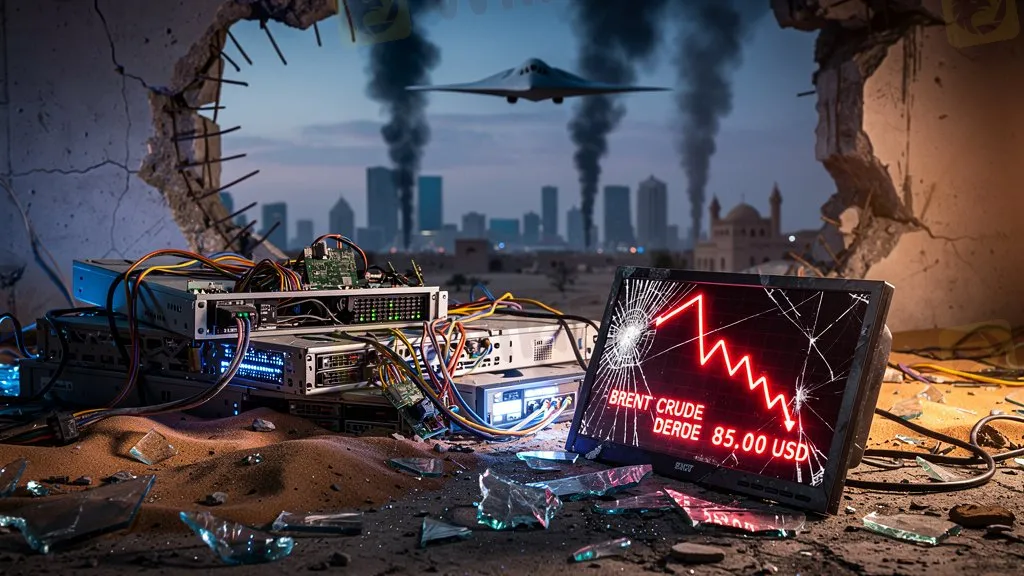
The geopolitical crisis in the Middle East has spiraled into a multi-front war, marked by an unprecedented drone strike on US 'hyperscale' digital infrastructure and intensified aerial bombardments of the Iranian capital.
The conflict, now in its seventh day, has effectively paralyzed the Strait of Hormuz—the world's most critical oil chokepoint—forcing Asian refiners to scramble for alternative supplies and pushing Brent crude above $85 per barrel.
Unprecedented Strike on 'Hyperscale' Tech
In a significant expansion of the theatre of war, Iran launched drone attacks this week on Amazons cloud facilities in the UAE and Bahrain.
Analysts describe this as the first known military strike targeting global 'hyperscale' corporate infrastructure. The attack exposes the vulnerability of the Gulf nation's multi-billion dollar AI and tech investments to Iranian ballistics, adding a new layer of risk to global market sentiment beyond traditional energy concerns.
Tehran Under Fire
The escalation follows a 'large-scale' coordinated offensive by US and Israeli forces.
- Israel: The IDF confirmed strikes on Tehrans infrastructure. Israel also claimed the first combat kill by an F-35, shooting down an Iranian Yak-130.
- United States: US Central Command reported the destruction of over 30 Iranian vessels and the deployment of B-2 Spirit bombers.
- Operations are being conducted from Diego Garcia after diplomatic hurdles with the UK were cleared.
Iran's Response and Spillover
Tehran has rejected ceasefire proposals, with the Khatam al-Anbiya Central Headquarters warning of 'more violent and widespread' attacks.
The conflict is spilling over, with Azerbaijan becoming the 13th nation involved after intercepting Iranian drones. Meanwhile, the Israeli embassy in Bahrain has come under attack.
Market participants are pricing in prolonged disruption, with former President Donald Trump stating 'no time limit' on operations aimed at dismantling Iran's nuclear capabilities.
WikiFX Broker
Latest News
TAG MARKETS Review 2026: Allegations of Withdrawal Denials & Trading Glitches
WikiFXWikiFX Wishes You a Happy International Women's Day
WikiFXCanadian Regulators Say More Than 7,500 Fraudulent Investment and Crypto Websites Were Taken Down
WikiFXOil prices jump above $100 for first time in four years
WikiFXRetiree’s Tabung Haji Savings Gone: Elderly Retiree Loses RM277,000 After One Whatsapp Message
WikiFXUS NFP Preview: Markets Brace for Volatility as Employment Data Tests Fed's Patience
WikiFXCrude Oil Rallies to $85 on Escalating Middle East Geopolitical Risks
WikiFXForex Brief: Dollar Dips Ahead of NFP; RBA Bets Lift AUD
WikiFXForex Brief: Yen Weakens Past 157.75 as BoJ Policy Hopes Dim
WikiFXMiddle East Conflict Esculates: Cloud Infrastructure Targeted as US & Israel Strike Tehran
WikiFXRate Calc
