2026 Euro Outlook: Banks Eye 1.25 as Dollar Hegemony Wanes

Abstract:As traders position for the medium term, a consensus is building among major investment banks that EUR/USD is poised for a structural bull run, potentially targeting the 1.20-1.25 range by 2026. The forecast is predicated on a convergence of transatlantic monetary policy and a rotation of global capital away from US assets.
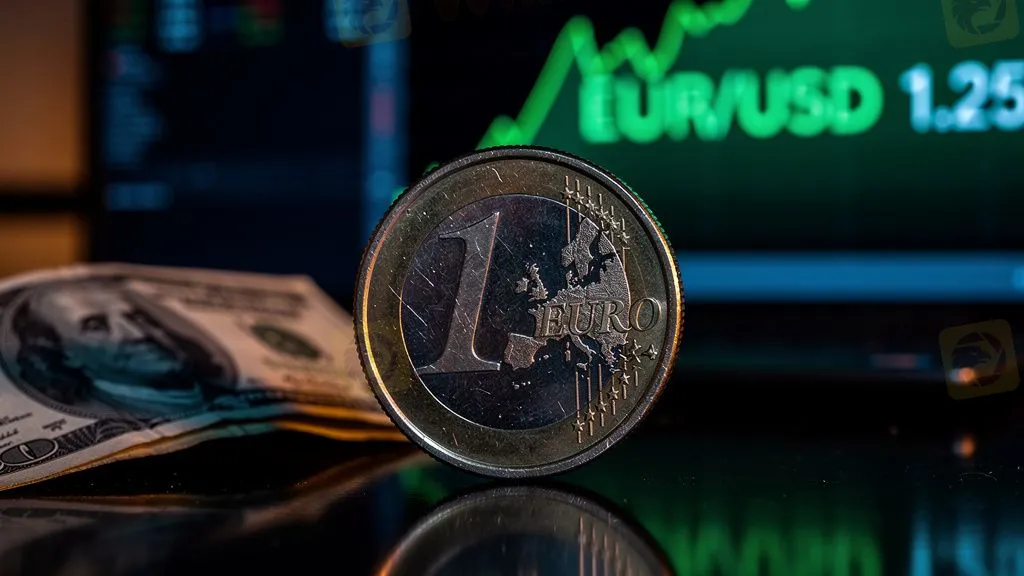
As traders position for the medium term, a consensus is building among major investment banks that EUR/USD is poised for a structural bull run, potentially targeting the 1.20-1.25 range by 2026. The forecast is predicated on a convergence of transatlantic monetary policy and a rotation of global capital away from US assets.
The Macro Pivot
The driver for a weaker Dollar is the erosion of the “US exceptionalism” trade. With the Federal Reserve expected to cut rates towards a neutral range of 2.75%-3.00% by mid-2026, the real yield advantage that bolstered the Greenback from 2022 to 2024 is evaporating.
- Goldman Sachs projects 1.25, citing a diversification of global equity portfolios out of expensive US tech and into undervalued European markets.
- Deutsche Bank aligns with the 1.25 target, emphasizing that a recovery in Asian currencies (CNY/JPY) will act as a force multiplier for broad Dollar weakness.
Structural Headwinds in Energy Trade
However, friction in real-economy trade remains a risk. Recent data shows the EU is struggling to meet its ambitious $750 billion energy purchase commitments from the US.
- LNG Shortfall: EU imports of US LNG have not met targets due to falling prices and infrastructure bottlenecks.
- Implication: If the EU fails to balance trade through energy purchases, trade tensions could resurface under a protectionist US administration, weighing on the Euro.
Technical Landscape
Technically, the Euro is showing signs of a long-term bottom. The pair has reclaimed its 200-day moving average and established higher lows on weekly charts. A sustained break above 1.19 would confirm the end of the secular bear trend, opening the door for the predicted run to 1.25. Risks to this outlook include an unexpected re-acceleration of US inflation or renewed political instability in France.
Read more
EUR/USD and EUR/JPY Outlook: Euro Strength Puts Breakouts in Focus
EUR/USD and EUR/JPY have both broken higher as the euro gains support from improved market sentiment and easing energy pressure. Key resistance and support levels are now coming into focus.

EUR/USD Weekly Forecast: Wavers Ahead of US NFP Data
The EUR/USD pair ended the week in the red last week as many investors remained in a holiday mood. It was trading at 1.1720, down slightly from last year’s high of 1.1910 ahead of key events this week.

Transatlantic Rift: Visa Wars and Tech Tariffs Threaten EUR/USD
The diplomatic fracture between the United States and the European Union is deepening, evolving from trade disputes into a broader "Visa and Tech War." This geopolitical deterioration poses a significant downside risk for EUR/USD as the pair struggles against a backdrop of slowing global growth and protectionist policies.

Geopolitical Watch: Ukraine's "Peace Draft" and Euro Implications
European assets may face repricing in the coming weeks as details of a 20-point "Peace Plan" draft between Ukraine and the US emerge. President Zelensky has confirmed that the draft approaches a final stage, signaling a potential shift towards a diplomatic resolution to the conflict.
WikiFX Broker
Latest News
The Market's Ledger: Why Price Returns to Fill Liquidity Voids
WikiFXKeeping Your Forex Profits Safe With Trailing Stop Losses
WikiFXReview 2026: Japan FSA Regulation, Platform Access, and Complaint Signals
WikiFXHEADWAY Review: Broker Complaints Point to Withdrawals, Zeroed Balances, and Login Blocks
WikiFXIndian Stocks Take a Beating, Sensex Falls by Over 600 Points Today: Check Out Why
WikiFXDollar Hits Two-Month High Amid Surging Yields
WikiFXGetting Started in Forex: Understanding Currency Pairs, Central Banks, and Legal Risks
WikiFXIndia Left Reeling as Net FDI Crashes from $28 Billion to Just $1 Billion in Two Years
WikiFXWTI Slumps As Treasury Yields Surge
WikiFXCySEC Withdraws Conotoxia Ltd Licence
WikiFXRate Calc

