WikiFX Alert: The November Purge – FSCA Drops the Hammer on 20+ Scams & Impersonators
Abstract:The Financial Sector Conduct Authority (FSCA) in South Africa just released a massive batch of warnings for November 2025. We are talking about an avalanche of red flags. From "copy trading" experts who promise to turn pocket change into a luxury sedan overnight, to brazen criminals impersonating the FSCA itself, the landscape is treacherous right now.

By the WikiFX Global Scam Hunter
Positioning: Senior Chief Editor & Market Analyst (Africa Region)
If you thought the scammers were taking an early holiday break in November, think again. In fact, theyve been working overtime.
The Financial Sector Conduct Authority (FSCA) in South Africa just released a massive batch of warnings for November 2025. We are talking about an avalanche of red flags. From “copy trading” experts who promise to turn pocket change into a luxury sedan overnight, to brazen criminals impersonating the FSCA itself, the landscape is treacherous right now.
But here is the good news: The regulator isn't just barking; they are biting. Licenses have been stripped, and heavy fines have been levied.
As your dedicated “Scam Hunter” at WikiFX, I've combed through these dry regulatory texts to decode the psychology behind the traps. We aren't just going to list names; we're going to dissect how they try to steal your hard-earned Rand so you can spot them a mile away.
1. The “Clone Wars”: The Telegram & WhatsApp Identity Crisis
If there is one dominant trend in the November warnings, it is Impersonation.
Scammers have realized that building a reputation is hard work. So, they decided to steal yours—or rather, the reputations of legitimate Financial Services Providers (FSPs).
The Mechanism
The FSCA flagged over 10 different cases this month where scammers set up Telegram or WhatsApp groups pretending to be well-known, authorized entities.
- The Victims: Legitimate firms like Rhynco Wealth, 27Four Investment Managers, Alexander Forbes, Exness ZA, and Avior Capital Markets.
- The Trap: You receive a link to a Telegram group like @LeaderFatima_Vawda or @RHYNIER_BURGERza. It looks official. They use the CEO's photo. They use the company's real FSP number.
- The Sting: Once you join, the “CEO” (who is actually a guy in a basement somewhere) starts posting “exclusive” crypto deals or “high-yield” signals. They ask for deposits into bank accounts that have nothing to do with the real company.
WikiFX Reality Check: Legitimate CEOs of major financial firms do not run Telegram groups where they personally ask you to deposit R1,000 via WhatsApp. If “Alexander Forbes” is messaging you at 10 PM with emojis asking for Bitcoin, block them immediately.
2. The “Math Magicians”: Insulting Your Intelligence
The most amusing (and tragic) part of the November warnings comes from the entities promising returns that defy the laws of economics.
Case Study A: Fast Track Global Trade
The Promise: They claimed to offer “daily returns of up to 98%.”
The Micro-Analysis: Lets do the math. If you invested R100 at a 98% daily compound return, within 30 days, you would own more money than exists on the entire planet.
The Catch: When you try to withdraw your trillions, they hit you with a “15% service usage fee.” This is the classic Advance Fee Fraud. The profits on the screen are fake pixels; the fee you pay to “unlock” them is real money lost.
Case Study B: Joash Naidoo
The Promise: Turn R1,000 into R16,000 in 24 hours.
The Psychology: This targets desperation. Scammers know that an R1,000 entry point is affordable for many. They aren't looking for one millionaire; they are looking for 1,000 people with R1,000.
The Verdict: There is no trading strategy in the history of Wall Street that generates a 1,500% return in one day. This is a Ponzi scheme, pure and simple.
3. The “Double-Dip”: The Fake Recovery Agent
This is perhaps the most malicious scam in the batch. The FSCA warned against an individual named “Rick Steiner.”
The Narrative
Rick claims to be a “Chief Executive Investigator” from the FSCA. He contacts people who have already been scammed.
- The Lie: “We found your stolen money! The FSCA has frozen $67 million. We just need you to pay a fee to release your share.”
- The Cruelty: He is targeting people who are already bleeding financially. He offers false hope to extract the last few cents they have left.
Regulatory Fact:The FSCA does not recover funds for individuals, and they certainly never ask for fees to release frozen assets. If the “police” ask for a processing fee via crypto, they aren't the police.
4. The Heavy Hammer: When Regulators Strike Back
It's not all warnings; sometimes, it's punishment. The FSCA took decisive action in November that serves as a warning to rogue brokers.
The Debarment of Kleynhans & Van der Walt
The FSCA fined Ms. Chantelle Kleynhans R1.55 million and Mr. Pieter van der Walt R550,000, debarring both for 20 years.
- Why? They were soliciting deposits for forex trading without authorization.
- The Lesson: Operating without a license isn't just a “compliance issue”; it's a career-ending offense that leads to financial ruin and police referrals.
The Fall of Medbond
The licenses of Medbond Markets and Medbond Insurance Brokers were withdrawn.
- The Offense: Misappropriation of client funds and investing clients into non-existent products.
- Why this matters: Even entities that once had a license can go bad. This is why you must check WikiFX for current status and user complaints, not just historical registration.
5. The WikiFX Defense Strategy
The scammers are getting better at graphic design, but they are terrible at compliance. Here is how you use WikiFX to protect yourself in 30 seconds.
Step 1: The License Lookup
When someone claims to be “Exness” or “Avior Capital” on Telegram:
- Open the WikiFX App.
- Search for the broker's name.
- Crucial Step: Check the official website listed on WikiFX.
- Does the URL in your Telegram chat match the URL on WikiFX? If the Telegram link is avior-invest-now.com but WikiFX says the real site is avior.co.za, you are being scammed.
Step 2: The “Too Good To Be True” Filter
Use the WikiFX Exposure section to see what other traders are saying.
- If a broker promises guaranteed returns, they are lying. No regulated broker is allowed to promise profits.
Step 3: Verify the Representative
The FSCA warns that you must verify the individual.
- Ask for their FSP number.
- Go to the FSCA website (or use WikiFX links) to check if that FSP number belongs to the person talking to you.
- Pro Tip: If they get angry or pressure you to “act now” when you ask for verification, hang up. Legitimate brokers love educated clients; scammers hate them.
Final Word from the Editor
The volume of warnings this November is unprecedented. The sheer number of “Impersonation” scams tells us that criminals are moving away from creating fake brands and are now focused on hijacking real ones.
Do not trust; always verify.
If you are currently in a WhatsApp group called “VIP Investment” or “Gold Signals” run by a famous CEO, leave it. If you have been approached by “Rick Steiner” from the FSCA, block him.
Stay safe, trade smart, and keep your WikiFX app handy—its the best shield you have in this digital jungle.

Read more
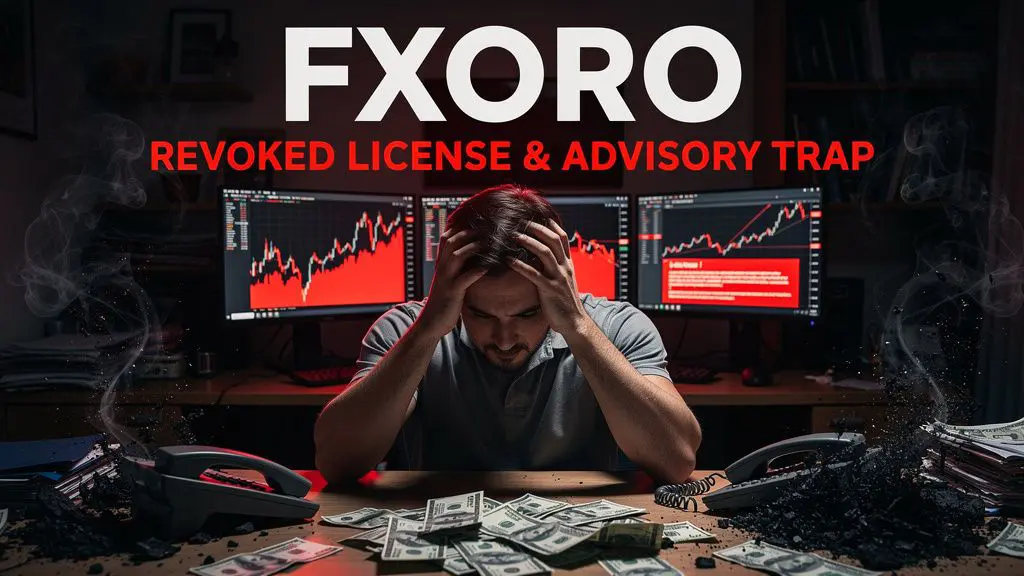
FXORO Under the Microscope: Revoked Licenses and The "Advisory" Trap
While FXORO maintains a presence in the global market with a seemingly respectable WikiFX score, a deeper investigation reveals a widening gap between its regulatory faade and the actual experiences of its clients. With an FCA license listed as "Revoked" and a surge of complaints alleging unauthorized trading advice and withdrawal blockages, African traders must exercise extreme caution. This report dissects the specific mechanisms—from bonus traps to aggressive account management—that have left investors worldwide fighting to recover their capital.
SDstar FX Exposed: Withdrawal Delays and Questionable Deposit Demands
Have you been witnessing long fund withdrawal delays by SDstar FX, a Comoros-based forex broker? Does the broker disallow you from withdrawing either principal or profit? Are you made to deposit every time you demand a withdrawal? Does the SDstar FX customer support team fail to address your queries? This has reportedly become the case of many traders here. In this SDstar FX review article, we have highlighted these complaints. Read on!
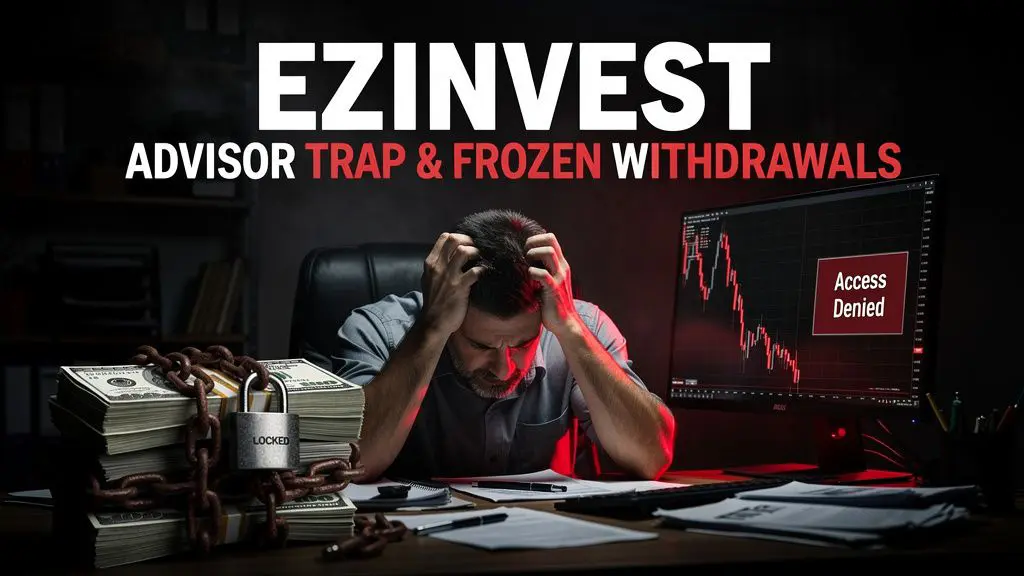
EZINVEST Exposure: When a "Personal Advisor" Becomes Your Portfolio’s Worst Enemy
Despite holding a license from the Cyprus Securities and Exchange Commission (CySEC), the broker EZINVEST has become the subject of an alarming 32 formal complaints received by WikiFX in just the last three months. Our editorial team has analyzed a disturbed pattern of behavior involving unauthorized trading, high-pressure demands for deposits, and a near-total blockade on withdrawals. This report dissects how a purportedly regulated entity is exhibiting behavior patterns typically associated with high-risk unregulated platforms.
Change Review: The Broker Faces Massive Complaints on KYC Goof-ups and Fund Blocks
Investors have called out Change, a China-based forex broker, for allegedly carrying out illegitimate forex trading activities. These include the poor handling of the Know Your Customer (KYC) process, fund blocks, and inappropriate customer support service. Traders have openly criticized the broker for these alleged wrongdoings. In this Change review article, we have highlighted trader comments. Take a look!
WikiFX Broker
Latest News
Libertex Investigation: When "Expert Advice" Leads to Total Ruin
 WikiFX
EZINVEST Exposure: When a "Personal Advisor" Becomes Your Portfolio’s Worst Enemy
WikiFXDeriv Review: Is This Popular Broker Legit or Risky?
WikiFXIs CICC Broker Safe? CICC Regulation Check & In-Depth Review
WikiFXA Collapse In Germany's Chemical Sector Is A Bad Omen
WikiFXChange Review: The Broker Faces Massive Complaints on KYC Goof-ups and Fund Blocks
WikiFXFINRA Imposes $150,000 Fine on Kingswood Capital Partners Over Supervisory Failures
WikiFXFXORO Under the Microscope: Revoked Licenses and The "Advisory" Trap
WikiFXXXLMARKETS Review: Regulatory Status and Trading Conditions
WikiFXWhy Smart People Still Get Scammed | The Danger of Hope and Greed
WikiFXRate Calc

