Malaysia’s Pension Fund (KWAP) Hit by eFishery Fraud Scandal with RM163 Million at Risk

Abstract:Malaysia’s public pension fund, the Retirement Fund (Incorporated), better known as KWAP, is now racing to recover RM163.4 million after its investment in Indonesian aquaculture startup eFishery collapsed in a fraud scandal that has shaken the region’s investment community.
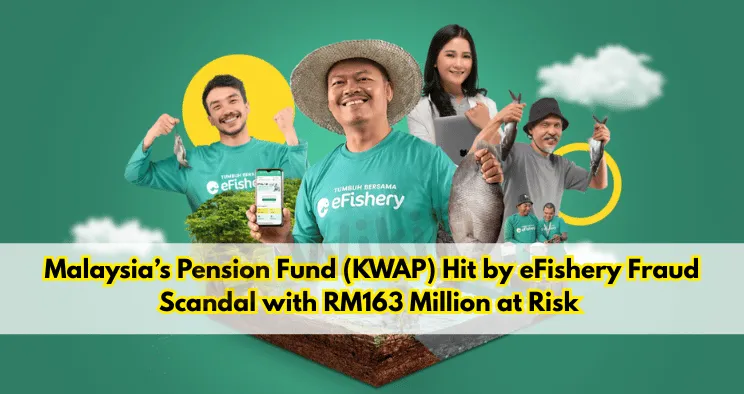
Malaysia‘s public pension fund, the Retirement Fund (Incorporated), better known as KWAP, is now racing to recover RM163.4 million after its investment in Indonesian aquaculture startup eFishery collapsed in a fraud scandal that has shaken the region’s investment community.
Once hailed as one of Indonesias brightest agricultural technology companies, eFishery built its reputation by providing digital solutions to fish and shrimp farmers across the country. The company was portrayed as a symbol of how technology could transform traditional farming, attracting millions of dollars from prominent investors who believed they were backing a future regional champion.
That confidence collapsed when allegations of widespread financial manipulation surfaced.
KWAP confirmed that it had invested RM163.4 million into eFishery and is now pursuing all available legal and financial measures to recover the funds following the company‘s downfall. The pension fund said the scandal involved deliberate financial misrepresentation and manipulation of company records, meaning the financial information presented to investors did not accurately reflect the company’s actual condition.
At the centre of the controversy is Gibran Huzaifah, eFisherys co founder and former chief executive. The Bandung District Court convicted him on April 29 this year for embezzlement and money laundering, sentencing him to nine years in prison.
The conviction marked a dramatic reversal for a figure who was once celebrated as one of Indonesias leading technology entrepreneurs. Under his leadership, eFishery was widely viewed as a high potential startup that could reshape aquaculture through innovation and digitalisation.
Instead, investors were left confronting the consequences of what investigators described as a deeply misleading financial picture.
KWAP held approximately 2.51 per cent of eFisherys total shares, making it a minority investor in the company. However, the Malaysian fund stressed that it was not alone in suffering losses. Several major international institutional investors were also affected, highlighting how extensive and convincing the alleged deception had been.
The scandal raises a difficult question for investors around the world: if experienced institutions with access to professional advisers can be misled, how can investment risks be better identified before it is too late?
Following the collapse, KWAP conducted a comprehensive internal review of its investment decision making process, post investment monitoring procedures and the information available to it during its involvement with eFishery. The fund said it has since introduced corrective measures to strengthen its governance framework and improve accountability.
KWAP is also tightening its approach to private market investments by increasing diversification across industries and regions, working more closely with experienced investment partners, strengthening monitoring procedures and improving oversight of significant developments within portfolio companies.
These changes reflect a recognition that traditional safeguards were not enough to detect the scale of the alleged financial manipulation at eFishery.
Despite the setback, KWAP assured contributors and pensioners that the funds overall financial health remains stable. Based on unaudited results for the financial year ending December 31, 2025, KWAP reported gross investment income of RM8.33 billion and managed assets worth RM195.26 billion.
Against the size of its overall portfolio, the RM163.4 million exposure represents a relatively small portion of its investments. However, the implications go beyond the financial loss. Questions surrounding investment oversight, due diligence and governance are likely to remain a key concern for stakeholders.
For Malaysians, the eFishery scandal is more than just a story about a failed startup investment. It is a reminder of the challenges faced by large institutions as they search for higher returns in an increasingly competitive global investment environment.
Government linked funds and institutional investors have been expanding into private technology companies, startups and emerging markets in search of diversification and long term growth. While these investments can generate significant returns, they also carry risks that are often harder to evaluate compared with traditional public market investments.
The collapse of eFishery sends a clear message: impressive growth stories cannot be accepted at face value. Behind every promising company are financial statements, governance structures and leadership decisions that require constant scrutiny.
For investors, whether institutional or individual, the lesson is simple. Growth potential may attract attention, but trust, transparency and strong governance determine whether that investment can truly stand the test of time.

WikiFX Broker
Latest News
Malaysia’s Pension Fund (KWAP) Hit by eFishery Fraud Scandal with RM163 Million at Risk
WikiFXEMAR MARKETS Review 2026: FSCA Regulation, Withdrawal Complaints, and Account Access Risks
WikiFXFacing a 20% Floating Loss: How Beginners Can Prevent a Margin Call
WikiFXInstaForex Review 2026: Is This Forex Broker Safe?
WikiFXSandStoneFX Review 2026: Is This Forex Broker Safe?
WikiFXFake Investment Scam and Human Trafficking Network Busted with 109 Arrested
WikiFXForex Traders With Day Jobs: The PERKESO Deadline You Cannot Ignore
WikiFXMaxpro365 Review 2026: Where Is My $23,000? We Investigated User Allegations About Missing Funds
WikiFXPolice Reveal Why Fewer Malaysian Indians Fall for Scams
WikiFXTrading the Asian Range Breakout: How to Spot Real Moves vs. Fakeouts
WikiFXRate Calc

