Quantower Review: Platform, Regulation, Login Guide
Abstract:Is Quantower safe or regulated? Learn its platform features, Forex access, login steps, and costs before trading. Read the full review now!
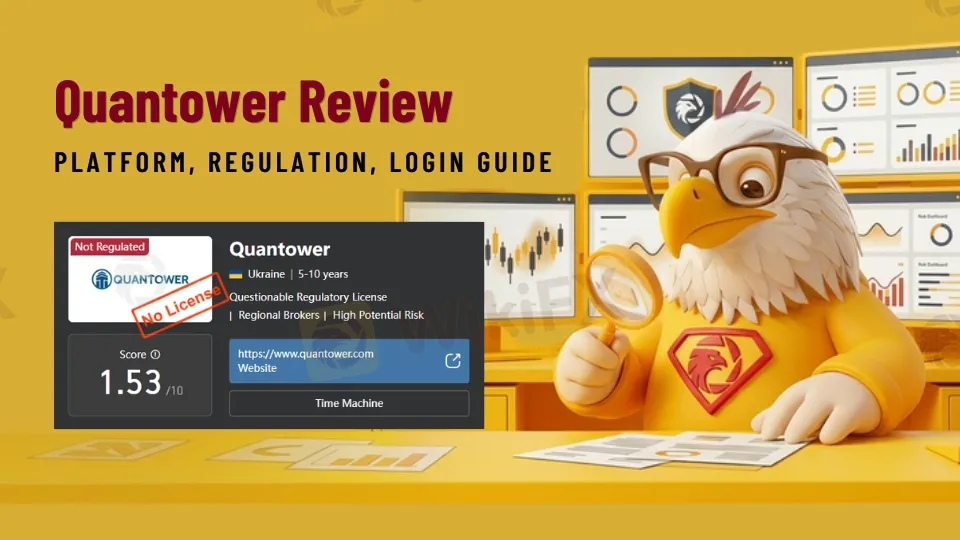
Understanding whether a trading service is a regulated broker or simply a trading platform is essential before committing funds. Many traders searching for Quantower broker, Quantower regulation, and Quantower Forex are often trying to determine if Quantower is safe and legitimate.
Quantower is best described as a multi-asset trading platform, not a brokerage. This distinction matters because regulatory oversight applies to brokers that hold funds and execute trades, not to software platforms. As a result, Quantower itself does not manage client funds or provide direct financial services. Instead, it acts as an interface that connects traders to external brokers.
This means that while Quantower provides powerful trading tools, the actual safety, regulation, and execution depend on the broker you choose to connect with. With that context in mind, it is important to evaluate Quantower based on its functionality, integrations, and usability rather than treating it as a standalone broker.
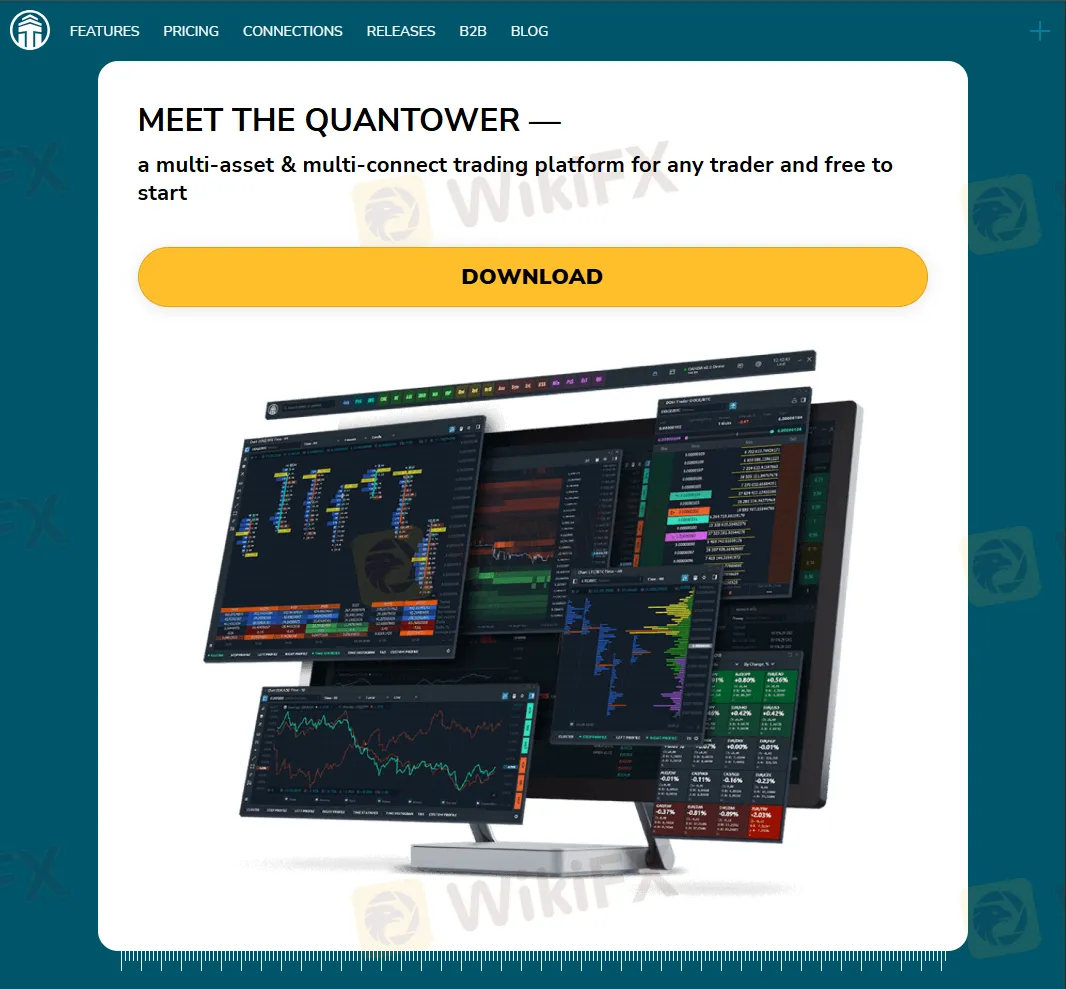
What Is Quantower and How Does the Quantower Trading Platform Work?
Quantower is a professional trading platform designed to give users access to multiple financial markets through a single interface. It does not execute trades independently but instead connects to brokers and liquidity providers.
In practice, Quantower works as a bridge between the trader and the broker, allowing users to:
- Analyze market data using advanced charting tools
- Execute trades through connected brokerage accounts
- Manage multiple accounts within one platform
Because of this structure, Quantower supports various asset classes such as Forex, stocks, futures, and cryptocurrencies, depending entirely on the broker integration.
Is Quantower a Regulated Broker or Only a Trading Platform Solution?
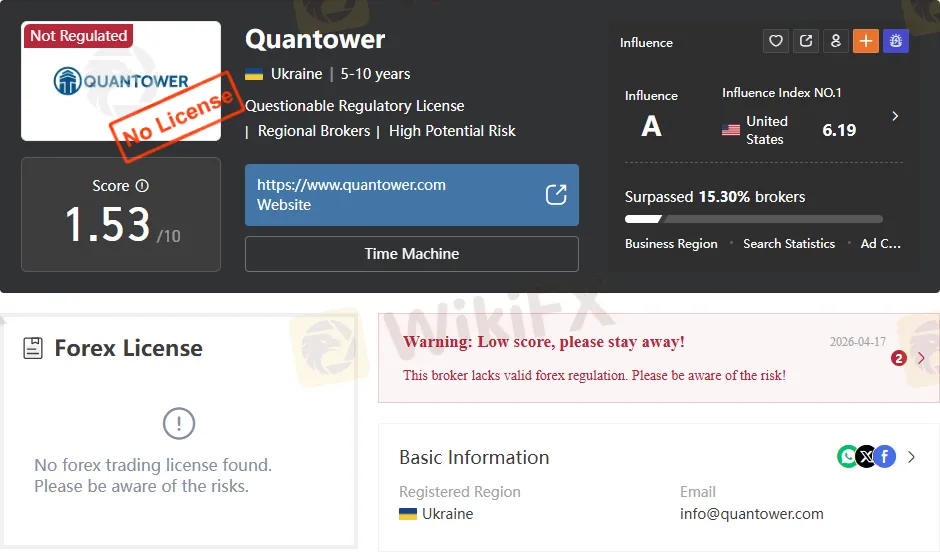
Quantower is not a regulated broker. It is a software platform provider, which means it does not fall under financial regulatory frameworks designed for brokerage firms.
This distinction is critical:
- Brokers are regulated because they hold client funds and execute trades
- Platforms like Quantower simply facilitate trading access
As a result:
- Quantower does not custody funds
- It does not provide financial guarantees or investor protection
- Regulatory protection depends on the broker you use
Therefore, when evaluating Quantower regulation, the focus should shift toward the regulatory status of the connected broker, not the platform itself.
Is Quantower Safe to Use for Trading and Market Analysis?
Quantower can be considered technically safe as a trading platform, but financial safety depends on external factors. Since it does not handle funds directly, its role is limited to providing tools and infrastructure.
From a platform perspective, safety comes from:
- Stable and professional-grade trading environment
- Advanced analytical tools for informed decision-making
- No direct exposure to fund custody risks
However, the most important factor remains the broker. If the broker is unregulated or unreliable, then the overall trading experience becomes risky regardless of how strong the platform is.
Does Quantower Support Forex Trading or Connect to Forex Brokers?
Quantower supports Forex trading indirectly by connecting users to brokers that offer currency trading. It does not provide Forex services on its own.
Through integration, traders can:
- Access a wide range of currency pairs
- Execute trades via broker connections
- Use advanced tools for technical and order flow analysis
This setup allows flexibility, as traders are not limited to a single brokers ecosystem and can choose providers that best suit their trading strategies.
Which Brokers Are Compatible With Quantower Platform Integration?
One of Quantowers strengths is its multi-broker compatibility, enabling users to connect different trading accounts within a single interface. While the exact list of supported brokers may evolve, the platform is designed to integrate with:
- Forex and multi-asset brokers
- Futures trading providers
- Cryptocurrency exchanges
This flexibility allows traders to diversify and manage multiple portfolios efficiently. Instead of switching between platforms, users can centralize their trading activity within Quantower.
What Key Features and Tools Does Quantower Provide to Traders?
Quantower is particularly known for its advanced trading features, making it suitable for both experienced and professional traders. The platform emphasizes customization, analytics, and execution efficiency.
Key features include:
- Advanced charting with customizable indicators
- Order flow and depth-of-market (DOM) analysis
- Multi-asset trading capabilities
- Algorithmic trading support
- Risk management and performance tracking tools
These tools are especially valuable for traders who rely on data-driven strategies and detailed market insights.
How Do You Access Quantower Login and Set Up a Trading Account?
Accessing Quantower is straightforward, but it differs from traditional brokers because it does not provide standalone trading accounts.
To start using Quantower:
- Download and install the platform from its official source
- Connect to a supported broker
- Use broker-issued credentials to log in
- Configure your trading environment
There is no independent “Quantower account” for holding funds. All account access is tied to the broker you integrate with, reinforcing the platforms role as a trading interface rather than a service provider.
What Fees, Commissions, or Costs Are Involved When Using Quantower?
The cost of using Quantower depends on several components, and understanding this structure is important for traders evaluating overall expenses.
Costs may include:
- Platform fees: Some features may require a paid subscription
- Broker fees: Spreads, commissions, and overnight charges
- Market data fees: Paid access to certain exchanges or feeds
Because Quantower itself does not act as a broker, most trading-related costs come from the broker and data providers, not the platform alone.
Conclusion
Quantower is a feature-rich trading platform that offers flexibility, advanced tools, and multi-broker connectivity. However, it is essential to understand that it is not a broker and not regulated as one. This means that while the platform itself can enhance trading efficiency, the true measure of safety lies in the broker you choose to connect with.
For traders seeking a powerful interface with professional-grade analytics, Quantower is a strong option. However, pairing it with a reliable and regulated broker is crucial to ensure both performance and security.
In summary, Quantower is best viewed as a tool for trading—not a provider of trading services.


Read more
Is TradingPRO Safe? FCA Warning, Indonesia Blocklist Evidence, and 7 Checks Before You Deposit
This Trading Pro broker review checks the FCA warning, Indonesia blocklist evidence, licence claims, and what South Asian users should verify before depositing.
MT4 White Label Cost in 2026: What Brokers Must Budget Beyond the Platform Fee
The visible fee in an MT4 white label proposal is rarely the real cost of operating it. For an existing broker, the decision is not simply whether an MT4 white label platform is “cheap” or “expensive.” The real question is whether the commercial model remains viable after integration, support, data, client migration, compliance, and exit costs are included. That is why an MT4 white label cost review should be built as a 24- to 36-month operating case. It should compare three credible choices: 1. Keep the present MT4 setup and improve its weakest controls. 2. Replace the MT4 white label provider but retain the client proposition. 3. Migrate selected clients or products to another platform while running MT4 in parallel. This guide explains how to build that case without relying on headline prices or generic vendor claims.
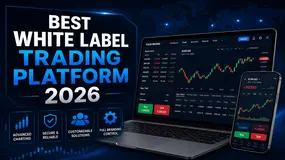
Best White Label Trading Platform 2026
The decision to switch white label providers or migrate to a modern white label trading platform is no longer a luxury for growth-minded brokers—it's a strategic necessity for survival in 2026. The convergence of technological stagnation, regulatory evolution, and shifting client expectations has created a perfect storm.
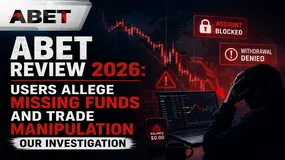
ABET Review 2026: Users Allege Missing Funds and Trade Manipulation - Our Investigation
ABET, a Bulgaria-based brokerage firm, faces severe allegations from users for the reportedly inefficient way it handles their funds. While some alleged illegitimate account blocks by the broker, others reported fund scams and trade manipulations. These ABET reviews have raised question marks over the broker’s legitimacy.
WikiFX Broker
Latest News
Winvest Review: What Traders Should Know Before Depositing
 WikiFX
Trade Nation Review: What Traders Should Know Before Depositing
WikiFXSingapore tightens monetary policy as rising oil prices rekindle inflation risk
WikiFXRate Calc

