Oil Surges as Qatar Warns of $150 Crude and 'Force Majeure' Across Gulf Exporters

Abstract:Qatar's Energy Minister has issued a stark warning that a prolonged conflict could push oil to $150 and force Gulf nations to suspend exports, triggering a sharp rally in crude prices and US Treasury yields.
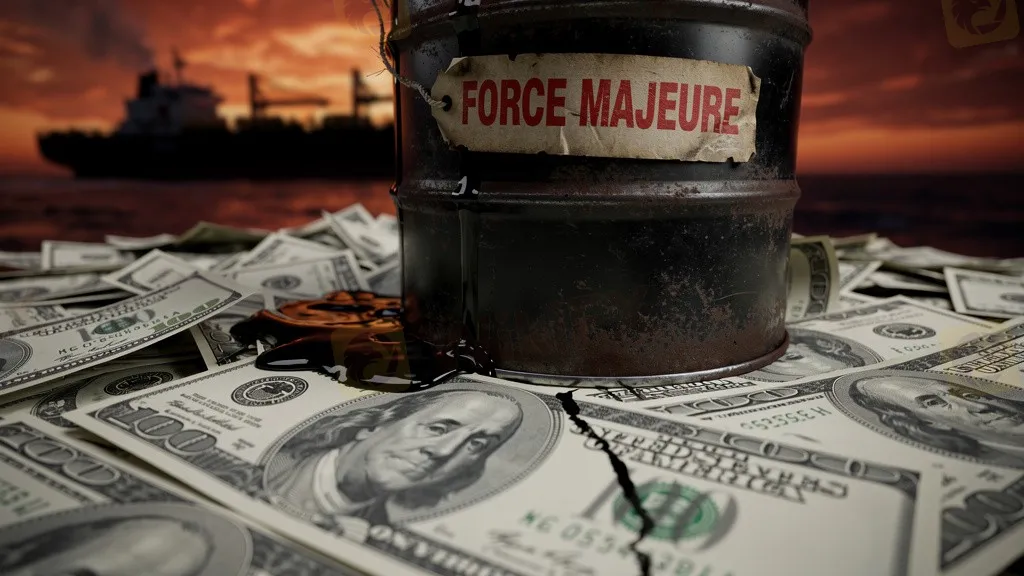
Global energy markets are bracing for a potential supply shock after Qatars Energy Minister, Saad al-Kaabi, issued a severe warning regarding the escalating conflict in the Middle East. Al-Kaabi stated that if the war continues for weeks, Gulf nations may be forced to declare 'force majeure' and suspend energy exports, a move that could propel oil prices to $150 per barrel.
Hormuz Strait Effectively Paralyzed
The warning comes as the strategic Strait of Hormuz faces a near-total paralysis of commercial shipping. Following recent drone attacks and military escalations involving Iran, shipping insurance premiums have skyrocketed, and major vessel owners are refusing to transit the waterway.
Al-Kaabi noted that even if the conflict were to cease immediately, restoring normal Liquefied Natural Gas (LNG) deliveries would take “weeks to months.” The disruption has already halted operations at key facilities, including the Ras Laffan industrial city, forcing QatarEnergy to delay massive expansion projects intended to boost capacity by 2027.
Market Reaction: Risk-Off Sentiment Takes Hold
- WTI Crude rallied over 2.5% to break the $83.50 level, erasing earlier losses driven by rumors of US intervention.
- Brent Crude climbed 0.7%, edging closer to $86.
- Safe Havens: Gold (XAU/USD) pushed higher to $2,100, while Silver surged 2.5%.
- Equities: US stock futures tumbled, with Nasdaq futures down 0.42% as fears of renewed inflation weighed on risk assets.
US Gasoline Prices Hit 2024 Highs
The geopolitical premium is already bleeding into the real economy. US retail gasoline prices have jumped to $3.32 per gallon, the highest level since September 2024. The misalignment of supply shocks with the US refining industry's seasonal switch to summer-grade fuel is creating a “double blow” to prices.
Analysts warn that rising energy costs could complicate the Federal Reserve's inflation fight and pose a significant political hurdle for the current US administration ahead of the mid-term elections.
Technicals
- WTI Crude: Breakout above key resistance at $83.50.
- Brent Crude: Testing upper liquidity near $86.
- Gold (XAU/USD): Cleared psychological barrier of $2,100.
WikiFX Broker
Latest News
TAG MARKETS Review 2026: Allegations of Withdrawal Denials & Trading Glitches
WikiFXWikiFX Wishes You a Happy International Women's Day
WikiFXRetiree’s Tabung Haji Savings Gone: Elderly Retiree Loses RM277,000 After One Whatsapp Message
WikiFXOil prices jump above $100 for first time in four years
WikiFXForex Brief: Dollar Dips Ahead of NFP; RBA Bets Lift AUD
WikiFXCrude Oil Rallies to $85 on Escalating Middle East Geopolitical Risks
WikiFXChina Signals Tolerance for Slower Growth with Revised 2026 Outlook
WikiFXOil Surges as Qatar Warns of $150 Crude and 'Force Majeure' Across Gulf Exporters
WikiFXJRJR Review: Safety, Regulation & Forex Trading Details
WikiFXHeroFx Review: Withdrawal Problems, Scam Alert & Risks
WikiFXRate Calc
