ECB Watch: Energy Shock Won't Derail Policy Path, Says Nomura

Abstract:Analysts at Nomura predict the European Central Bank will maintain its current policy trajectory, looking past potential energy price volatility stemming from Middle East instability.
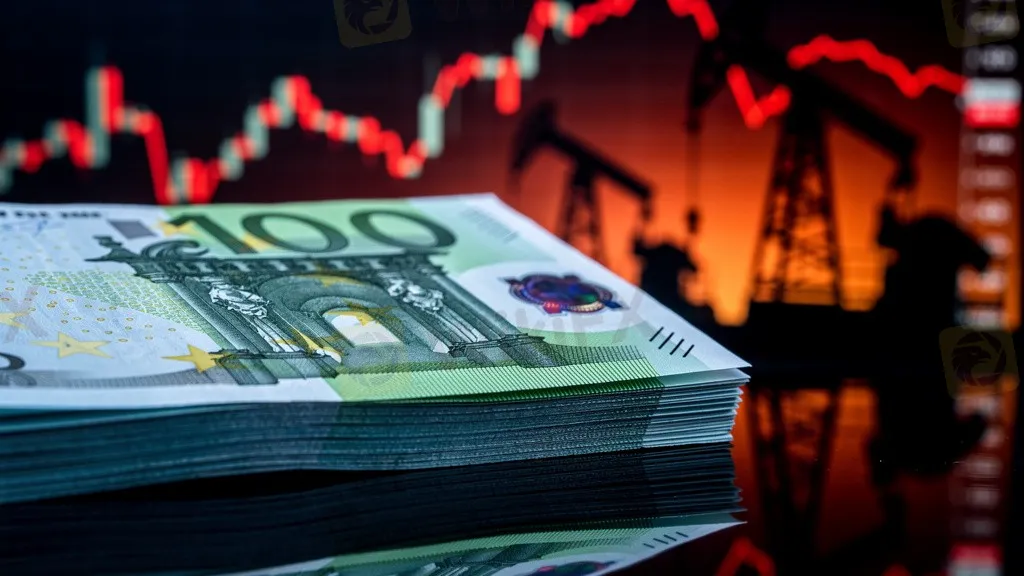
Despite the looming threat of an energy supply shock triggered by escalating conflict in the Middle East, the European Central Bank (ECB) is expected to hold its nerve.
According to a new note from Nomura, the central bank is likely to “look through” recent energy-driven market volatility. Analysts Andrzej Szczepaniak, Josie Anderson, George Buckley, and David Seif argue that the ECB's reaction function has evolved to avoid knee-jerk responses to supply-side shocks.
Focus on Long-Term Stability
- Primary Metric: Policymakers focused on end-horizon HICP forecasts.
- Market Noise: Transient oil and gas price spikes expected to be ignored.
- Policy Stance: Current rates viewed as sufficient if long-term expectations remain anchored.
The Nomura team suggests that policymakers will remain fixated on their end-horizon HICP (Harmonized Index of Consumer Prices) forecast rather than reacting to transient spikes in oil or gas prices.
Historically, central banks have faced a dilemma during geopolitical crises: raise rates to combat inflation caused by higher energy costs, or cut rates to support growth impacted by uncertainty. Nomura's assessment implies the ECB sees the current policy stance as sufficient, provided that long-term inflation expectations remain anchored.
WikiFX Broker
Latest News
Blueberry Markets Review: Examining the Latest User Complaints in 2026
WikiFXMSquare Review 2026: Is this Forex Broker Legit or a Scam?
WikiFXThe MSquare Review: Forged Blockchain Receipts, Frozen Accounts, and Severe Anomalies Exposed
WikiFXHow Trading Volume Tells You If a Price Move is Real
WikiFXWhy Judging Trades by Profit Teaches the Wrong Lesson
WikiFXEC Markets Reports Record $5.13 Trillion Q1 Volume in 2026
WikiFXWhen Scammers Forge a Minister's Signature: Malaysia's Fake Investment Letter Exposed
WikiFXMalaysia Takes Aim at Online Scams: New Laws and a Unified Task Force on the Horizon
WikiFXAI Powered, Nearly Invisible: How Crypto Scammers Are Evolving with NEW Tactics
WikiFXHEADWAY Rebate Service Review 2025: Is This Forex Broker Safe?
WikiFXRate Calc
