Japan’s ‘Truss Moment’: Bond Market Meltdown Forces BoJ Into a Corner

Abstract:Japan's bond market faces a historic meltdown as Prime Minister Takaichi's fiscal stimulus plans clash with market discipline, pushing yields to multi-decade highs and threatening a 'Truss-style' crisis.
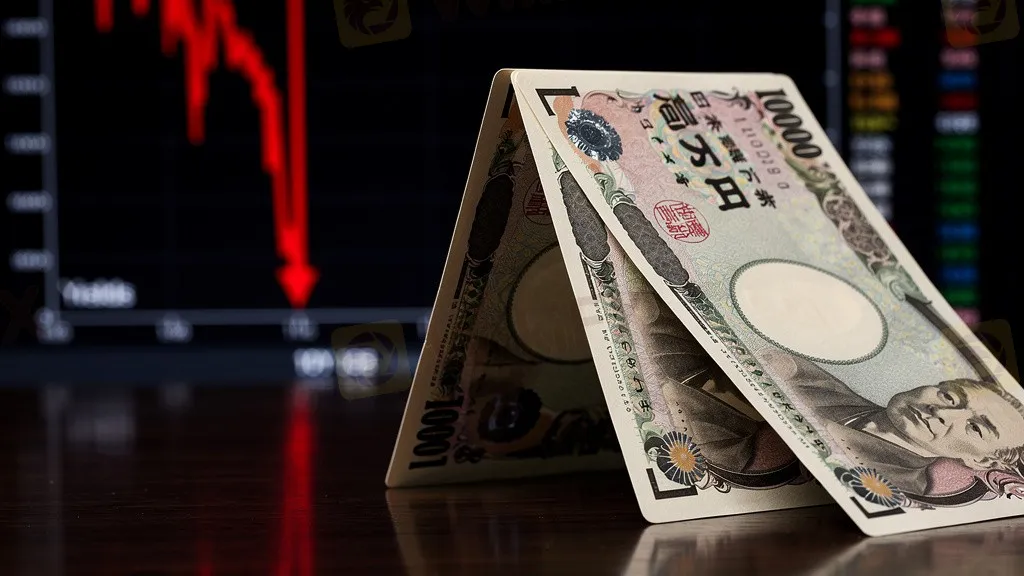
Global markets are bracing for contagion as the JGB (Japanese Government Bond) market experiences a historic sell-off, drawing uncomfortable parallels to the UK's 2022 “Truss turmoil.”
Following Prime Minister Sanae Takaichis announcement of a snap election and a pledge to pause the consumption tax—a move estimated to create a ¥5 trillion ($31.6 billion) fiscal hole—bond vigilantes have effectively gone on strike. The 10-year JGB yield has surged to a 27-year high of 2.30%, while super-long yields (30-year and 40-year) have spiked over 40 basis points in just two sessions.
The 'Logical Endgame' for the BoJ
The collapse in bond prices places the Bank of Japan (BoJ) in an impossible dilemma ahead of Fridays policy decision. With the yen languishing near the 160 danger zone against the dollar, Governor Kazuo Ueda faces a binary choice:
Goldman Sachs has described a return to Yield Curve Control (YCC) as the “logical endgame” if the sell-off deepens, but analysts warn this would trigger a catastrophic devaluation of the currency. “This is basically the market pricing in Japan's Liz Truss moment,” noted State Street strategist Masahiko Loo.
Global Spillover Risks
The chaos is not contained to Tokyo. A “reverse carry trade” fear is permeating global desks. Japanese institutional investors, traditionally the largest foreign holders of US Treasuries and French OATs, may be forced to repatriate funds to cover domestic losses or capture higher domestic yields.
Citigroup warns that risk-parity funds could constitute a forced selling wave of up to $130 billion in global bonds if volatility targets are breached. With the 30-year JGB yield now rivaling German Bunds, the structural flow of capital that has supported Western debt markets for decades is at risk of reversing.
WikiFX Broker
Latest News
Gold Smashes Records: Poland Adds 150 Tons Amid Sovereign Buying Spree
WikiFX"Sell America" Trade Intensifies as Transatlantic Rift Deepens
WikiFXJapan’s ‘Truss Moment’: Bond Market Meltdown Forces BoJ Into a Corner
WikiFXFed Independence in Focus: Bessent Attacks Powell Ahead of Chair Nomination
WikiFXFrom Scam Hub to Safe Bet? Cambodia Fights Back to Win Investors
WikiFXPBOC Holds LPR Steady as Banks Guard Margins
WikiFXSterling Wavers as UK Payrolls Plunge and Wage Growth Slows
WikiFXTrade War Escalates: Danish Fund Dumps Treasuries on Greenland Threats
WikiFXDollar Stumbles as 'Greenland Row' Sparks Tangible Capital Flight
WikiFXTrans-Atlantic Fracture: EU Weighs 'Capital Option' as Tariff War Looms
WikiFXRate Calc
