Tech War Intensifies: US Targets Nvidia China Exports with Tariffs Amid Global AI Chip Scarcity

Abstract:The global tech war has entered a new phase with the US imposing 25% tariffs on Nvidia chips destined for China, coinciding with a severe capacity crunch at TSMC that threatens AI hardware supply.
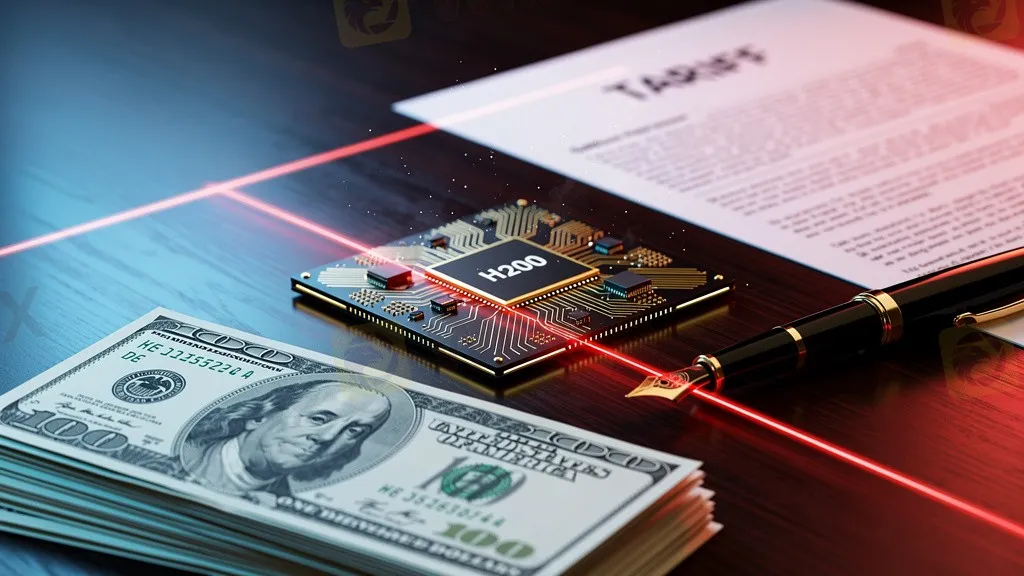
The battle for semiconductor supremacy has escalated, with the US administration launching a two-pronged attack on tech supply chains. New tariffs on Nvidia's exports to China are being rolled out just as the world's leading foundry, TSMC, signals a critical shortage of capacity, complicating the outlook for the global tech sector and currencies exposed to the chip cycle like the New Taiwan Dollar (TWD) and Korean Won (KRW).
The Tariff Wall: H200 Chips Targeted
President Trump has signed an executive order imposing a 25% tariff on specific high-performance chips, including Nvidia's H200, if re-exported to China.
- Strategic Decoupling: While the administration is creating a pathway for restricted sales (likely to maintain revenue for US firms), the tariffs and strict volume caps (exports to China cannot exceed 50% of US volume) act as a significant barrier.
- China's Response: Reports suggest Beijing is exploring counter-measures, including caps on the purchase of US chips, potentially accelerating China's drive for semiconductor self-sufficiency despite the performance gap.
The Supply Shock: TSMC Sold Out Until 2027
Compounding the geopolitical friction is a physical bottleneck. Taiwan Semiconductor Manufacturing Co. (TSMC) reports that its 3nm production lines are fully booked through 2027.
- Capital Expenditure Surge: In a sign of desperation to meet AI demand, TSMC has hiked its 2026 CapEx guidance to $52-$56 billion.
- Client Migration: The shortage is so acute that loyal TSMC clients, including the “Big Six” (Apple, Nvidia, AMD, etc.), are reportedly exploring alternative foundries like Samsung and Intel for overflow production.
Market Impact
- Equity Volatility: The combination of tariffs and supply constraints introduces headwinds for the Nasdaq and global semiconductor indices.
- Forex Flows: The TWD may find support from TSMC's pricing power and massive CapEx spending, but geopolitical risks remain a dampener. Conversely, the USD benefits from the “America First” trade policies, as the tariffs effectively re-shore capital or tax foreign consumption of US tech.
WikiFX Broker
Latest News
RM668K Gone Overnight: Factory Supervisor Trapped in Fake Investment Scam
WikiFXChina Delivers 5% Growth Target, Yet December Data Reveals Deepening Consumption and Property Cracks
WikiFXItaly’s Consob Blocks Five Unauthorized Investment Websites in New Enforcement Action
WikiFXIVY MARKETS Exposure: Traders Allege Illegitimate Fees, Blocked Withdrawal Orders & No Refunds
WikiFXTech War Intensifies: US Targets Nvidia China Exports with Tariffs Amid Global AI Chip Scarcity
WikiFXGold Hits Record Highs as Geopolitical Risks Mount: Iran Tensions and US-Europe 'Greenland' Spat Rattle Markets
WikiFXLondon Holds Firm as Global FX Hub, Handling 38% of Worldwide Trading
WikiFXFrom a Small Exchange to a Global Money-Laundering Case: The True Story of a Man Named “Vinnik”
WikiFXYear of the Horse(2026): Which Zodiac Signs Will Excel Financially?
WikiFXRate Calc
