US Dollar Falters as Tariff Blowback Crushes Consumer Sentiment

Abstract:US consumer sentiment has plunged to 53.3 as tariff-driven import costs erode household purchasing power, keeping the Greenback on the defensive as the Federal Reserve faces renewed stagflationary pressure.
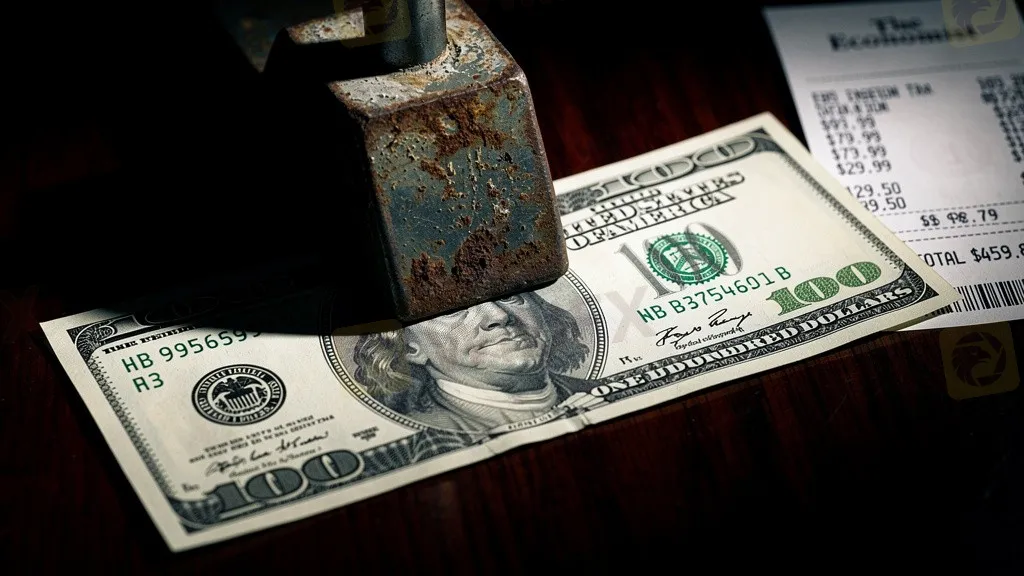
The US Dollar faced renewed selling pressure on Wednesday as fresh data highlighted the deepening economic toll of aggressive tariff policies. Inflationary headwinds are rapidly deteriorating US consumer confidence, complicating the Federal Reserve's policy outlook for 2026.
Consumer Confidence Collapses
Preliminary data from the University of Michigan indicates that US consumer sentiment for December 2025 plummeted to 53.3, a stark contraction from the final reading of 74.0 a year prior. The sharp decline is attributed almost exclusively to high prices and eroding real income.
Analysts point to the administration's tariff policies as a primary driver of this “inflation tax.” Reports indicate that 70.5% of tariff costs are being passed directly to consumers, with retailers absorbing less than 30%. This pass-through effect was evident during the recent holiday season, where prices for home goods and electronics surged between 34% and 38% year-over-year.
Implications for the Dollar and Fed
The deterioration in sentiment is creating a dilemma for the Federal Reserve. While inflation data remains elevated—cementing the case to hold rates unchanged in January—the erosion of demand suggests a looming recessionary threat.
- Stagflation Risk: The combination of falling confidence (growth risk) and high prices (inflation) is trapping the Fed.
- USD Reaction: The Greenback has softened as markets anticipate that the economic damage from tariffs may eventually force the Fed to cut rates to support growth, despite sticky inflation.
With the OECD forecasting continued pressure on US household consumption and global trade volumes, trade-sensitive currencies and safe-haven assets are likely to outperform the Dollar in the medium term.
WikiFX Broker
Latest News
Labuan Forex Scam Costs Investors RM104 Million | Authorities Pressed to Act
WikiFXThinkMarkets Review 2025: Safety, Features, and Reliability
WikiFXLMS Forex Broker Review (2026): Is LMS Legit or a Scam?
WikiFXRockwellHalal User Reputation: Looking at Real User Feedback and Common Complaints to Check Trust
WikiFXFXNovus Review: Traders Report Fund Scams & Illegitimate Tax Payment Demands on Withdrawals
WikiFXProfit Wipeout: Why AccuIndex Traders Are losing Their Hard-Earned Money
WikiFXInside the Elite Committee: Talk with LadyChiun
WikiFXUS Imposes 25% Tariff on AI Chips, Elevating Tech Trade Tensions
WikiFXIs DRW Legit or a Scam? 5 Key Questions Answered (2026)
WikiFXAre You Trading Against the Central Banks? Know Your Competition
WikiFXRate Calc
