Oil Surge: WTI Reclaims $60 as Middle East Tensions Override Venezuela Deadlock

Abstract:Oil prices rallied over 2% as rising tensions with Iran eclipsed a standoff between the White House and oil majors over investing in Venezuela.
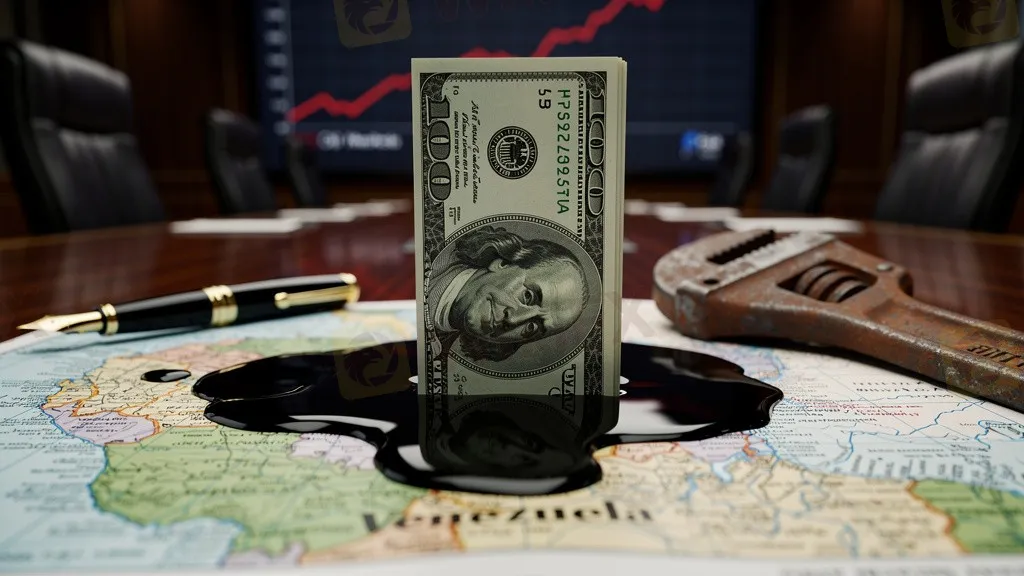
Crude oil prices staged a strong recovery on Tuesday, with West Texas Intermediate (WTI) surging 2.45% to trade near $60.80 per barrel. The rally was primarily driven by renewed geopolitical fears involving Iran, which overshadowed a complex diplomatic and commercial standoff regarding Venezuelan supply.
- Current Price: $60.80
- Daily Change: +2.45%
- US Investment Target: $100 billion
Geopolitical Risk Premium Returns
Traders are once again pricing in supply disruption risks stemming from the Middle East. Escalating tensions involving Iran have reignited fears of constraints on the Strait of Hormuz, a critical chokepoint for global energy flows. This “war premium” provided the immediate catalyst for WTI to break a four-day consolidation streak and hit two-month highs.
Exxon CEO 'Hardballs' Trump on Venezuela
While the Middle East provided the bullish spark, the supply-side narrative is complicated by developments in South America. The Trump administration has been pushing US oil giants to invest at least $100 billion to revitalize Venezuela's crippled oil sector following the seizure of assets from the Maduro regime.
However, a meeting at the White House last Friday revealed a stark divide between Washington and Big Oil. ExxonMobil CEO Darren Woods reportedly told President Trump directly that Venezuela “does not meet the conditions for investment.” Woods and other executives cited the need for massive infrastructure repair—costing tens of billions—and concrete legal reforms before risking capital.
Trumps reaction was characteristically blunt; he told reporters he “didn't like” Woods' attitude and suggested excluding Exxon from the Venezuelan market.
The Supply Outlook
For the Forex market, specifically USD/CAD, the friction suggests that Venezuelan oil will not flood the market anytime soon.
- Chevron remains the only major US player with a “firm commitment,” aiming to boost output by 50% over 18-24 months.
- Exxon and others remain on the sidelines, waiting for stability.
This delay in Venezuelan supply restoration supports the current bullish undertone in crude prices, as the market remains tighter than the White Houses ambitious production targets would suggest.
Technicals
- Momentum Signal: Break of four-day consolidation
- Recent High: Two-month highs
WikiFX Broker
Latest News
Forex 101: Welcome to the $7.5 Trillion Beast
WikiFXCommodities Focus: Gold Pulls Back & Silver targets Retail Traders
WikiFXFed Holds Firm: January Rate Cut Hopes Fade Despite Cooling CPI
WikiFXOil Surge: WTI Reclaims $60 as Middle East Tensions Override Venezuela Deadlock
WikiFXTopWealth Trading User Reviews: A Complete Look at Real Feedback and Warning Signs
WikiFXHFM Analysis Report
WikiFXHeadway Analysis Report
WikiFXThinkMarkets Regulation: Safe Trading or Risky Broker?
WikiFXehamarkets Review 2026: Regulation, Score and Reliability
WikiFX8xTrade Review 2025: Safety, Features, and Reliability
WikiFXRate Calc
