Fed

Abstract:A historic clash between the White House and the Federal Reserve has escalated as the DOJ issues a subpoena to Chair Powell, triggering a bipartisan backlash in the Senate that threatens to freeze future nominees.
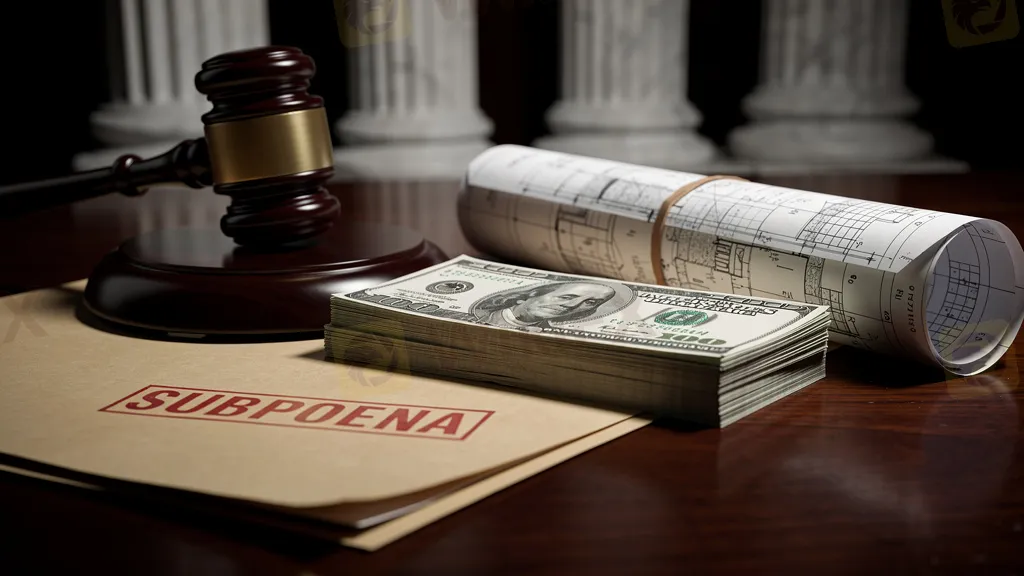
The institutional conflict between the Trump administration and the Federal Reserve has reached a flashpoint, threatening to destabilize the governance of the world's most critical central bank. Following revelations that the Department of Justice (DOJ) has subpoenaed Fed Chair Jerome Powell over building renovation testimony—a move widely interpreted as political coercion to force rate cuts—key Senate Republicans have vowed to paralyze the Presidents nominees.
Senate Republicans Revolt
The DOJ‘s aggressive maneuver, ostensibly investigating potential perjury regarding a $2.5 billion renovation of the Fed’s headquarters, has backfired on Capitol Hill. Republican Senators Thom Tillis and Lisa Murkowski publicly condemned the investigation as a “coercive tactic.”
Tillis, a member of the powerful Senate Banking Committee, explicitly stated he would block all Fed nominees until the legal threat against Powell is resolved. With Democrats already opposed to Trump's picks, this defection creates a potential deadlock, making it mathematically impossible to confirm a successor.
Political Pressure vs. Monetary Policy
Market analysts view the “renovation scandal” as a thin pretext for a broader policy war. Since his re-election, President Trump has openly criticized the Feds pace of easing, labeling Powell “Mr. Too Late.” Administrative pressure—ranging from the attempted firing of Governor Lisa Cook to the installation of loyalist Stephen Moore—correlates closely with periods where the Fed held rates steady.
Bank of Canada Governor Tiff Macklem publicly rallied behind Powell, calling central bank independence “sacrosanct.” This international solidarity underscores fears that the politization of the Fed could erode the US Dollar's standing as a neutral reserve asset.
Key Market Data & Implications
WikiFX Broker
Latest News
Fed
WikiFXGeopolitical Risk Returns: Iran Threatens 'Unforgettable Lesson' as Tensions Mount
WikiFXTrioMarkets Launches TrioFunded as Brokers Continue to Expand Into Prop Trading
WikiFXWar Risk Premium Explosions: Gold Hits
WikiFXFCA Warns on Complex ETP Sales Practices
WikiFXOne Message, RM600K Gone: WhatsApp Investment Scam Exposed
WikiFXA Complete 2026 Review: Is RockwellHalal Legit or a Scam to Stay Away From?
WikiFXA major development in Trump's Fed feud is set to happen next week in the Supreme Court
WikiFXForex 101: Welcome to the $7.5 Trillion Beast
WikiFXCommodities Focus: Gold Pulls Back & Silver targets Retail Traders
WikiFXRate Calc

