How to Trade Without Getting Wrecked: Spreads, Leverage, and Hidden Costs

Abstract:Let’s keep it real for a minute. Most of you deposit hard-earned money—whether it is Naira, Shillings, or Rand—into a trading account, click "Buy," and immediately see a negative number in red. You panic. You think the broker is stealing from you. Well, sometimes they are, but usually, it is just the cost of doing business that nobody explained to you. If you want to survive the forex markets, you need to understand the mechanics under the hood. Stop guessing. Let’s break down the math so you can actually keep your profits.
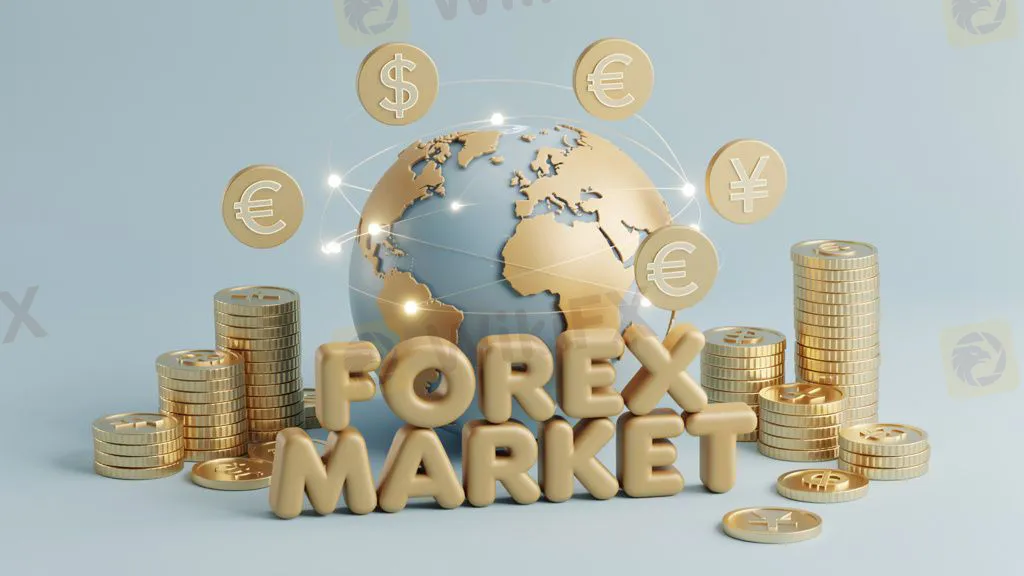
Lets keep it real for a minute. Most of you deposit hard-earned money—whether it is Naira, Shillings, or Rand—into a trading account, click “Buy,” and immediately see a negative number in red.
You panic. You think the broker is stealing from you.
Well, sometimes they are, but usually, it is just the cost of doing business that nobody explained to you. If you want to survive the forex markets, you need to understand the mechanics under the hood. Stop guessing. Lets break down the math so you can actually keep your profits.
The Price Tag: Quotes and Pips
When you see EURUSD at 1.0850, that isn't just a random number. It is the price tag. It means 1 Euro costs 1.0850 US Dollars.
Now, look at the last digit. If the price moves from 1.0850 to 1.0851, that is a Pip.
For a newbie, a pip looks tiny. But in this game, pips are how we keep score. If you are trading a standard lot (more on that in a second), that tiny one-pip move is worth $10. If the market moves 50 pips against you, you just lost $500. That is rent money gone in an hour. Respect the pip.
The Silent Killer: Understanding the Spread
Here is why you start your trade in the red.
Every currency pair has two prices:
- Bid (Buy price)
- Ask (Sell price)
The difference between them is the Spread. Think of it like the Bureau de Change operator or the unexpected fees at the bank. If you buy dollars from the guy on the street, he sells to you at a high rate. If you try to sell those same dollars back to him five seconds later, he buys them back at a lower rate. He keeps the difference.
In forex, your broker is that guy.
If the spread is 2 pips, the market has to move 2 pips in your favor just for you to break even. If you are scalping (taking quick trades), high spreads will eat you alive.
Coach K‘s Audit: This is where you need to be careful. Some brokers widen their spreads when major news hits to trigger your stop loss. Don't be a victim. Before you commit your capital, check the broker’s regulatory status and spread history on WikiFX. If the app shows they have a history of complaint regarding slippage or manipulation, take your money elsewhere.
Size Matters: Lots and Leverage
This is where 90% of beginners blow their accounts. They get greedy.
- Standard Lot (1.00): You are controlling 100,000 units of currency.
- Mini Lot (0.10): You control 10,000 units.
- Micro Lot (0.01): You control 1,000 units.
“But Coach, I only have $100 in my account. How can I control 100,000 units?”
Enter Leverage.
Leverage is a loan from your broker. If you have 1:100 leverage, your $100 acts like $10,000. It sounds amazing, right? You can make massive gains with small money.
But here is the trap: Leverage works both ways. If you are highly leveraged, a small move against you will trigger a “Margin Call.” This is when the broker forcibly closes your trades because you don't have enough cash (Margin) left to cover the potential losses.
Treat leverage like fire. It can cook your food, or it can burn your house down. If you are new, stick to 0.01 lots until you prove you can be profitable.
Is High Leverage a Scam?
It's not a scam, but it is dangerous.
High leverage usually tempts people who want to get rich quick. If you have a $500 account and you open a Standard Lot (1.00), a 50-pip move wipes you out completely.
Calculated risk is the name of the game. Always calculate your risk per trade. If you are risking more than 2% of your account on a single trade, you aren't trading—you are gambling.
Mastering Your Entry: Order Types
Stop entering trades blindly. You have tools to control how you enter the market.
1. Market Order
This is the “I want it NOW” button. You buy or sell at the current available price. You use this when the market is moving fast and you just need to get in. The downside? You might get a worse price than you expected (slippage).
2. Limit Order
This is for the patient trader. You tell the market, “I will only buy if the price drops to 1.0800.” You set it and wait. Its like waiting for a discount sale. This is smart because you get a better price and a tighter stop loss.
3. Stop Order
This is usually used for breakouts. You say, “If the price breaks above this resistance level, buy me in.” You are betting the momentum will continue.
The Most Important Order: Stop Loss
If you take nothing else from this reading, take this: Never trade without a Stop Loss.
A Stop Loss is your insurance policy. It tells the broker, “If the price hits this level, get me out immediately.” It prevents a bad day from becoming a bankrupt life.
We see it all the time on the WikiFX forums—traders crying because they refused to use a stop loss, hoping the market would turn around. Then a news event hits, the market spikes, and their balance hits zero. Don't let your ego drain your wallet.
The Bottom Line
Trading isn't just about reading charts; it's about understanding the costs.
- Watch the Spread (cost to open).
- Respect Leverage (don't over-borrow).
- Use Limit Orders to get better prices.
- Always use a Stop Loss.
Refine your strategy, keep your lot sizes small, and treat this like a business, not a casino.
Disclaimer: This article is for educational purposes only and does not constitute financial advice. Trading involves high risk and you can lose your entire capital. Always do your own research.
Read more
SGFX Regulation Uncovered: A Complete Guide to Its Licenses and Company Status
Checking if a broker is properly regulated is the most important thing you can do to protect your trading capital. Before investing in a trading account, you need to research the broker carefully. This is not just a good idea - it's absolutely necessary. This guide looks at SGFX, also called Spectra Global, which is a new company in a busy forex trading market. We need to look closely at what it claims about its regulation. While SGFX does have a license from an offshore location, our research has found some serious warning signs that potential traders need to know about. This article gives you a straightforward, fact-based look at SGFX's licenses, company structure, and risks, so you can make a smart decision. Checking things yourself is important, and websites like WikiFX are helpful tools for traders to research a broker's background and regulatory status before investing.
HW.SITE Analysis Report
HW.SITE presents a mixed picture that demands careful consideration from potential traders, earning a modest 5.2 out of 10 rating based on extensive user feedback. Analysis of 228 trader reviews reveals significant polarization in user experiences, with 40.8% of reviews being negative and nearly equal numbers of positive and negative sentiments overall. The broker demonstrates several noteworthy strengths that attract traders, including a generally good reputation for security, efficient deposit and withdrawal systems, and a user-friendly trading interface that caters to both novice and experienced traders. These positive aspects have contributed to a solid base of satisfied clients who praise the platform's fundamental operations. However, serious concerns have emerged that cannot be ignored. The most pressing issues include misleading marketing practices that may set unrealistic expectations, documented withdrawal complications that affect some users, and recurring questions about
ULTIMAMARKETS Analysis Report
ULTIMAMARKETS presents a mixed picture that requires careful consideration before committing your trading capital. With an overall rating of 5.8 out of 10 based on 162 analyzed reviews, this broker shows both promising features and concerning red flags that traders should weigh carefully. The broker's strongest attributes include responsive customer support services and efficient deposit/withdrawal processes for most users. Its established reputation and security measures have earned positive feedback from a majority of traders, with 93 out of 162 reviews expressing satisfaction with the platform's performance. However, several serious concerns emerge from the review analysis. Fund safety issues have been reported by multiple traders, and while withdrawals are generally smooth, some users have encountered significant problems accessing their funds. Read on for a full report.
ZFX Legitimacy Check (Addressing Fears: Is This a Fake Broker or a Legitimate Trading Partner?)
When you search for a broker like ZFX, the main question you want answered is simple: "Is ZFX legit?" You've probably found mixed information—some people praise their services, while others warn about possible scams. This analysis aims to cut through the confusion and give you a clear, fact-based answer. The truth isn't simple. ZFX works under a parent company called Zeal Group, which has an important license from a top regulator. However, the protection you get as a trader isn't the same for everyone. It depends completely on where you live and which legal company you sign up with. This important difference between strong regulation versus offshore flexibility is the main issue you need to understand. This article takes a deep look at this complexity, helps you tell real facts from dangerous lies, and gives you the power to make a safe, smart decision for yourself.
WikiFX Broker
Latest News
Bull Waves Regulation Uncovered: A Deep Look into Their FSA License and Safety
WikiFXOPEC+ Stands Pat: Output Steady Amidst Geopolitical Storm
WikiFXXTRADE Broker Analysis: Understanding XTRADE Regulation & Verified XTRADE Review
WikiFXOil Markets on Edge: OPEC+ Holds Firm Amid Venezuelan Turmoil
WikiFXGeopolitical Shock: Trump's Venezuela Raid Sparks Oil Volatility & Impeachment Threats
WikiFXOne Click, RM1 Million Gone: Penang Retiree’s Social Media Scam Nightmare
WikiFXFed Watch: Paulson See 'Bending' Jobs Market; Yellen Warns of Debt Spirals
WikiFXGlobal Crypto Launch Tax Network to 48 Nations
WikiFXSpanish Regulator Raises Concerns Over Unlicensed Trading Platforms and Messaging-Based Apps
WikiFXOneRoyal Review: A Complete Look at How This Broker Performs
WikiFXRate Calc

