Is India-Based Groww an Investment Scam? 5 Truths to Know
Abstract:Groww is an India-based broker that is gaining popularity rapidly in the country. You will often see its ads on YouTube and other social media platforms. This broker is promoting itself aggressively. But before you invest with this broker, here are 5 red flags you should know.
Groww is an India-based broker that is gaining popularity rapidly in the country. You will often see its ads on YouTube and other social media platforms. This broker is promoting itself aggressively. But before you invest with this broker, here are 5 red flags you should know.
1. Limited investment options- Groww offers a simplified investment platform, but one of its key limitations is the lack of access to certain market segments. Users cannot trade in commodities or currencies, which restricts portfolio diversification for more advanced or active traders. This limited range of investment products may not meet the needs of those looking for a broader exposure to financial markets beyond equities and mutual funds.
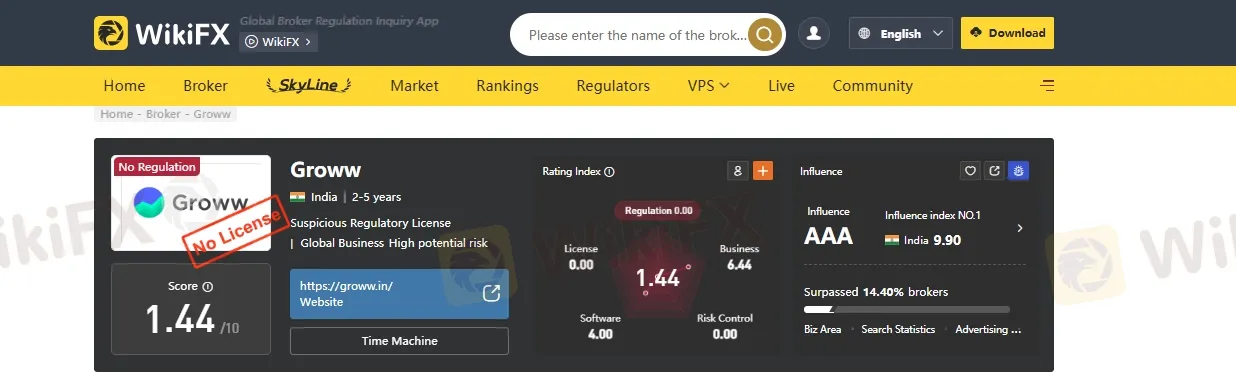
2. Low score - On WikiFX, a website that checks the trustworthiness of forex and crypto brokers, Groww got a very low score of 1.44 out of 10. This shows there are concerns about how well the company is regulated, how transparent it is, and how well it protects its users. A low score usually means the broker doesnt have strong licenses and may not follow important rules for safety and fairness.
3. Lack of Real-Time Customer Support- One of the major drawbacks of Groww is the absence of 24/7 live customer support. Unlike traditional brokers or more advanced platforms, Groww does not provide immediate assistance through phone or live chat. Instead, users must rely on email or ticket-based systems, which often lead to delayed responses. This can be particularly frustrating during time-sensitive situations, such as trading errors, technical glitches, or failed transactions. For investors who need quick resolutions—especially during market hours—this lack of real-time support can result in missed opportunities or financial losses. The limited support infrastructure may also leave new investors feeling uncertain or unsupported when navigating complex investment issues.
4. Lacks Physical branch assistance - Groww operates entirely as an online platform and does not provide any physical branch support. This can be a drawback for users who prefer in-person assistance or need help resolving complex issues. Without branch offices, all customer service is handled digitally, which may lead to delays or limited support for urgent concerns.
5. Lack of Margin Trading facility- Groww does not offer a margin trading facility, which can be a limitation for active traders looking to leverage their positions. Without margin trading, users must invest using only the funds available in their account, reducing flexibility for those who wish to take larger positions or execute short-term strategies. This makes Groww less suitable for high-frequency or leveraged trading.
How to Protect Yourself from Scam Brokers
1. Verify the License of Brokers
2. Avoid Unregulated Brokers
3. Cross-Check Contact Information
4. Do not Fall for “Too Good to Be True” Promises
5. Test with a Demo Account First
6. Read Online Reviews
7. Do Your Research
8. Do not Rush
9. Report Suspicious Activity
10. Keep Records
Join WikiFX Community
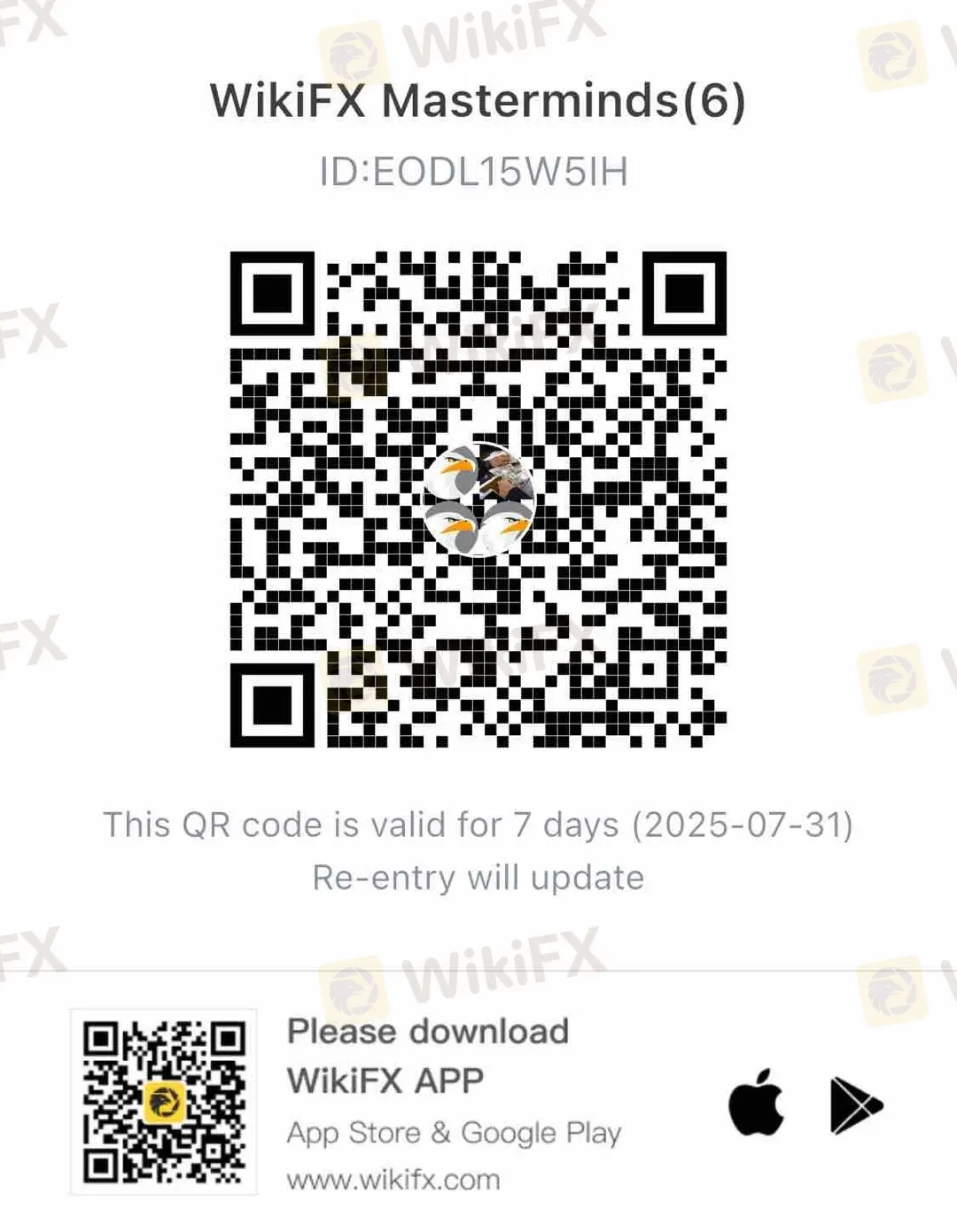
Be attentive and stay updated with WikiFX. You can get all the information you need to know about the Forex market, fraud alerts, and the latest news related to Forex trading — all in one place. Join the WikiFX Community by scanning the QR code at the bottom.
Steps to Join
1. Scan the QR code below
2. Download the WikiFX Pro app
3. After installing, tap the Scan icon at the top right corner
4. Scan the code again to complete the process
5. You have joined!

Read more
Is TradingPRO Safe? FCA Warning, Indonesia Blocklist Evidence, and 7 Checks Before You Deposit
This Trading Pro broker review checks the FCA warning, Indonesia blocklist evidence, licence claims, and what South Asian users should verify before depositing.
MT4 White Label Cost in 2026: What Brokers Must Budget Beyond the Platform Fee
The visible fee in an MT4 white label proposal is rarely the real cost of operating it. For an existing broker, the decision is not simply whether an MT4 white label platform is “cheap” or “expensive.” The real question is whether the commercial model remains viable after integration, support, data, client migration, compliance, and exit costs are included. That is why an MT4 white label cost review should be built as a 24- to 36-month operating case. It should compare three credible choices: 1. Keep the present MT4 setup and improve its weakest controls. 2. Replace the MT4 white label provider but retain the client proposition. 3. Migrate selected clients or products to another platform while running MT4 in parallel. This guide explains how to build that case without relying on headline prices or generic vendor claims.

The Rise of Deepfake Investment Scams: ASIC Shares Key Warning Signs
Artificial Intelligence (AI) has grown remarkably recently. However, it has also amplified the scope for financial fraud. One such is the rapid use of deepfake technology involving AI-generated videos, images and audio clips imitating real people. Fraudsters are leveraging these technologies to impersonate financial advisers, celebrities, business leaders and government officials to lure victims into fake investment schemes. Understanding the emerging implications, the Australian Securities and Investments Commission (ASIC) has cautioned investors of investment avenues promoted through convincing AI-generated content. Seemingly authentic, deepfakes are designed to manipulate trust and make people transfer funds before authenticating the investment’s legitimacy.
Best White Label Trading Platform 2026
The decision to switch white label providers or migrate to a modern white label trading platform is no longer a luxury for growth-minded brokers—it's a strategic necessity for survival in 2026. The convergence of technological stagnation, regulatory evolution, and shifting client expectations has created a perfect storm.
WikiFX Broker
Latest News
Order Execution: What Discretionary Latitude Means for Your Trades
 WikiFX
Scammed Twice: Recovery Fraud Takes Advantages of Victims Again
WikiFXOver RM102 Million Crypto Seized in Romance Scam Crackdown
WikiFXWhy Prices Rush Back to Fill Gaps: Liquidity Voids Explained
WikiFX"High Inspirations" Mastermind Disappears as $25 Billion Investment Scheme Collapses
WikiFXOROKU EDGE Review: Malaysia's SCM Has Blacklisted This Broker , Here's What Traders Are Reporting
WikiFXRupee Hits Two-Month Low as Oil Surges Past $95
WikiFXWhy RBI Sold $6.1 Billion in Forex Markets in May
WikiFXCNMV Red-Flags 9 Unauthorised Investment Platforms
WikiFXFXTF Broker: Withdrawal Complaints and Romance Scam Reports , What Traders Should Know
WikiFXRate Calc

