Japan Has Set A Record For Government Intervention To Support The Yen
Abstract:After the yen fell to 151.94 per dollar on October 21, a 32-year low, the government decided to intervene. Japan spent a record 5.62 trillion yen ($42.5 billion) that day. Then, on October 24, a second intervention was initiated, with 730 billion yen invested to stop the currency's further drop.
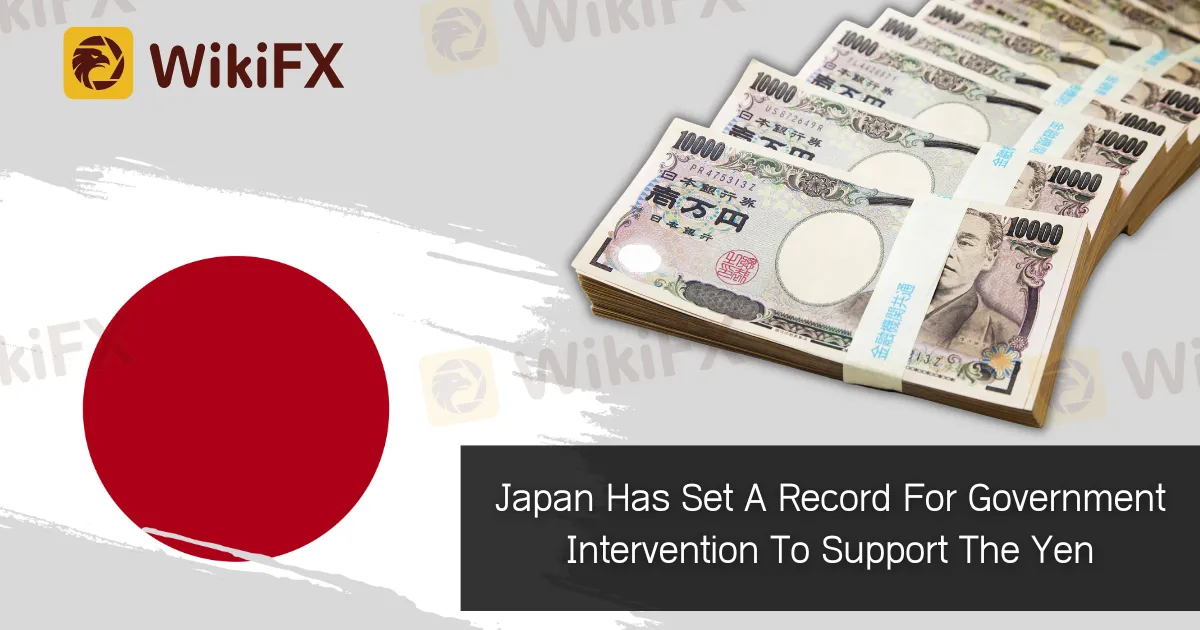
According to the Ministry of Finance Japan, the Japanese government participated in the foreign currency market in October last year, selling 6.35 trillion yen ($48 billion) in US dollars, establishing a new record for intervention.
The government decided to intervene after the yen plummeted to 151.94 per dollar on Oct. 21, a 32-year low. On that day, Japan spent a record 5.62 trillion yen ($42.5 billion). Then, on October 24, a second intervention was launched, investing 730 billion yen to halt the currency's decline any further.
Japan's based regulated Forex broker FXTF

However, this is not the first time Japan has interfered in the yen against the US dollar in the last 24 years. Japan utilized 2.84 trillion yen on September 22 to stem the currency's rapid drop.
In the past, Japan seldom took action to acquire yen and sell dollars. The dollar has now retreated and is trading at 130. However, Japan is a resource-poor nation, and this intervention has increased the local cost of living. It also expressed worry over the yen's appreciation, which might impede the export of Japanese automobiles and electronics.
“The actions were intended at curbing excessive currency fluctuations caused by speculative trading, and they had some consequences,” stated Finance Minister Shunichi Suzuki. Furthermore, the administration said that it would continue to watch the market situation. Currency fluctuations that are stable and reflect economic fundamentals are crucial, and future interventions cannot be ruled out.
Install the WikiFX App on your smartphone to keep up to speed on current events.
Download link: https://www.wikifx.com/en/download.html?source=fma3


Read more

INGOT Review 2026: An In-depth Investigation into Trading Complaints & Regulation Status
Did INGOT close your account and seize the accumulated funds in it? Did the broker prevent you from withdrawing your funds, including your deposited capital? Faced a capital loss due to frequent slippage in your trade order execution? You are not alone! Many traders have expressed their frustration over these alleged trading incidents. In this INGOT review article, we have examined these allegations and share our views on the broker’s regulatory oversight.

OW Markets Review 2026: Withdrawal Complaints Spark Trust Concerns
The reputation of OW Markets, a Seychelles-based forex brokerage entity, seems to have taken a hit amid a growing number of user complaints recently. They complained about slow withdrawals, poor response from customer support officials, and profit deletions. Enraged by these alleged trading activities, traders have given their sharp reactions on broker review platforms. If you are one of the affected traders or are planning to trade with it, this OW Markets review is meant just for you! Here, we will not only review the user complaints but also share its regulatory details. A comprehensive guide will help you make an informed financial decision.
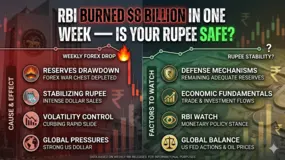
RBI Burned $8 Billion in One Week — Is Your Rupee Safe?
The rupee bounced to 95.20 but RBI's forex reserves took a brutal $8.1 billion hit in a single week — here is what every Indian investor needs to understand right now.
CMC MARKETS Analysis Report
CMC MARKETS presents a mixed picture for forex traders, earning a moderate overall rating of 6.4 out of 10 based on 228 reviews and a "Use with Caution" designation. The broker demonstrates notable strengths that have resonated with the majority of its client base, particularly its user-friendly interface that simplifies the trading experience, responsive customer support that addresses initial inquiries effectively, and a solid reputation for safety that provides some reassurance to traders. These positive attributes are reflected in the sentiment distribution, where 150 reviews were positive compared to just 47 negative ones, suggesting that many traders have had satisfactory experiences with the platform. However, the 20.6% negative rate cannot be ignored, as it highlights recurring concerns that potential clients should carefully consider.
WikiFX Broker
Latest News
Rupee Recovers on RBI Support and Softer Oil
 WikiFX
Alfa Capital Review 2026: Should You Trade with This Broker?
WikiFXCatching Forex Breakouts After a Triangle Volatility Squeeze
WikiFXDollar Slumps On Iran Peace Hopes
WikiFXFBS Review: Regulation Warning Around a Broker Facing Withdrawal and Slippage Complaints
WikiFXRoboForex Review: Regulation Warnings Hit This Broker as Withdrawal Complaints Mount
WikiFXWhy Some Currency Pairs Have Much Wider Spreads Than Others
WikiFXHow Bank Rates, Reserves, and Revaluations Actually Move Currency Prices
WikiFXRupee Gains as Dollar Retreats
WikiFXSilverlight securities Review 2025: Is This Forex Broker Safe?
WikiFXRate Calc

