Tesla needs to start acting more like Toyota and GM if it really wants to win the electric car race
Abstract:Elon Musk has huge aspirations for Tesla — like selling a staggering 20 million cars in 2030 (the equivalent output of Toyota and Volkswagen combined) and making the company worth trillions.
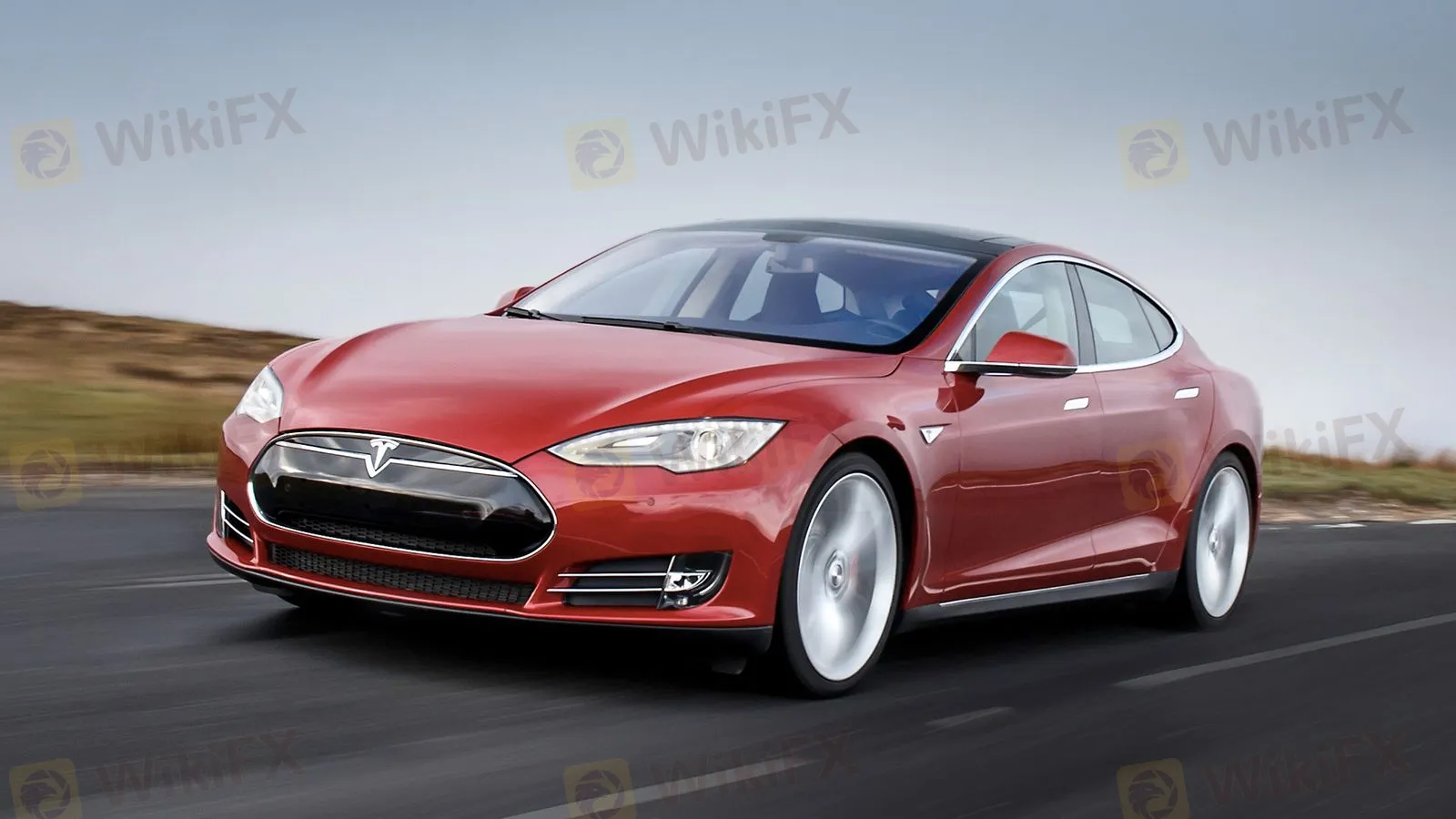
• Tesla is the world leader in electric vehicles, but it needs to diversify its lineup.
• If Elon Musk wants to be a top player like GM, Volkswagen, or Toyota, he needs to make cheaper cars.
• Musk has plans for a $25,000 car, but it's unclear where that project stands.
Elon Musk has huge aspirations for Tesla — like selling a staggering 20 million cars in 2030 (the equivalent output of Toyota and Volkswagen combined) and making the company worth trillions.
To remain a leader in the auto industry long term, though, Tesla will need to expand its skimpy lineup and start selling cheaper models, experts say.
The electric automaker has made massive strides with its current high-end, four-vehicle lineup. It's the top seller of battery-powered cars globally with 1.3 million units shipped last year (a 40% boost over 2021). The Model 3, Model Y, Model S, and Model X, which cost between $44,000 and $120,000, accounted for roughly 65% of EVs sold in the US in 2022.
But its skyrocketing growth has an expiration date if it can't give people more affordable, mass-market options, industry watchers say. And that makes perfect sense when one considers how the biggest automotive players do business; they sell a broad range of products to meet a spectrum of buyers.
Toyota has the $22,000 Corolla and the $100,000 Lexus LC, plus a whole lot in between. Volkswagen sells budget hatchbacks, but also Porsches, Audis, and Bentleys. General Motors makes Chevys and Cadillacs.
The gap at the low end of Tesla's lineup leaves it exposed to stiffening competition. China's BYD, the No.2 EV seller globally, is quickly gaining on Tesla's top spot. That's not surprising in the least, Michael Dunne, founder of the EV consultancy ZoZoGo, told Insider, especially when considering that BYD has an extensive portfolio while Tesla is solidly a luxury player.
“It's like asking, 'will Toyota surpass Mercedes in overall sales?' Yeah, because Toyota has a full spectrum of vehicles that go from $20,000 to $80,000,” Dunne said. “And the lower the price point, the bigger the market of course.”
Mercedes-Benz sells around 2 million cars per year. Toyota sells 10 million.
As EV competition heats up and buyer interest grows, Tesla will need to release new offerings like trucks and cheaper cars to supplement its aging lineup, Sam Fiorani, vice president of global vehicle forecasting at AutoForecast Solutions, told Insider. The Model 3 and Model Y, by far Tesla's top sellers, went on sale in 2017 and 2020, respectively.
“It will take a few more years before the buyers of EVs expand enough that they need a range of products, and Tesla needs to be there when the market is ready,” he said, adding that Tesla can't be a top player or reach its lofty goals with just a few models.
Analysts at Bernstein recently said developing lower-cost models should be a priority for Tesla, especially given recent price cuts that signal slowing demand for its cars.
“Given our concerns about end state volume levels for Models 3 and Y, dictated by either price or luxury buyers' desire for differentiation, we believe it is increasingly imperative that TSLA offers additional (lower priced) models,” they said in a note to investors earlier in January.
Tesla has discussed plans for a $25,000 car, but it's unclear where that project stands today. The vehicle was supposed to arrive by 2023, but in early 2022 Musk said Tesla had too much on its plate to work on it. Then in November, Musk mentioned progress on a cheaper vehicle platform without specifying what the final product would be.
Musk's automaker has had trouble diversifying its lineup as it's poured resources into accelerating production of the Model 3 and Y. The Semi, a class-8 truck, launched in late 2022, three years behind schedule. Years after they were announced, the Roadster sports car and Cybertruck pickup are both nowhere to be found.


Read more
Why Is My Forex Withdrawal Still Pending? 7 Broker Excuses Traders Keep Hearing
Withdrawal delays are precisely the complaint we keep receiving on WikIFX, a veteran in the forex regulation inquiry space. While some users receive withdrawal access initially and find rejections on their applications later, some fail to receive a single approval. Some delays usually result from genuine compliance requirements that brokers need to adhere to. However, in many cases, traders have accused the broker of repeated excuses as part of its alleged strategy to deny a seamless fund release. A pending withdrawal cannot be an outright indicator of fraudulent activity. Financial institutions, including forex brokerage entities, need to abide by the anti-money laundering (AML) and Know Your Customer (KYC) regulations. However, as the monitoring process stretches beyond weeks or months, traders become frustrated and raise questions over the broker’s reliability.

exfor Review 2026: I’m Unable to Receive My Profits. We Investigated This Common User Allegation.
User complaints regarding profit withdrawals have become an increasingly discussed issue among some Exfor traders, including those in South Asia. Trading profits never come easy; they come by spending hours understanding the fundamental and technical factors and their impact on different markets such as forex. However, what matters is whether you are able to receive them. For exfor clients, according to their complaints, this problem is worse! While they claim profits on the dashboard, the same do not reach their trading accounts, resulting in many negative exfor reviews. In this article, we have examined user allegations concerning several issues, including this common profit withdrawal problem.

Can AI Really Improve Forex Trading? The Benefits, Risks and Hidden Limitations
We are living in the age of artificial intelligence, where everything including financial matters such as forex are rapidly influenced by this phenomenon. AI-powered tools are here to identify numerous trading opportunities and analyze thousands of data, all in seconds, becoming the preferred option for both retail and institutional traders. Regardless of its immense benefits, traders often question - Whether the AI can truly transform their forex trading experience or is it just like another technology offering scope for unrealistic expectations? While the AI can ensure faster trading and more informed decisions, it is never a sure shot way to profits. As a trader, you need to understand both the strengths and limitations of AI when it comes to generating real wealth.

Copy Trading Gone Wrong? The Mistakes That Could Wipe Out Your Entire Trading Account
We all love trading geniuses and their strategies that earn them profits season after season. And we also love following them to make our investment journey seamless. Copy trading is one such tactic that beginners employ to enter the forex market. What do most of them usually do? They pick an experienced investor from the list and let the platform replicate every trade automatically. The fact that experienced traders continually earn profits, the feeling of copying their trades remains intense. However, the uncertain forex landscape can bite you hard by simply copying trades and not focusing on technical analysis and the charts during the day. Beginners can have a set of preconceived notions that can potentially open the gate for losses. In this article, we have highlighted such mistakes traders should avoid.
WikiFX Broker
Latest News
Axim Trade Review: Withdrawal Alarms, Weak Regulation, and a Broker Risk Traders Cannot Ignore
 WikiFX
Tracking Institutional Footprints Before the Market Reverses
WikiFXHow Trailing Stops Protect Profits in Forex Day Trading
WikiFXYen Weighs Intervention Risks as Dollar Steadies
WikiFXHow Forex Scalping Targets Small Price Gap Movements
WikiFXFizmo Fx Markets Review 2026: Complaints, Withdrawals, and Risk Signals
WikiFXSEVEN STAR FX Review 2026: Unregulated Status, Complaints, and Key Risks
WikiFXCabana Capital Review 2026: Unregulated Warnings and Withdrawal Risks
WikiFXFortune Prime Global Review 2026: Should You Trade with This Broker?
WikiFXHong Kong SFC Requires Brokers to Strengthen Account Security Against Phishing Risks
WikiFXRate Calc

