WIKIFX REPORT: DUKASCOPY EXPANDS CRYPTO CFD SUITE WITH 405 NEW STOCKS
Abstract:Switzerland’s forex bank and broker, Dukascopy has just expanded its offering to include 405 new stock CFDs such as Harley-Davidson, Spotify, Dell, Puma and others from US, UK, Germany, France, Switzerland, Netherlands and Spain.
In a blog on its website, Dukascopy noted that the new offering was the result of a pent up interest in the trading of contracts-for- differences (CFD). It also expands the brokers total number of stocks and ETfs to 1046. Indeed, many other brokers have recently opted to diversify into multi-asset trading, namely expanding their CFDs portfolio.
The broker further states that the new release is primarily focused on servicing the existing trading needs of their client base. Traders, both new to the platform as well as those longer-tenured have both expressed a desire to trade from a multi-asset, single-margin account.
The decision to broaden its offering into CFDs should yield immediate benefits for Dukascopy, especially given the affinity of the instrument by clients and the maturation of the CFD market across the industry.
Often promoted as cheaper and better than trading in future markets, CFDs on ETFs have also become one of the popular investment vehicles for retail traders. The asset class typically tracks a stock market index and trades on an exchange so that it allows individuals to trade a basket of securities in a single transaction. It also creates the conditions for retail investors to trade the underlying asset with much better control of their exposure to risk margin.
During the last six years, the Switzerlands forex bank and broker substantially invested in diversifying its range of products. Besides its traditional core business, the trading activity, Dukascopy has developed issuance, custody and exchange infrastructure for cryptocurrencies as well as retail mobile banking services including instant payments and card operations.
Meanwhile, Dukascopy has been taking steps towards strengthening its cryptocurrency offering, including allowing clients to deposit and withdraw funds in digital coins, as well as enabling free internal crypto-transfers between users of mobile banking. In 2020, it has become the first regulated bank to launch its own cryptocurrency – Dukascoin.
Most recently, Dukascopy users have gained access to ten new crypto instruments, including many within the realm of decentralized finance (DeFi). On top of that, the FX broker has significantly improved its overnights rates.
The bank and securities houses of Dukascopy Group are regulated in Switzerland, Latvia and Japan. The group offers multi-products (FX, bullion, CFD, binary options), desktop and mobile trading platforms together with a range of other financial services. This includes current accounts, guarantees, classical banking payments, instant payments via smartphones, and payment cards.

Read more
Mazi Finance Analysis Report
Mazi Finance presents a concerning mixed picture with an overall rating of 5.2 out of 10 and a "Use with Caution" designation that should give traders pause before committing funds. Based on 41 total reviews, the broker shows a troubling 43.9% negative rate, with sentiment nearly evenly split between positive experiences (21 reviews) and negative ones (18 reviews), alongside just 2 neutral assessments. Check this extensive analysis report.

Best Lowest Spread Forex Brokers in Indonesia 2026
Indonesia's retail forex market has matured into one of Southeast Asia's most active. With more than 800,000 Indonesians now trading currencies online and demand for tighter pricing rising every year, the spread — the gap between a broker's bid and ask quote — has become the single most decisive cost factor for active traders. A difference of even half a pip on EUR/USD can add up to thousands of US dollars annually for a trader running 50+ standard lots a month. This guide breaks down the brokers offering the lowest spreads to Indonesian traders in 2026, explains exactly how spread mathematics impacts your bottom line through real trader scenarios, and walks through the regulatory framework you should understand before depositing.
CFI Expands UAE Offering with Direct Access to Dubai Stocks
CFI has added more than 40 Dubai-listed stocks to its platform, widening its UAE product range as forex brokers in the region continue expanding beyond currency trading.
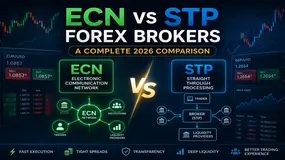
ECN vs STP Forex Brokers: A Complete 2026 Comparison
If you've spent any time researching forex brokers, you've almost certainly run into the labels ECN and STP. They sound technical, broker marketing departments use them interchangeably, and the actual difference matters more for your trading costs than most beginners realize. Both ECN and STP are No Dealing Desk (NDD) execution models — neither broker type takes the opposite side of your trade. That alone separates them from market makers and matters because it removes a fundamental conflict of interest. But the way each model routes your order, prices it, and earns revenue is structurally different, and those differences directly translate into the spread you pay, the slippage you absorb, and whether your strategy is profitable at scale. This guide breaks down exactly how the two models work, where they diverge, and which one fits which type of trader.
WikiFX Broker
Latest News
FAST TRADEFX Review 2026: Official Warnings and Severe Risk Signals
 WikiFX
Dollar Eases As Gulf Tensions Cool
WikiFXDollar Steadies Amid Oil Swings
WikiFXFast Profits vs Holding Overnight: Finding Your Forex Trading Pace
WikiFXTRANS X MARKETS Review: Unregulated Broker Warning for Forex Traders
WikiFXTrades Universal Review 2026: Unregulated Status and Regulator Warnings
WikiFXST Global Markets Review 2026: Withdrawal Delays & Poor Customer Support Service Complaints
WikiFXRoboForex Review 2026: Examining Withdrawal Issues and Unfair Account Termination Complaints
WikiFXDollar Strengthens Amid Strait of Hormuz Standoff
WikiFXDollar Steadies While Asian Currencies Slide
WikiFXRate Calc

