Former Web3 Fund Executive Accused of Fraudulently Selling Fake Crypto Investment Deals

Abstract:Criticism has emerged within the cryptocurrency industry following reports alleging that Kampanat Wimonnot, a former Web3 fund executive, was involved in a fraudulent investment scheme involving fake pre-token deals linked to well-known blockchain projects. According to the allegations, the scheme used documents and information that were claimed to be fabricated in order to create the appearance of legitimacy and attract investors. At least 24 victims from multiple countries have reportedly been affected, with losses ranging from tens of thousands of dollars to more than US$1 million. The incident highlights the risks associated with private allocation crypto deals and underscores the importance for investors to verify information directly with the originating project before making any investment decisions.
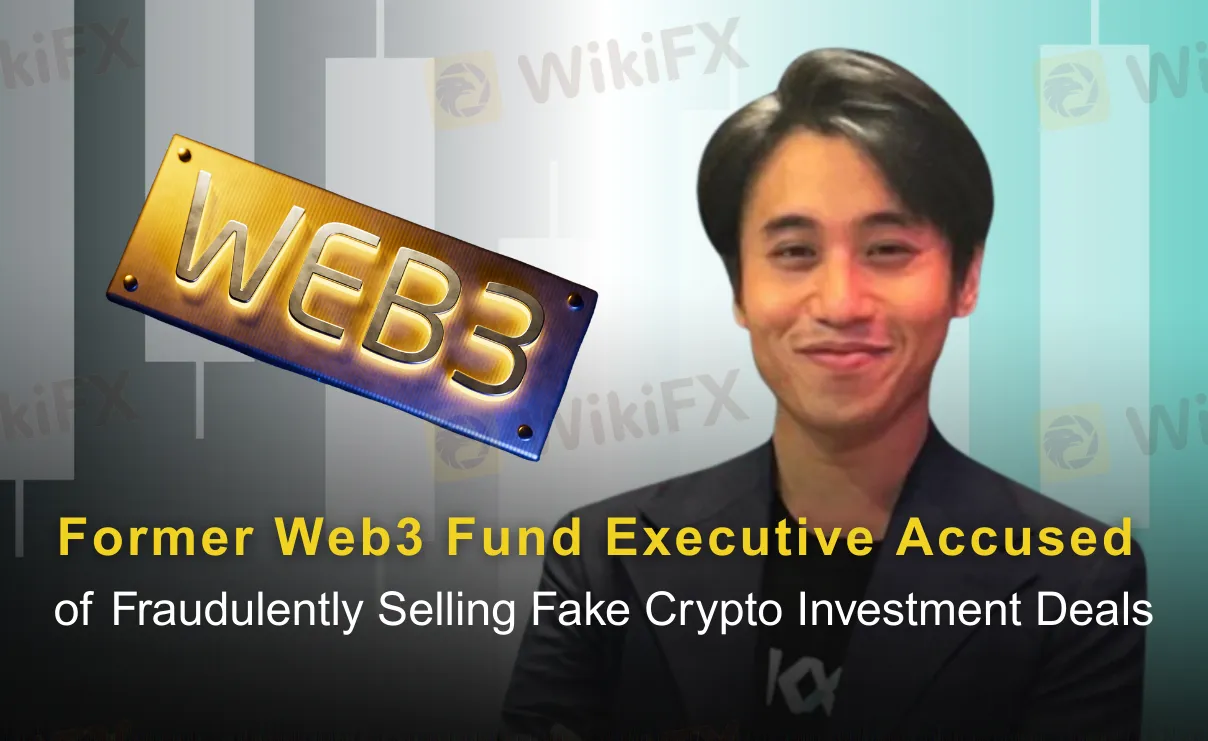
A wave of criticism has emerged across the cryptocurrency and technology sectors following international media reports alleging that Kampanat Wimonnot, also known as “Jom”, a former executive at a Web3 and AI venture capital fund, was involved in a fraudulent scheme promoting fake cryptocurrency investment deals to investors from multiple countries.
According to the reports, the accused allegedly leveraged the credibility of his professional background and previous roles within the technology investment industry to market pre-token investment opportunities (Token Allocations) in well-known global blockchain projects. However, investigations later suggested that some of the supporting documents used to promote the deals were fabricated, and several projects reportedly denied any involvement.
Currently, at least 24 victims from multiple countries have come forward, with individual losses ranging from approximately US$20,000 to more than US$1 million.
The Scam Model: Using “Pre-Token Deals” to Build Credibility
Reports indicate that the accused previously held a role in KXVCs US$100 million Web3 fund, which operates under Kasikornbank, and had also appeared at major technology events such as the Singapore FinTech Festival 2024.
This professional background was allegedly used to gain the trust of potential investors. Victims were told they could access exclusive early-stage token allocations in high-profile crypto projects, including:
- Monad
- Babylon
- Linera
Investors were offered the opportunity to purchase tokens before they were publicly listed, commonly referred to as Private Allocation deals, which are typically accessible only to large venture capital firms or institutional investors.
However, when some investors later contacted the projects directly, they discovered that the projects had no connection to the alleged investment deals.
Fabricated Documents and Delayed Payouts
Victims reported that the investment agreements they received appeared similar to legitimate venture capital documentation, but were later found to contain altered or fabricated details.
When the time came for token unlocks or profit distributions, the accused allegedly cited technical issues or unfavorable market conditions to delay payouts. Communication eventually ceased toward the end of 2025.
Media investigations found that among 19 projects referenced in the investment proposals:
- Monad confirmed that the documents used were fake.
- Babylon stated that it had never heard of nor worked with the accused.
- Linera acknowledged that discussions had occurred previously but no investment agreement was ever finalized.
Most other projects similarly denied granting any token allocation rights to the individual.
Victim Story: US Entrepreneur Loses Over $130,000
One victim, identified as Steven, a businessman based in California, initially invested US$15,000 after receiving documentation that appeared legitimate and contained no obvious warning signs.
Over time, additional fees were requested, including administrative costs and operational charges. At one point, the accused reportedly asked to borrow US$2,400, claiming he could not access his crypto wallet while traveling.
After Steven transferred what became the final payment, communication abruptly stopped. In total, he lost more than US$130,000 (approximately 4.5 million Thai baht).
Current Status and Company Response
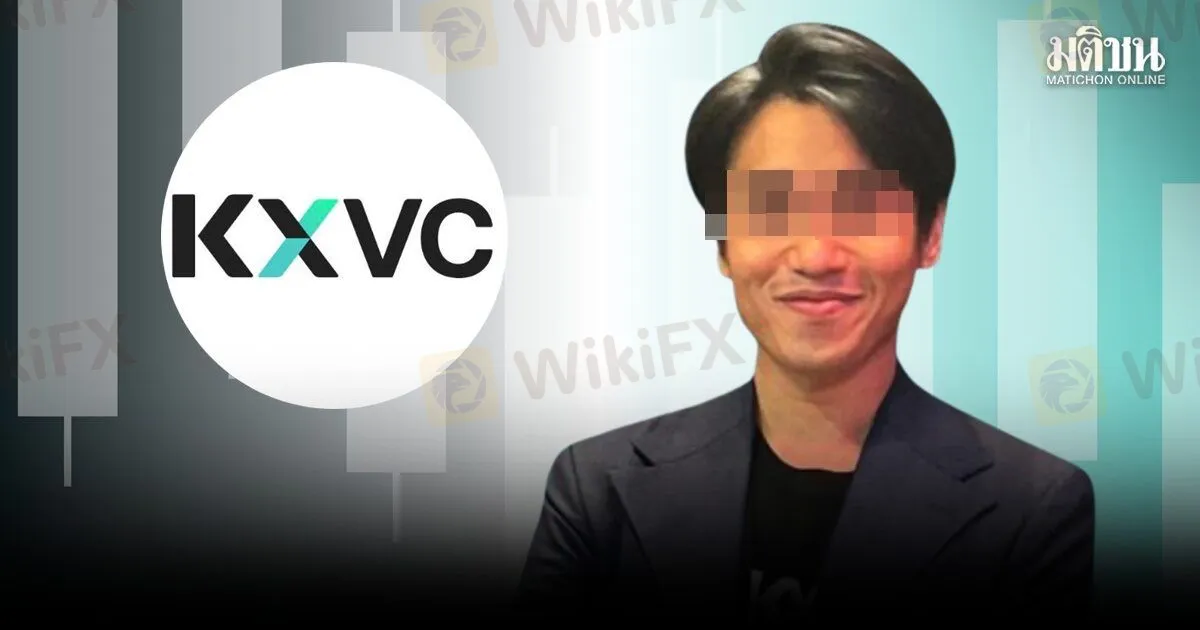
According to available information, Kampanat Wimonnot has not been affiliated with KXVC since March 2025.
KXVC has since posted a notice on its website stating that the individual no longer works with the firm and warning investors not to transfer funds to personal accounts under the companys name.
Meanwhile, the accuseds communication channels, including LinkedIn and Telegram, have reportedly been deactivated or are no longer responding. Reports also indicate that his employment history with KXVC has been removed from his LinkedIn profile.
There are unconfirmed rumors that he may have left Thailand and traveled to the United States, though no official confirmation has been provided.
Key Lessons for Crypto Traders and Investors
The incident highlights a growing pattern of scams in the cryptocurrency sector, particularly those involving Private Allocation token deals, which are often used to create a false sense of exclusivity and credibility.
Warning signs investors should watch for include:
- Private token deals that are unusually easy to access
Early token allocations are typically reserved for major venture capital firms.
- Requests to transfer funds to personal accounts
Legitimate funds and venture firms usually use corporate accounts.
- Professional-looking documents that cannot be independently verified
Investors should always confirm information directly with the project team.
- Repeated delays in profit distribution or token unlocks
This is often a key indicator of fraudulent investment schemes.
Conclusion
This case serves as another reminder that even individuals with established backgrounds in the technology and investment sectors can be accused of involvement in fraudulent schemes.
In the cryptocurrency industry, personal credibility alone should never be the basis for an investment decision. Investors must carefully verify every opportunity, particularly deals promoted as “exclusive insider opportunities.”
Because in a market filled with high potential returns, high risks often follow closely behind.
Learn More About the Forex Industry
You can verify Forex broker licenses and read reviews easily using the WikiFX App. Simply search the broker name to access detailed information.
The app also provides trading insights, strategies, market analysis tools, and EA VPS services — all in one place.
Download the WikiFX app for free and stay informed before you trade.
Read more
OspreyFX Review: Do Traders Face High Slippage and Wide Spreads?
Are your funds stuck with OspreyFX, a Saint Vincent and the Grenadines-based forex broker? Does your trade execution price always remain far away from the requested price due to heavy slippage? Does the broker, contrary to its claims of low-cost trading experience, widen spreads to inflate your costs? Like others, do you always witness constant fund withdrawal denials by the broker? In this OspreyFX review article, we have investigated complaints against the forex broker. Read on!
TAG MARKETS Review 2026: Allegations of Withdrawal Denials & Trading Glitches
Did your good trading experience with TAG MARKETS reverse when applied for fund withdrawals at the Mauritius-based forex broker? Besides withdrawal denials, did you also witness account blocks or deletions by the broker? Did the broker’s customer support team fail to provide you a proper reason for these trading activities? Have you also witnessed glitches on deposit bonus? These allegations have only grown further in 2026. Read on as we share these allegations in this TAG MARKETS review article.
MYFX Markets: Is it Legit or a Scam? This Review Will Tell You the Answer!
Is your trading experience with MYFX markets full of fund withdrawal denials despite repeated communications with its customer support team? Has the broker deleted all your profits? Did the broker accuse you of false trading strategy implementation while deleting your profits? There have been many such instances reported by traders against these activities online. In this MYFX Markets review article, we have shared some complaints. Take a look!
Exfor Exposure: Investigating Alleged Withdrawal Denials, Illegitimate Account Closure & More
Exfor, a Malaysia-based forex broker, has allegedly been the centre of attention for all the wrong reasons. These include long-pending withdrawal denials, no communication or assistance from the broker’s customer support team, manipulated pricing upon a withdrawal request by the trader, and account blowups due to bonus-related issues. It’s the traders who allegedly bear the brunt of all these suspicious trading activities. A lot of them have criticized it on broker review platforms. We have highlighted some of their complaints in this Exfor review article. Take a look!
WikiFX Broker
Latest News
Retiree’s Tabung Haji Savings Gone: Elderly Retiree Loses RM277,000 After One Whatsapp Message
WikiFXOil prices jump above $100 for first time in four years
WikiFXForex Brief: Dollar Dips Ahead of NFP; RBA Bets Lift AUD
WikiFXCrude Oil Rallies to $85 on Escalating Middle East Geopolitical Risks
WikiFXChina Signals Tolerance for Slower Growth with Revised 2026 Outlook
WikiFXOil Surges as Qatar Warns of $150 Crude and 'Force Majeure' Across Gulf Exporters
WikiFXJRJR Review: Safety, Regulation & Forex Trading Details
WikiFXHeroFx Review: Withdrawal Problems, Scam Alert & Risks
WikiFXForex Brief: Yen Weakens Past 157.75 as BoJ Policy Hopes Dim
WikiFXCanadian Regulators Say More Than 7,500 Fraudulent Investment and Crypto Websites Were Taken Down
WikiFXRate Calc
