How to Become a Profitable Forex Trader in Pakistan in 2025

Abstract:If you want to enter the forex market in Pakistan and achieve success, earning consistent profits and excelling in trading, then you should check out this “How to Become a Profitable Forex Trader in Pakistan in 2025” article. You will wonder why you need to do this? The answer is simple: this article covers all the essential topics such as Forex Trading in Pakistan, and ways to learn Forex Trading in Pakistan, even if you are a native speaker and want to learn forex trading in Urdu. This article talks about that too. So, if you want to succeed in the forex market in 2025, read this article sincerely.

If you want to enter the forex market in Pakistan and achieve success, earning consistent profits and excelling in trading, then you should check out this “How to Become a Profitable Forex Trader in Pakistan in 2025” article. You will wonder why you need to do this? The answer is simple: this article covers all the essential topics such as Forex Trading in Pakistan, and ways to learn Forex Trading in Pakistan, even if you are a native speaker and want to learn forex trading in Urdu. This article talks about that too. So, if you want to succeed in the forex market in 2025, read this article sincerely.
Forex Trading in Pakistan: Licensing and Regulation
Before starting forex trading in Pakistan, one of the most critical things to consider is licensing and regulation. The forex market is highly volatile and involves risk, so choosing a reliable broker that complies with international standards is crucial.
In Pakistan, the Securities and Exchange Commission of Pakistan (SECP) is responsible for regulating forex brokers and trading platforms. Any forex broker that wishes to operate legally within the country must obtain a license from the SECP to provide their services.
How to Learn Forex Trading in Pakistan
Learning forex trading properly is the foundation for becoming profitable. Many beginners make the mistake of starting trading without understanding the market dynamics, which often leads to losses.Here are practical steps to learn forex trading in Pakistan:
1. Start with the basics: Understand currency pairs, how the forex market works, and trading terminologies such as pips, leverage, spread, and margin.
2. Use online resources: You can watch YouTube videos .Also many brokers provide free courses, eBooks, recorded lectures, seminars, etc. to learn forex trading.
3. Enroll in a course: Several online courses are available specifically for Pakistani traders that teach technical and fundamental analysis.
4. Practice with demo account: Most brokers provide free demo accounts where you can trade with virtual money. This helps you test strategies without risking real money.
5. Follow experienced traders: Join forex trading communities or forums to learn from professionals and see how they analyze the market.
Consistency and continuous learning are key. Understanding market trends and building analytical skills can help traders avoid impulsive decisions and trade more strategically.
How to Start Forex Trading in Pakistan in Urdu
For many Pakistani traders, learning in their native language makes the process easier. There are several platforms and resources available in Urdu that guide beginners through forex trading fundamentals and advanced strategies.
Tips for learning forex in Urdu:
• Search for Urdu tutorials on YouTube covering basic and advanced forex topics.
• Join local forex trading groups on social media that provide guidance in Urdu.
• Look for online courses or eBooks written in Urdu.
Understanding trading concepts in Urdu can help beginners grasp technical analysis, chart patterns, and risk management more effectively. Once comfortable, traders can also expand to resources in English to access more advanced global strategies.
How to Start Forex Trading without money
One of the advantages of forex trading is that you can start without investing real money immediately. This is done through demo accounts, which simulate real trading environments.
Steps to start forex trading for free:
1. Choose a regulated broker that offers a demo account.
2. Open the demo account with virtual funds provided by the broker.
3. Learn how to place buy and sell orders, set stop-loss and take-profit levels, and understand risk management.
4. Practice trading regularly to build confidence.
5. Once comfortable, you can transition to a live account with a small investment.
Starting for free allows beginners in Pakistan to gain experience without risking their capital. It also provides a safe environment to test different trading strategies.
Conclusion
Becoming a profitable forex trader in Pakistan requires knowledge, discipline, and the right tools. By choosing a licensed and regulated broker, learning forex trading through trusted resources, practicing in demo accounts, and following a structured trading plan, Pakistani traders can increase their chances of success.
Whether you are starting for free or learning in Urdu, the key is consistent practice and risk management. With dedication, you can navigate the forex market and aim for steady profits in 2025 and beyond.
Join official Broker community! Now
You can join the group by scanning the QR code below.
Benefits of Joining This Group
1. Connect with passionate traders – Be part of a small, active community of like-minded investors.
2. Exclusive competitions and contests – Participate in fun trading challenges with exciting rewards.
3. Stay updated – Get the latest daily market news, broker updates, and insights shared within the group.
4. Learn and share – Exchange trading ideas, strategies, and experiences with fellow members.

Read more
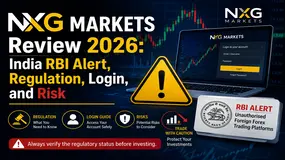
NXG MARKETS Review 2026: India RBI Alert, Regulation, Login, and Risk
People searching NXG MARKETS regulation or regulation NXG MARKETS need to separate an overseas licence from permission in India. The Reserve Bank of India Alert List, updated 19 November 2025, names NXG Markets and nxgmarkets.com. RBI says listed entities are neither authorised to deal in forex under FEMA nor authorised to run an approved forex electronic trading platform. The broker's own site also says it does not serve residents or citizens of India. This NXG MARKETS review found an overseas Mwali licence record, but no RBI authorisation. No cited court ruling proves fraud. For an Indian user, the local warning and service restriction should control the decision.
Neomarkets Review 2026: Investors Report Scams & Unfair Charges
Neomarkets, a Kazakhstan-based brokerage firm, is facing some allegations of fund scams and unfair charges. These charges were reportedly on both deposits and withdrawals. As negative Neomarkets reviews became prominent on broker evaluation platforms, it was important to inspect these allegations and understand its regulatory scope. We have covered these in this article.
OnFin Review 2026: Investigating $45K+ Fund Loss & Other Trading Allegations
OnFin, a Comoros-based multi-asset brokerage firm, impresses users with its wide range of products and trading platforms. However, user reviews largely reflect negative sentiments for the broker. Withdrawal issues have allegedly become the talking point among users on broker review platforms such as WikiFX. Among the complaints, one user even highlighted a fund scam totaling over $45,000. Additionally, the alleged failure of the broker in providing trade logs added to negative OnFin reviews. While examining the reviews, we have provided a regulatory overview of the broker.
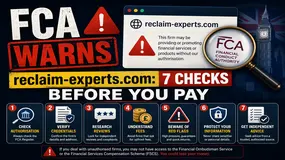
FCA Warns reclaim-experts.com: 7 Checks Before You Pay
The UK regulator classified the website as a clone of an authorised firm on 28 August 2026. The FCA says the genuine Reclaim Experts Ltd has no connection with the clone.
WikiFX Broker
Latest News
Forex Today: Attention shifts to US ISM, JOLTs and inflation in Europe
WikiFXBritish Pound edges higher as USD softens ahead US jobs data
WikiFXJapanese Yen: BoJ normalization expectations and contained moves – BNY
WikiFXUKMTO reports tanker struck by three projectiles during outbound transit of Strait of Hormuz
WikiFXAustralian Dollar holds firm amid hawkish Fed and RBA expectations
WikiFXEuro holds gains above 1.1600 ahead of Eurozone HICP inflation data
WikiFXLove Scam Cost RM260,000 Debt and Family Tragedy of 4 Deaths
WikiFXCanadian Dollar strengthens despite hawkish Fed rhetoric
WikiFXWikiFX SkyLine Public Review Officially Launched: Using Real User Voices
WikiFXIndia: Growth outlook revised higher – Standard Chartered
WikiFXRate Calc

