Beware of These Latest Social Media Financial Scams

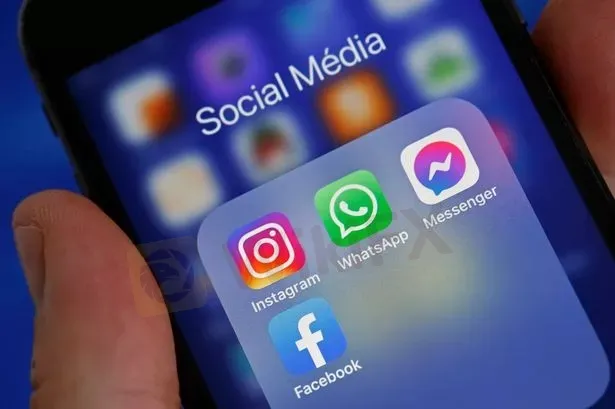
Abstract:Social media is no longer just a platform to connect with people and express yourself but it has also become a tool for scammers. Social media scammers are using these platforms to deceive people. In this article, we’ll explore the latest social media financial scams you need to be aware of, including AI-driven scams, impersonation scams, crypto scams, influencer fraud, and Instagram forex scams.

Social media is no longer just a platform to connect with people and express yourself but it has also become a tool for scammers. Social media scammers are using these platforms to deceive people. In this article, well explore the latest social media financial scams you need to be aware of, including AI-driven scams, impersonation scams, crypto scams, influencer fraud, and Instagram forex scams.
1. AI-Driven Financial Scams
AI technology is being misused by scammers to create fake financial tools, bots, and investment platforms. These scams promise “automated” profits or “AI trading robots” that can trade forex or crypto for you. Most of these tools are fake. They may ask for an initial deposit, and once you send money, the platform either disappears or keeps asking for more to release profits.
2. Impersonation Scams
One of the most common social media scams today is impersonation. Scammers create fake profiles pretending to be well-known traders, influencers, or financial experts. They use the same photos and similar usernames. Then, they reach out through DMs offering investment advice or asking you to join a private group.
3. Crypto Scams
Crypto is one of the most targeted areas for scams. On platforms like Instagram and Twitter, scammers advertise fake crypto giveaways or investment platforms. They often show screenshots of big profits or fake reviews to build trust. Victims are usually asked to send crypto first in order to receive more back but that money is never returned.
4. Influencer Scams
Some influencers on social media promote financial products or forex trading services they dont really understand. In some cases, they are paid to promote scam platforms. Their large follower count makes people trust them easily, but behind the scenes, they may be working with scammers.
5. Instagram Forex Scams
Instagram forex scams are growing fast. Scammers post luxury cars, cash, and fake trading results to attract followers. They promise to turn $100 into $1,000 in a few days. Victims are often asked to send money through apps like Cash App, Bitcoin, or PayPal. Once the money is sent, the scammer blocks the victim.
Simple Tips to Avoid social media scams
1: Always research AI tool and avoid platforms that offer guaranteed profits.
2: Real professionals dont cold-message people asking for money or offering investment deals.
3: Never send crypto to someone you dont know personally. Crypto payments are irreversible.
4: Stay away from anyone showing off a flashy lifestyle.
5: Just because someone is popular doesn‘t mean they are trustworthy. Always verify what they’re promoting.
Conclusion
With the rise of online trading and digital currency, social media financial scams are becoming more advanced. Whether its a social media forex scam, a crypto scam, or a fake influencer account, scammers know how to trick people. By staying informed about the latest social media scams, you can protect yourself and others from becoming victims of these online frauds.
Join WikiFX Community
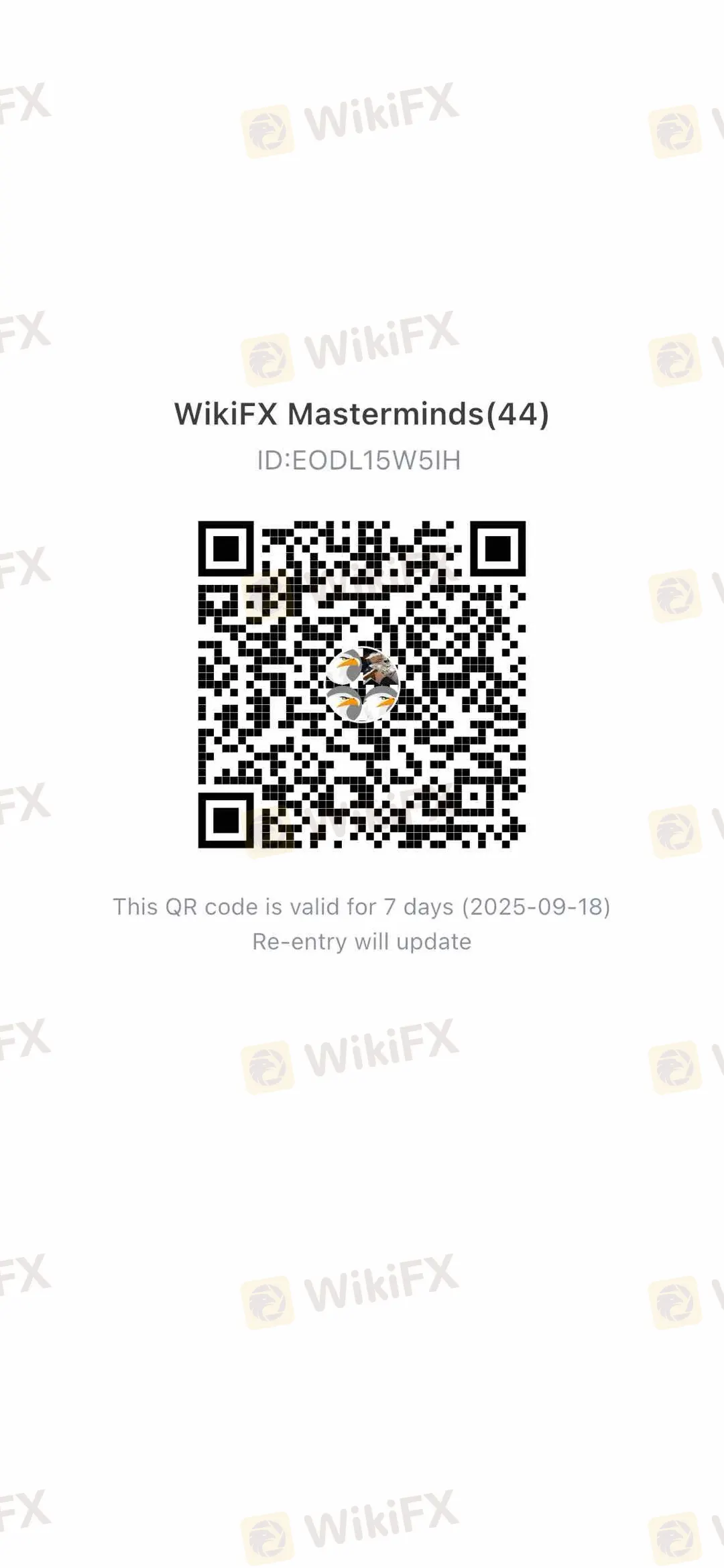
Stay alert and informed with WikiFX- your one-stop destination for everything related to the Forex market. Whether you're looking for the latest market updates, scam alerts, or reliable information about brokers. Join the WikiFX Community today by scanning the QR code at the bottom and stay one step ahead in the world of Forex trading.
Steps to Join
1. Scan the QR code below
2. Download the WikiFX Pro app
3. After installing, tap the Scan icon at the top right corner
4. Scan the code again to complete the process
5. You have joined!
Read more
FINEX Review: A+++ Rating Does Not Remove Risks - How to Read Spread, Withdrawals & Other Aspects
FINEX review 2026 for readers comparing an Indonesia forex broker: understand what Bappebti's A+++ rating does and does not show, then check floating spreads, withdrawals, segregated accounts and the complaint route for PT Finex Bisnis Solusi Futures.
Tier 1 Liquidity Forex in 2026: What Institutional Really Means for a Broker
Choosing a tier 1 liquidity forex is not a search for the lowest displayed spread or the longest provider list. It is a broker decision about pricing integrity, depth, routing, credit, reporting, incident response, and client communication. This 2026 guide explains how an institutional liquidity provider, bank liquidity forex, or interbank liquidity provider arrangement fits into a broker’s execution chain; what to test before onboarding; why a “best tier 1 liquidity forex” claim cannot replace due diligence; and how to compare cost beyond commission. Use the execution-quality scorecard, provider questions, routing scenarios, and 90-day onboarding plan to assess whether a liquidity relationship can support your actual client mix, instruments, risk model, and jurisdiction. The goal is not to make a universal ranking. It is to build evidence that your broker can explain, supervise, reconcile, and recover its execution service when market conditions are difficult.
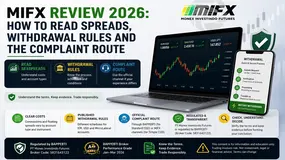
MIFX Review 2026: How to Read Spreads, Withdrawal Rules and the Complaint Route
MIFX review 2026: understand published commissions and spreads, the withdrawal process, Instant Withdrawal conditions, and the PT Monex Investindo Futures complaint route without turning community discussion into factual allegations.
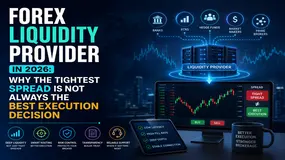
Forex Liquidity Provider in 2026: Why the Tightest Spread is Not Always the Best Execution Decision
Choosing a forex liquidity provider is not a search for the lowest displayed spread or the longest provider list. It is a broker decision about pricing integrity, depth, routing, credit, reporting, incident response, and client communication. This 2026 guide explains how a forex LP, FX liquidity provider, or liquidity provider forex arrangement fits into a broker’s execution chain; what to test before onboarding; why a “best forex liquidity provider” claim cannot replace due diligence; and how to compare cost beyond commission. Use the execution-quality scorecard, provider questions, routing scenarios, and 90-day onboarding plan to assess whether a liquidity relationship can support your actual client mix, instruments, risk model, and jurisdiction. The goal is not to make a universal ranking. It is to build evidence that your broker can explain, supervise, reconcile, and recover its execution service when market conditions are difficult.
WikiFX Broker
Latest News
Just Markets Review: 1.82 Score and No Regulation Despite Positive Reviews
WikiFXTier 1 Liquidity Forex in 2026: What Institutional Really Means for a Broker
WikiFXFizmo Fx Markets Review 2026: Unregulated Status and Withdrawal Complaints
WikiFXWhy Elections Make Currencies Swing Harder Than You Expect
WikiFXUS PPI Cools, but the Core Number Tells a More Complicated Story
WikiFXSingapore Nabs 270 Suspects in RM17 Million Scam Bust
WikiFXBX Trade Review: Is a $1 Minimum Deposit Worth the No-Regulation Risk?
WikiFXWhy Importers Panic When Dollars Dry Up, and Why You Should Care
WikiFXRinggit climbs vs US dollar as markets await inflation data
WikiFXFINEX Review: A+++ Rating Does Not Remove Risks - How to Read Spread, Withdrawals & Other Aspects
WikiFXRate Calc

