One Lot Size Mistake Can Cost You Thousands—Here's Where the 1% Rule Helps

Abstract:Switched from one trading strategy to another but could not avert heavy losses? Wondering what went wrong despite your market analysis being spot on? It may not be a strategic issue then. It may just be that you chose the wrong lot size. Yes, a single oversized position can get your account exposed to far greater risks than you may imagine. You may be moved by the impressive profits with increasing lot sizes. But by doing so, you also invite a proportionate rise in losses. This is where you need to apply the essential 1% risk management principle. This rule helps you assess how much you can afford to lose if a trade does not go as planned.
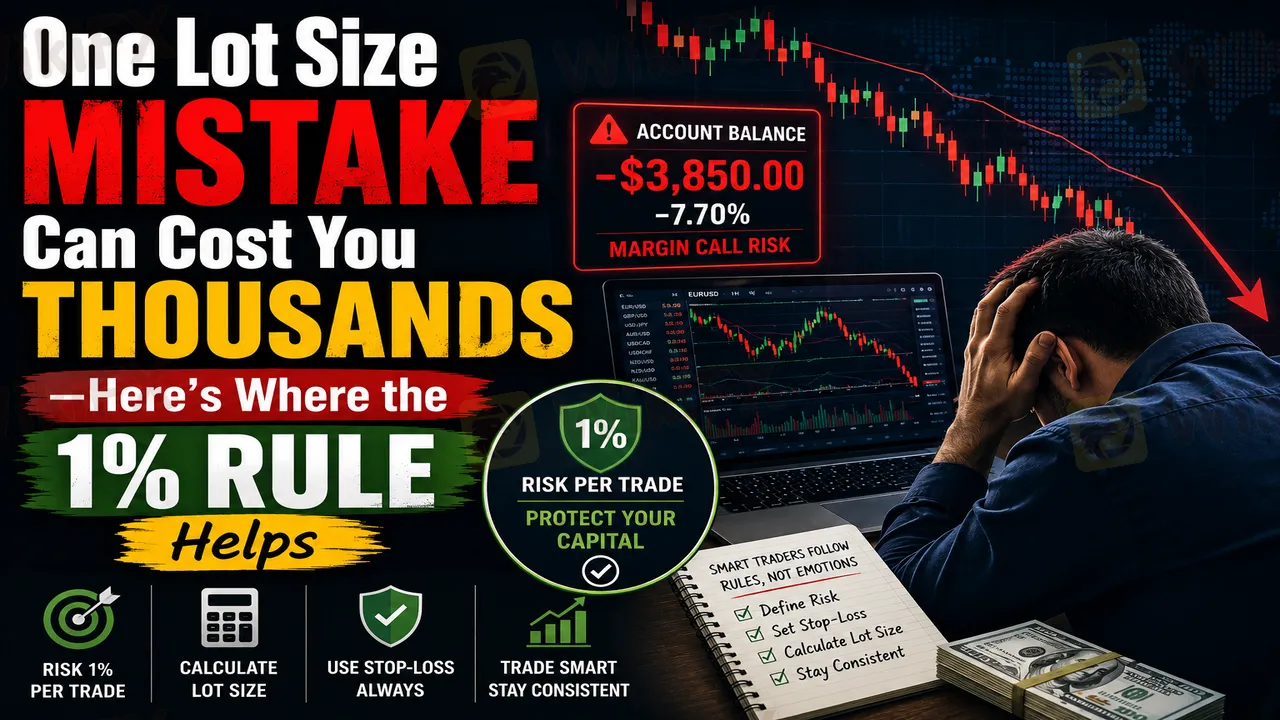
Switched from one trading strategy to another but could not avert heavy losses? Wondering what went wrong despite your market analysis being spot on? It may not be a strategic issue then. It may just be that you chose the wrong lot size. Yes, a single oversized position can get your account exposed to far greater risks than you may imagine. You may be moved by the impressive profits with increasing lot sizes. But by doing so, you also invite a proportionate rise in losses. This is where you need to apply the essential 1% risk management principle. This rule helps you assess how much you can afford to lose if a trade does not go as planned.
Why is Lot Size More Important Than Beginners May Think?
Lot size represents your trade volume. Talking about the forex market, traders usually have standard, mini, micro or nano lot options to choose from based on their account size and risk tolerance. A larger lot size represents a greater financial impact with each price movement. For example, two traders, after identifying the same trading opportunity, enter the market with the same price and identical take-profit and stop-loss levels. However, the difference remains that one trader uses a lot size five times larger than the other individual. If the trade moves against their positions, the one with a larger lot will likely experience a considerably greater loss despite both making the same price speculation. This only tells that successful trading does not depend on spotting profitable setups alone. What also matters equally is how you position your trade lot size to ensure your continuous success in the market.
What Does the 1% Rule Actually Mean?
The 1% rule represents a simple guideline experienced traders follow. It recommends risking a maximum of 1% of your trading capital on a single trade.
For instance, if your trading account balance is $5,000, you can risk a maximum loss of $50 on any individual trade. If your stop-loss indicates that a larger position would require you to risk $150, you should cut your lot size until the potential loss is kept within your predetermined risk limit.
This approach lets traders survive losing trade spells without facing severe damage to their trading accounts. As a trader, you will accept that whatever trading strategy you apply, you will not win every time. So, you should look to limit losses to remain active for a long time in an opportunity-rich trading market.
The Impact of 1% Rule on Your Lot Size
Several new traders commit the mistake of ascertaining their lot size first and only later thinking about risk. However, professional traders assess risk first before executing position sizing to match their needs with the ongoing market conditions. So, what do these traders do right? They follow this sequence:
- Ascertain your trading account balance.
- Decide the percentage of capital (preferably not more than 1%) you are ready to risk.
- Decide your stop-loss based on your trading strategy.
- Calculate the appropriate lot size that ensures your potential loss remains within your risk limit.
Following this method helps ensure a consistent risk framework for every trade rather than being driven by emotions or recent trading performances.
How Can Oversized Positions Bring You Unpleasant Surprises?
A series of winning trades may tempt you to increase lot sizes. However, the decision to raise your lot size should come with confidence, not overconfidence. At the same time, some traders, with a view to recovering their past losses quickly, tend to increase their lot size, which gives rise to revenge trading. The result of all this can be:
- Frequent account drawdowns
- Massive emotional stress
- Poor decision-making when markets turn volatile
- Increased possibilities of margin calls or automatic position liquidation
- Problems following a disciplined trading strategy
Any trading strategy is bound to fail in a volatile market, aided by unexpected news around the economy, geopolitics or other aspects. Appropriate position sizing helps ensure a minimal impact of these unfavorable events on your trade.
Combining Both 1% Rule and Stop-loss Orders in Your Trade
The 1% rule suits perfectly when traders combine it with a correctly defined stop-loss order, which indicates the maximum price movement you are likely to accept before exiting a trade. Rather than keeping the stop-loss farther away to avoid taking a loss, traders can make adjustments to their lot size. This will help ensure the intended stop-loss still keeps the overall risk to around 1% of their account. Following this strategy successfully lays a trading approach that determines position size and exit strategy before entering the market.
Takeaway - Building Long-Term Consistency
Successful Forex trading is rarely about making the largest profit from a single trade. It is about protecting capital while allowing profitable opportunities to accumulate over time.
The 1% rule does not guarantee profits, nor does it eliminate losses. Markets remain unpredictable, and every trade carries risk. However, by consistently matching your lot size to your account balance and predetermined risk level, you reduce the likelihood that one losing trade will cause significant damage to your trading capital.
Before increasing your position size, ask yourself a simple question: If this trade reaches my stop-loss, am I comfortable losing this amount? If the answer is no, your lot size is probably too large.
In the long run, disciplined risk management often proves more valuable than finding the “perfect” trading strategy. The traders who remain in the market for years are usually those who focus first on preserving capital—and the 1% rule provides a practical framework for doing exactly that.
Download the WikiFX App for more such insightful trading concepts.

Interesting Articles for You
Review 2026: I’m Unable to Receive My Profits. We Investigated This Common User Allegation.
Read more
suxxessfx Review 2026: Funds Worth $5K-$42K Reportedly Lost. Check Our Investigation!
suxxessfx, a Seychelles-based brokerage entity, grabbed massive ire from traders on broker review platforms such as WikiFX, a globally recognized forex broker regulation inquiry app. Exposure reports have revealed fund losses worth over $5K-$42K on the broker’s trading platform. This suxxessfx review examines serious user allegations and its regulatory status. Read on!
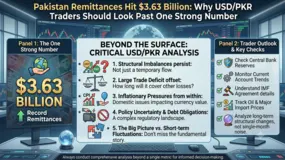
Pakistan Remittances Hit $3.63 Billion: Why USD/PKR Traders Should Look Past One Strong Number
Pakistan remittances reached $3.631 billion in July 2026, up 13% year on year and 4.5% from June, according to the latest State Bank of Pakistan data release. The SBP remittances update is a useful external-sector input, but it is not a currency forecast. This guide explains what the inflow can mean for the Pakistan forex market and USD PKR, and what it cannot prove about the next Pakistan rupee move.
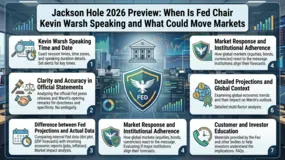
Jackson Hole 2026 Preview: When Is Fed Chair Kevin Warsh Speaking and What Could Move Markets
Fed Chair Kevin Warsh is listed to deliver Jackson Hole keynote remarks on 28 August 2026. See the schedule, market scenarios and USD-gold watchlist.
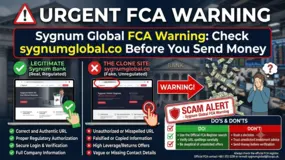
Sygnum Global FCA Warning: Check sygnumglobal.co Before You Send Money
The FCA warned that Sygnum Global and sygnumglobal.co are unauthorised. Check the phone numbers, consumer protections and payment steps before dealing.
WikiFX Broker
Latest News
EMIRAX MARKETS Review: Withdrawal Blocks, Suspended Login Access, and a High-Risk Broker Warning
WikiFXWhat Your Trading Journal Really Reveals About Your Behaviour
WikiFXRev One Trading Shuts Down as Founder Shifts Focus to Prediction Markets
WikiFXSaracenMarkets Review 2026: Regulation, High Leverage, and Mixed User Signals
WikiFXFXGT Review 2026: Withdrawal Rejection, Profit Deduction & Slippage Complaints Surface Online
WikiFXTreasury Buybacks Alter Dollar Liquidity Flows
WikiFXFOMO in Forex: Why a Missed Move Feels Like a Real Loss
WikiFXFIX API Forex in 2026: The Broker Integration Questions That Matter After the Connection is Live
WikiFXHe Worked Hard and Saved Money Frugally, Now A Scammer Took It All
WikiFXCapital Street FX Review: Is Your Deposit Safe?
WikiFXRate Calc

