221 Under Investigation as Scam Losses Cross RM28 Million in Two Weeks

Abstract:Singapore authorities have concluded a major anti-scam enforcement operation that resulted in 221 individuals being placed under investigation for their alleged roles in a wide range of fraudulent schemes.
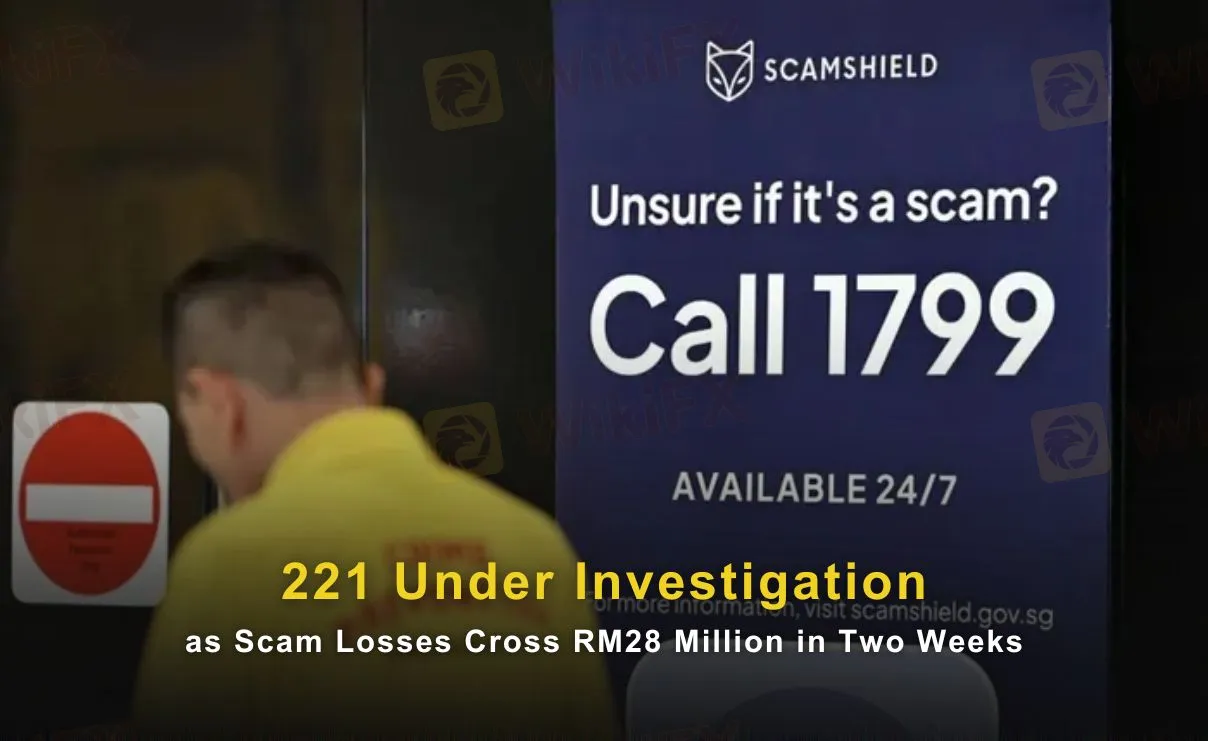
Singapore authorities have concluded a major anti-scam enforcement operation that resulted in 221 individuals being placed under investigation for their alleged roles in a wide range of fraudulent schemes. The operation ran from 21 May to 3 June 2026, and police confirmed that the suspects are linked to more than 658 reported scam cases in which victims collectively lost in excess of S$9 million (about RM28 million).
The suspects range in age from 15 to 81 years old, comprising 149 men and 72 women. They are being investigated for alleged involvement either as active scammers or as money mules, the individuals who facilitate the movement of illegal funds through their bank accounts. The offences being investigated include cheating, money laundering, and providing payment services without a valid licence.
The bulk of cases uncovered during the operation involved some of the most common forms of scam activity seen across Southeast Asia today, including e-commerce fraud, friend impersonation scams, job scams, government official impersonation, investment fraud, and rental scams. The breadth of these categories reflects how extensively scam syndicates have diversified their approaches to target different segments of the population.
Penalties for those found guilty are severe. Convictions for cheating
carry a maximum sentence of 10 years in prison and a fine. Money laundering offences can result in imprisonment of up to 10 years, a fine of up to S$500,000, or both. Individuals convicted of offering payment services without a licence face up to three years in prison and fines reaching S$125,000.
Singapore has also recently toughened its stance on scam involvement at the legislative level. Since 30 December 2025, those convicted of direct scam activity now face mandatory caning of between six and 24 strokes. Money mules who assist syndicates by laundering proceeds, supplying SIM cards, or providing Singpass credentials are subject to discretionary caning of up to 12 strokes.
Beyond criminal prosecution, individuals connected to these offences, whether under investigation, previously warned, or already convicted, may face restrictions on their banking services and mobile line subscriptions. Police reiterated that anyone with information relating to scam activity is encouraged to contact the police hotline at 1800-255-0000 or submit a tip online through the official police portal. All information submitted will be treated confidentially.

Read more

Is TradingPRO Safe? FCA Warning, Indonesia Blocklist Evidence, and 7 Checks Before You Deposit
This Trading Pro broker review checks the FCA warning, Indonesia blocklist evidence, licence claims, and what South Asian users should verify before depositing.

The Rise of Deepfake Investment Scams: ASIC Shares Key Warning Signs
Artificial Intelligence (AI) has grown remarkably recently. However, it has also amplified the scope for financial fraud. One such is the rapid use of deepfake technology involving AI-generated videos, images and audio clips imitating real people. Fraudsters are leveraging these technologies to impersonate financial advisers, celebrities, business leaders and government officials to lure victims into fake investment schemes. Understanding the emerging implications, the Australian Securities and Investments Commission (ASIC) has cautioned investors of investment avenues promoted through convincing AI-generated content. Seemingly authentic, deepfakes are designed to manipulate trust and make people transfer funds before authenticating the investment’s legitimacy.
ABET Review 2026: Users Allege Missing Funds and Trade Manipulation - Our Investigation
ABET, a Bulgaria-based brokerage firm, faces severe allegations from users for the reportedly inefficient way it handles their funds. While some alleged illegitimate account blocks by the broker, others reported fund scams and trade manipulations. These ABET reviews have raised question marks over the broker’s legitimacy.

22K Trader Review 2026: Ongoing User Allegations Raise Fresh Questions About Trust
22K Trader, a United Kingdom-based brokerage entity, is facing severe fund scam allegations from Indian users, in particular. One user reported losing as high as $26,500 on the platform. Similarly, other users have claimed different loss amounts while also criticizing the forced trade execution by the broker. In this 22K Trader review, we have examined several user allegations and provided the regulatory framework the broker operates under.
WikiFX Broker
Latest News
FBS Review: Is Your Deposit Safe?
WikiFXPocket Broker Review: Can You Actually Withdraw Your Money?
WikiFXTHINK MARKETS Broker Might Not Want You To See This
WikiFXYAIBroker Review: Website Is Down and Users Report Withdrawal Problems
WikiFXBONUS Review: Is Your Deposit Safe?
WikiFXAlpari Review 2026: Official Warnings and High Complaint Patterns
WikiFXHow to Spot Your First Trial Short on H1 After a Break
WikiFXIG Review: Broker Complaints Collide With Mixed Regulation Signals
WikiFXHow to Lock In Profits and Create a Zero-Risk Trade
WikiFXSTARTRADER Adds SK Hynix CFD Days After $26.5B US Listing
WikiFXRate Calc

