eToro Review 2025: Is This Forex Broker Safe?
Abstract:As a heavyweight in the online trading industry, the eToro broker commands significant attention with its global presence and multi-regulatory status. Established in 2010 and headquartered in the United Kingdom, it holds a WikiFX Score of 7.58, reflecting its established history and high influence.
As a heavyweight in the online trading industry, the eToro broker commands significant attention with its global presence and multi-regulatory status. Established in 2010 and headquartered in the United Kingdom, it holds a WikiFX Score of 7.58, reflecting its established history and high influence. However, a closer look at recent regulatory warnings and user complaints reveals a complex picture for potential investors.
Pros and Cons of eToro
- ✅ Tier-1 Regulation: Authorized by the UK FCA, Australia ASIC, and Cyprus CYSEC.
- ✅ Global Oversight: Additional regulation in Singapore (MAS), UAE (ADGM), and Seychelles (FSA).
- ✅ High Influence: Rated “AAA” for industry reach and brand awareness.
- ❌ Regulatory Shifting: Complaints of clients being moved to offshore entities (Seychelles) to reduce protection.
- ❌ Operational Issues: User reports of withdrawal failures and platform freezes.
- ❌ Regulatory Warnings: Flagged by the Philippines SEC and sued by ASIC regarding CFD distribution standards.
eToro Regulation and License Safety
Safety is the primary selling point for eToro, and its regulatory portfolio is indeed extensive. The broker operates under several major jurisdictions:
Tier-1 Licenses
- UK FCA (Financial Conduct Authority): License No. 583263. This is one of the strictest regulators globally, ensuring client fund segregation.
- Australia ASIC (Australian Securities & Investments Commission): License No. 491139. ASIC enforces high conduct standards, though recent legal actions suggest compliance friction.
- Cyprus CYSEC: License No. 109/10, providing passporting rights within Europe.
Other Regulatory Bodies
- Singapore MAS: License No. CMS101824.
- UAE ADGM: License No. 220073.
- Seychelles FSA: License No. SD076 (Offshore regulation).
Risk Warning
Despite these licenses, regulatory records show distinct “Danger” signals. The Philippines SEC issued a warning stating that eToro is not authorized to sell securities to the public in the Philippines. Furthermore, ASIC launched court proceedings against the broker alleging that its target market for CFDs was too broad and its screening tests were inadequate, potentially exposing retail clients to high-risk products they did not understand.
Real User Feedback and Complaints
Actual user experiences paint a troubling contrast to the broker's high score. The WikiFX database has logged extensive complaints, particularly regarding “Regulatory Arbitrage”—the practice of moving clients to less regulated jurisdictions.
Regulatory Protecting Stripped:
A user from Morocco reported losing $170,000, claiming that eToro moved their account from the protection of Australia's AFCA to the Seychelles jurisdiction without proper warning. This shift stripped away their legal protections, and the user alleged unfair slippage and forced position closures.

Platform and Withdrawal Issues:
Traders from Thailand and Indonesia have reported severe issues, including the inability to withdraw funds and platform instability. One user mentioned that the system freezes during critical moments, preventing them from managing positions.
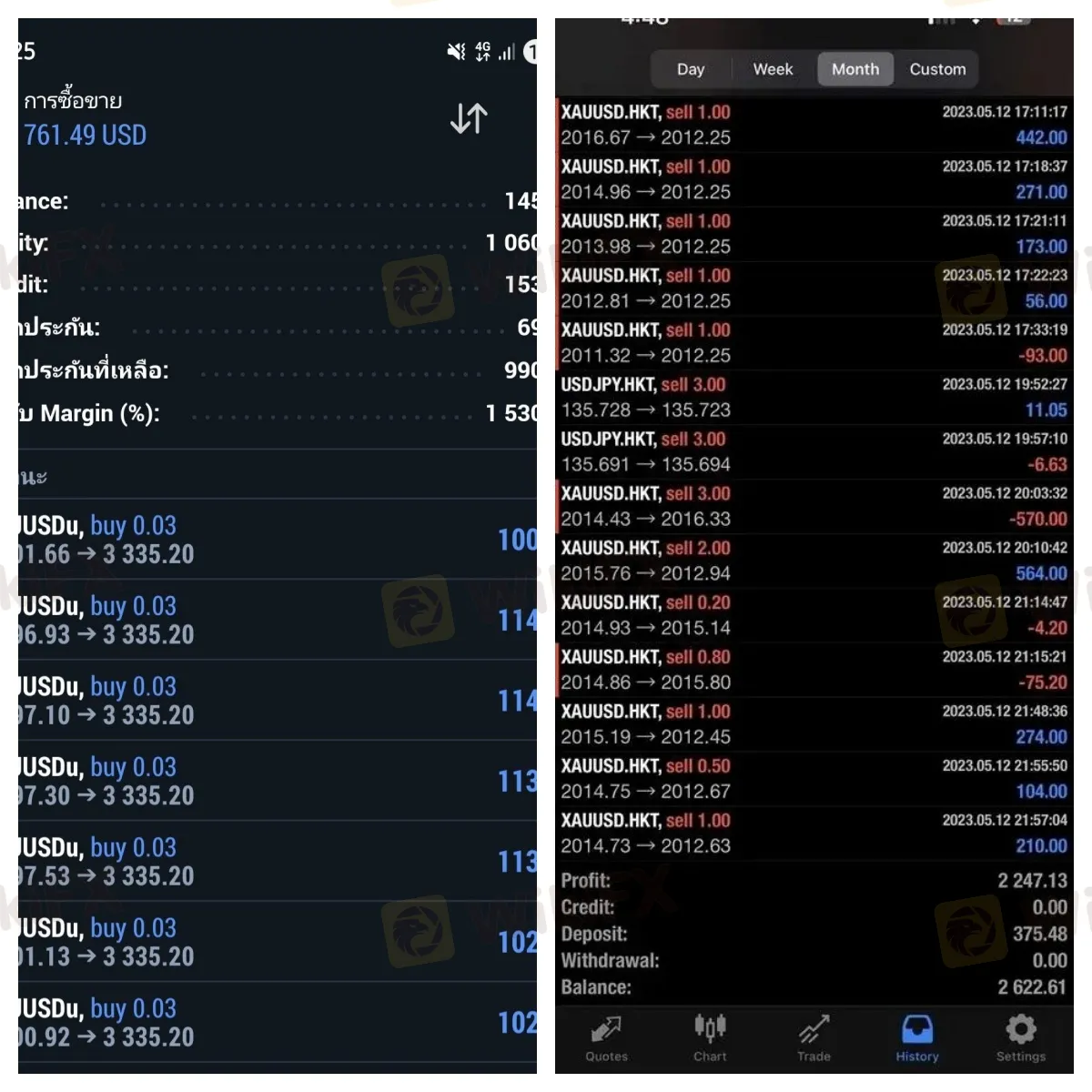
Another user from Taiwan corroborated the regulatory shifting issue, stating they were required to change their regulatory region to continue trading, which resulted in lower protection standards.
Forex Trading Conditions and Fees
Platforms
eToro utilizes a self-developed proprietary trading platform rather than the standard MetaTrader interfaces. While the platform allows for customization, the software analysis indicates that it lacks biometric authentication for a more secure eToro login, a feature that is increasingly standard for ensuring account safety. The provider focuses heavily on its mobile application, with reports suggesting limited support for other conventional interfaces.
Trading Environment
The broker's influence is widespread, particularly in the UAE and Europe. However, specific data on spreads and leverage remains opaque in the provided summary. The reliance on a proprietary system means traders are bound to the broker's own infrastructure, which, as noted in user complaints, has faced accusations of technical failures during market volatility.
Final Verdict
eToro presents a dichotomy: it is one of the most heavily regulated brokers in the world, yet it faces serious allegations regarding how it applies those regulations to its clients. The practice of shifting users to offshore Seychelles licenses effectively nullifies the safety nets provided by ASIC or the FCA. Combined with the ASIC lawsuit and Philippines SEC warning, the risk profile is higher than the score suggests.
If you choose to trade here, ensure you verify which specific entity you are contracted with. To stay safe and view the latest regulatory certificates, check eToro on the WikiFX App.

WikiFX Broker
Latest News
FXORO Review 2026: Is this Forex Broker Legit or a Scam?
 WikiFX
You Know What to Do. So Why Aren't You Doing It?
WikiFXHerofx Regulation & License Status: A 2026 Deep Dive into the Risks
WikiFXQuotex Review 2026: Is this Forex Broker Legit or a Scam?
WikiFXFIBOGROUP Review 2026: Is this Forex Broker Legit or a Scam?
WikiFXItaly Blocks 12 More Unauthorized Investment Websites
WikiFXCrude Shock Drives Dollar Higher
WikiFXPhysical Crude Decouples From Futures
WikiFXHormuz blockade could deepen worlds worst energy crisis — and risk a dangerous misstep
WikiFXXTB Moves Closer to One Million Poland Market Accounts
WikiFXRate Calc
