Oil Markets on Edge: Storage Crisis Threatens 3.3m bpd Supply Shock Within Days

Abstract:JP Morgan warns that Middle East oil producers face a critical storage crisis within 72 hours, potentially forcing a 3.3 million barrel-per-day production cut as the Strait of Hormuz risk premium escalates.
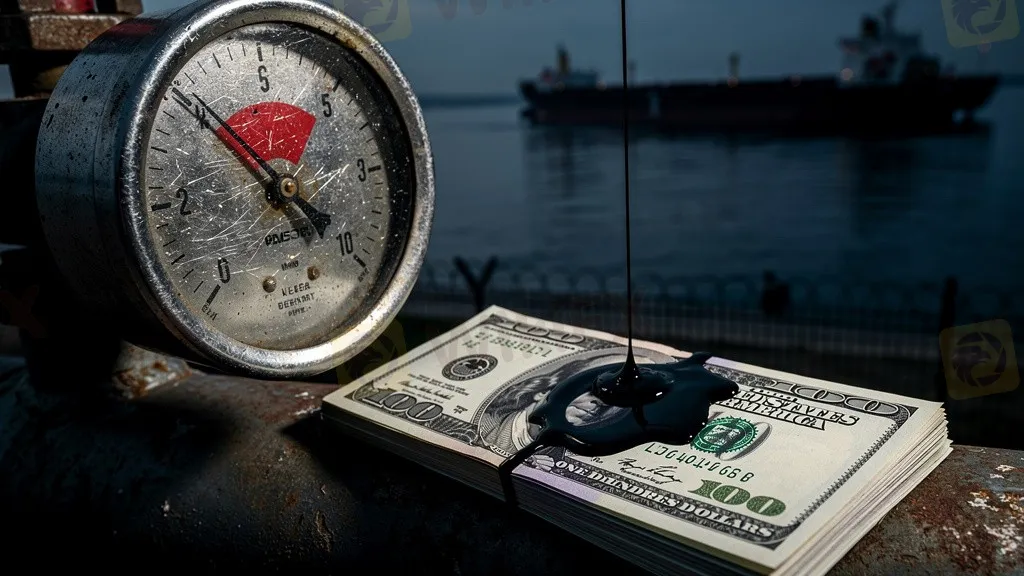
The global energy market is bracing for a potential supply shock as the geopolitical standoff in the Middle East threatens to choke off crude exports. A critical shortage of oil storage capacity in key producing nations could force mandatory production cuts as early as this weekend.
The 'Three-Day' Warning
According to a sharp revision in risk modeling by JP Morgan, the buffer for oil storage is evaporating. While initial estimates suggested a 25-day safety window, data reveals that Iraq has as little as two days remaining, while Kuwait is estimated to have roughly 13 days.
- 72-Hour Outlook: Forced production cuts could reach 3.3 million barrels per day (bpd).
- 18-Day Outlook: If the blockade of the Strait of Hormuz persists, that figure could balloon to 4.7 million bpd.
- Price Impact: The domino effect could send Brent Crude well above the current $85/barrel range.
Geopolitical Fog of War
The supply threat is exacerbated by conflicting narratives. While Iran has formally denied closing the Strait of Hormuz, shipping data indicates a virtual standstill. No major crude tankers have been confirmed crossing, with vessels like the Suezman-class Pola reportedly deactivating transponders.
Tensions remain at a boiling point. Pete Hegseth has dismissed concerns over US ammunition shortages, while Iranian officials have signaled readiness for a ground invasion.
Economic Fallout for the US
The surge in prices is creating a headache for the Trump administration. The “War Premium” has pushed 10-year US Treasury yields higher by approximately 20 basis points this week, while the US Dollar has strengthened.
Market analysts warn that if energy-driven inflation resurfaces, the Federal Reserves path to interest rate cuts could be severely restricted, turning the upcoming Non-Farm Payrolls (NFP) data into a high-stakes event.
WikiFX Broker
Latest News
Lirunex Review: Regulation, Licences and WikiScore Analysis
WikiFXEvest Complete Review: A Detailed Look at Its Rules, Costs and Serious User Problems
WikiFXItaly Orders Blocking of Six Unauthorized Investment Operations
WikiFXA Complete Guide to Axi Deposit and Withdrawal Methods
WikiFXIs 8xTrade Safe? Uncovering the Risks for Forex Traders
WikiFXRussian OTC Broker Accused in $4.7 Million Ransom Crypto Laundering Case
WikiFXMTRADING Regulation: Complete Guide to Its Licenses & High-Risk Warnings
WikiFXONE ROYAL Review: Safety, Regulation & Forex Trading Details
WikiFXAha Group $35 Million Crypto Fraud Draws Harsh Jail Terms in South Korea
WikiFXFormer Airsoft CEO Faces Trial in Germany for Offering Tech to Forex Frauds
WikiFXRate Calc
