Strait of Hormuz "Effectively Closed" as Conflict Escalates; Oil Eyes $120

Abstract:Global energy markets face a critical shock as the Strait of Hormuz sees tanker traffic plummet and Saudi infrastructure comes under attack. With oil prices surging over 9%, analysts warn of a potential rally to $120 if the blockade persists.
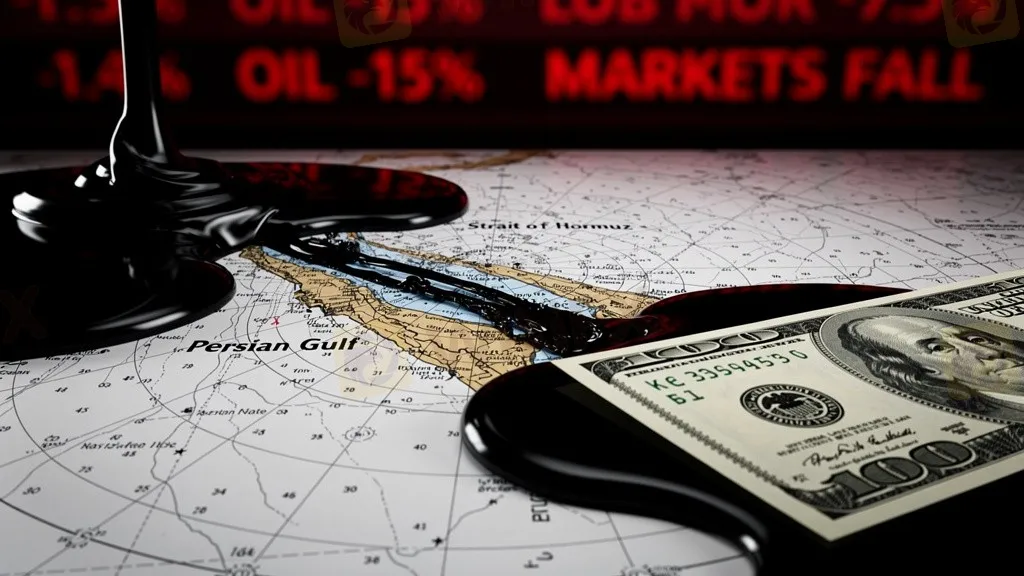
Global energy supply chains are facing their most severe test in decades following a dramatic escalation in the Middle East. Following joint US-Israeli strikes on Iran and subsequent retaliation, shipping traffic through the critical Strait of Hormuz has ground to a virtual halt.
Data from vessel tracking agencies indicates a catastrophic drop in throughput, with daily tanker traffic plunging from an average of 22 vessels to just 4. The United States has established a maritime warning zone, effectively freezing the passage of approximately 20% of the worlds crude oil and LNG supply.
Saudi Infrastructure Hit
The conflict has moved beyond threats to physical destruction. Reports confirm that Saudi Aramcos Ras Tanura refinery, the largest in the Middle East with a capacity of 550,000 barrels per day, was forced to shut down following a drone strike. This facility alone accounts for roughly 40% of the Kingdom's fuel demand and serves as a major export hub.
Markets reacted violently on Monday. Brent Crude and WTI surged over 9% in early trading, with Brent breaking $80 and threatening higher resistance levels.
Analysts: The $120 Risk Scenario
Investment banks are rapidly repricing the geopolitical risk premium.
- Citigroup has raised its short-term forecast to $85 but warns that a prolonged infrastructure campaign could push prices to $120/barrel.
- JPMorgan estimates that producer nations can only sustain exports for approximately 25 days using onshore storage. Beyond this window, a physical shortage becomes unavoidable.
- Deutsche Bank highlights the lack of viable alternative routes, noting that pipelines like the Saudi East-West line cannot offset the volume lost if the Strait remains closed.
Desperation in Asia
The supply shock is creating immediate panic among major importers. India, which relies on the Strait for half its oil imports, is reportedly scrambling to circumvent US sanctions to purchase stranded Russian crude currently floating in Asian waters. With strategic reserves covering only two weeks of demand, New Delhis pivot highlights the fragility of the current energy architecture.
The physical blockage of the Strait represents a structural shift from risk pricing to supply deletion, leaving the global economy vulnerable to a prolonged inflationary spike.
WikiFX Broker
Latest News
Lirunex Review: Regulation, Licences and WikiScore Analysis
WikiFXEvest Complete Review: A Detailed Look at Its Rules, Costs and Serious User Problems
WikiFXItaly Orders Blocking of Six Unauthorized Investment Operations
WikiFXA Complete Guide to Axi Deposit and Withdrawal Methods
WikiFXIs 8xTrade Safe? Uncovering the Risks for Forex Traders
WikiFXRussian OTC Broker Accused in $4.7 Million Ransom Crypto Laundering Case
WikiFXMTRADING Regulation: Complete Guide to Its Licenses & High-Risk Warnings
WikiFXONE ROYAL Review: Safety, Regulation & Forex Trading Details
WikiFXAha Group $35 Million Crypto Fraud Draws Harsh Jail Terms in South Korea
WikiFXFormer Airsoft CEO Faces Trial in Germany for Offering Tech to Forex Frauds
WikiFXRate Calc
