The Silver Bust: How a 'Beijing Big Short' Pricked the $120 Bubble

Abstract:A legendary "Big Short" trade by a Chinese futures powerhouse has contributed to Silver's collapse from a $120 bubble to $73, forcing corporate strategy shifts at major jewelers.
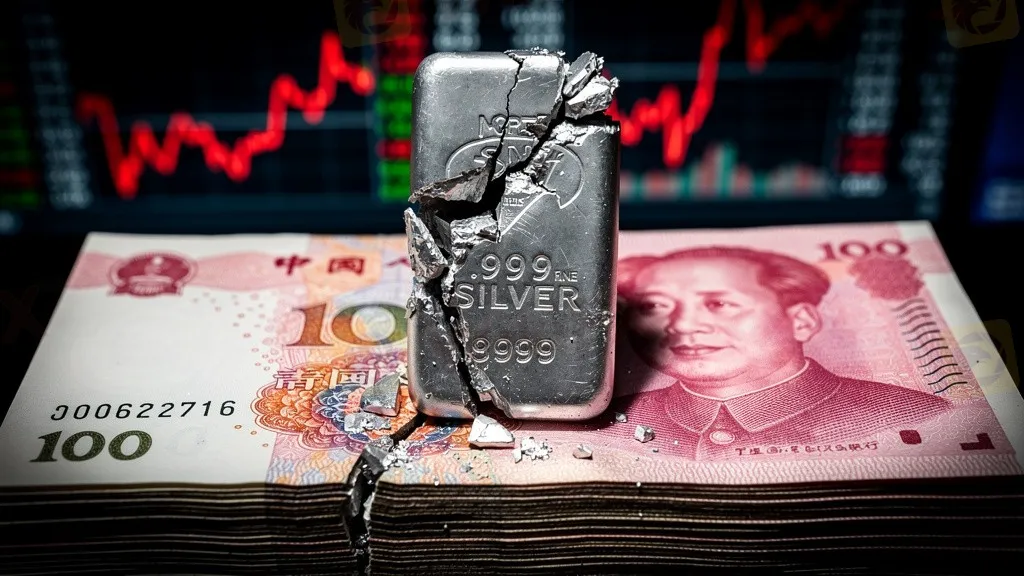
The global commodities sector is reeling from one of the most dramatic volatility events in recent history. After touching a historic high of $120/oz, Silver prices have collapsed nearly 40% in days, currently struggling to hold the $73-$75 level. The crash has unmasked a massive speculative bust and highlighted the growing pricing power of Asian capital.
The 36 Billion RMB Bet
Market intelligence reveals that the collapse was precipitated by a precision strike from Zhongcai Futures, controlled by industrialist-turned-trader Bian Ximing. Dubbed the “Beijing Big Short,” the firm reportedly built massive short positions as Silver went parabolic largely on retail “meme” hype.
- The Payoff: Estimates suggest the short position netted over $500 million (3.6 billion RMB) in profit.
- The Strategy: Unlike the Hunt Brothers' attempt to corner the market, this move preyed on an asset decoupled from fundamentals.
- Current Sentiment: Technical data shows 67% of retail funds are betting on a secondary dip, with the metal trapped below the psychological $75 barrier.
Real Economy Impact: Pandora pivots
The volatility has spilled over into the real economy. Pandora, the worlds largest jeweler by volume, saw its stock surge 16% only after announcing a strategic pivot away from Silver. With the metal's price up 150% year-on-year before the crash, the company is introducing platinum plating to protect margins, highlighting how volatility is forcing supply chain restructuring.
Meanwhile, Gold remains resilient, though analysts warn that excessive valuations could trigger unlikely competitors—including Big Tech—entering the mining sector to secure supply.
WikiFX Broker
Latest News
Understanding Dbinvesting Deposit and Withdrawal: What Traders Should Know
WikiFXTradeEU Global Review 2026: Is this Forex Broker Legit or a Scam?
WikiFXEmerging Markets: South African Fiscal Strains in Focus Amid Calls for SOE Reform
WikiFXChina Economic Watch: PMI Divergence and "Two Sessions" Signal Structural Shift
WikiFXIs Tradier a trustworthy broker? A Tradier review and licensing overview based on WikiFX data.
WikiFXOil Spikes 9% and Shipping Rates Soar as Middle East Logistics Fracture
WikiFXAssetsFX Review 2026: Is this Broker Safe?
WikiFXFed Beige Book: Stagflation Risks Rise as Growth Stalls While Prices Stick
WikiFXAsia Market Volatility: KOSPI Stages Historic 12% Rebound as Capital Flows Pivot
WikiFXEvest Broker Review: Regulated, but Complaints Persist
WikiFXRate Calc
