Kudotrade Exposed: A Risky, Unregulated Broker Targeting New Traders
Abstract:Kudotrade’s flashy promises hide real risks for new traders. Learn why this unregulated broker isn’t safe before you invest—protect your funds today.
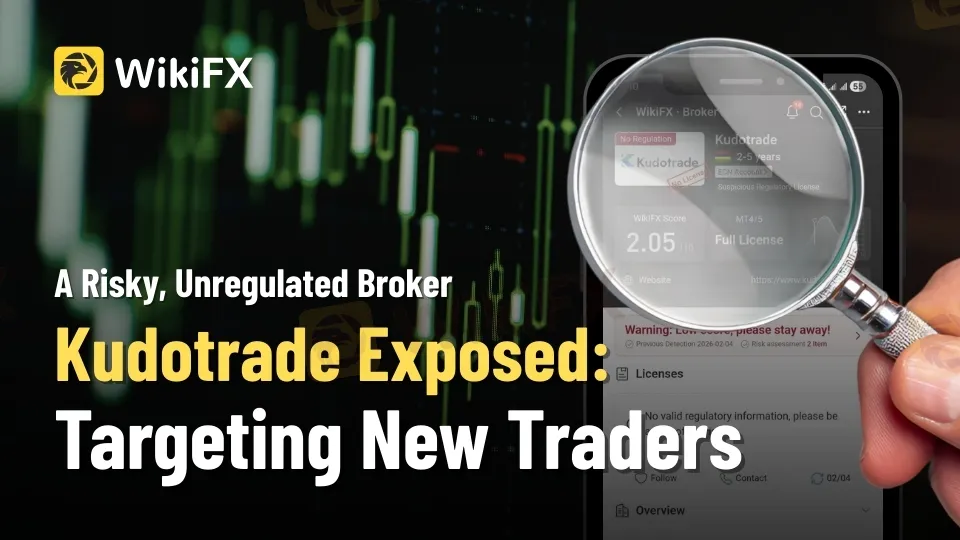
What Is Kudotrade Really Offering?
Kudotrade presents itself as a “pioneer in international financial trading services” with a modern platform and global ambitions. The broker offers features such as copy trading, a custom web-based trading platform, and access to more than 250 tradable assets. We see how this kind of positioning can easily attract inexperienced traders who are impressed by innovation and variety but may overlook regulatory and structural risks.
From the brokers own page, we can already tell that the main selling points revolve around:
- A Mauritius FSC licence claim
- Registration in Saint Lucia under Kudo Trade Ltd
- Copy trading tools are marketed as “revolutionising investment opportunities.”
- A custom WebTrader inside the client portal
- “Over 250” tradable instruments on an “innovative & advanced” platform
When we put these pieces together, Kudotrade looks less like a mature, well-regulated broker and more like a very new, lightly regulated operation that aggressively targets new traders with buzzwords.
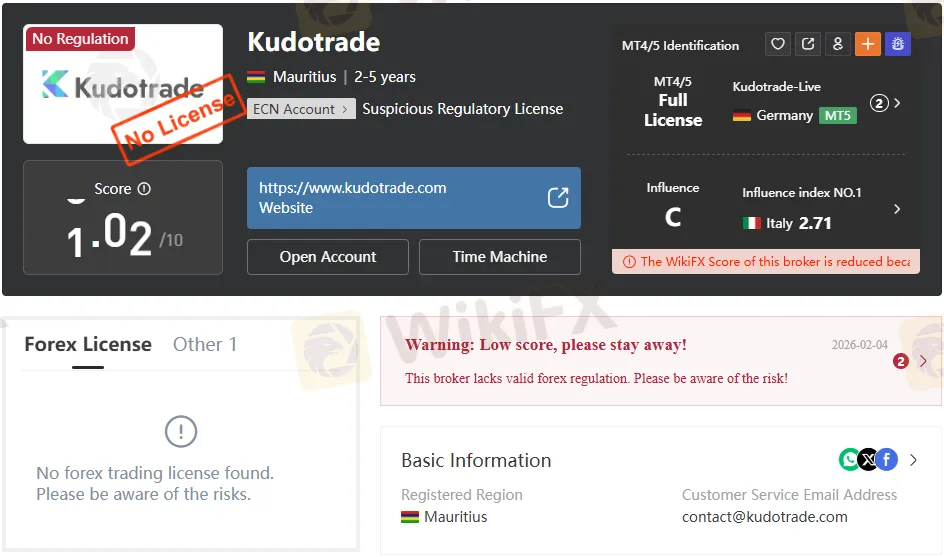
A New Broker With Questionable Foundations
Kudotrade has been operating for less than a year, which already places it in the high‑risk category for us. The broker is registered in Saint Lucia and uses the trading name Kudo Trade Ltd, a structure commonly seen with offshore or loosely supervised entities. When a platform is this young, there is no long-term history of handling client funds, no proven track record of dispute resolution, and no reliable pattern of behavior during volatile markets.
We find it especially concerning that Kudotrade is introduced as a “relatively new player” while the same page admits it faces “significant challenges that prospective traders should be aware of.” This is essentially an internal warning that the broker remains unproven and may lack the systems, controls, or financial stability that experienced traders look for. For us, that is a red flag, not a minor footnote.
The Mauritius Licence Claim – Weak Comfort for Traders
Kudotrade heavily highlights that the Financial Services Commission (FSC) of Mauritius has awarded it a licence, and the wording suggests this is “prestigious.” On the surface, this sounds reassuring, but in practice, a licence in Mauritius does not offer the same level of protection or oversight as top‑tier regulators in stricter jurisdictions.
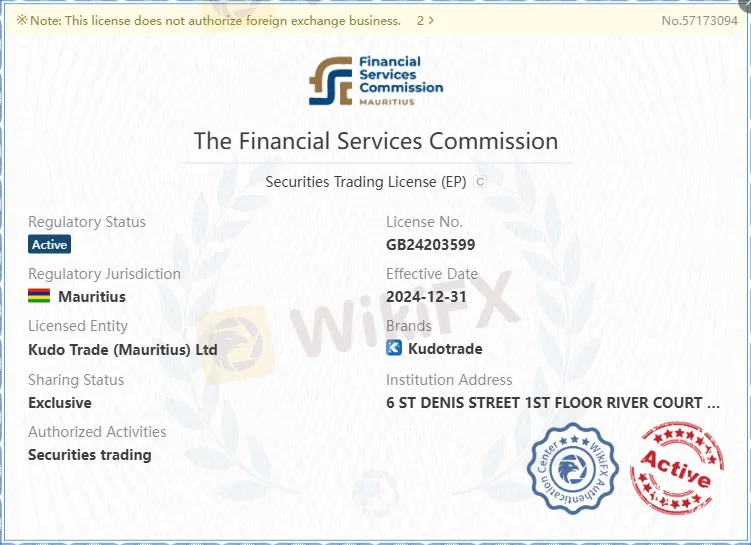
We also see that Kudotrade is still registered in Saint Lucia, which is not known for strong investor protection or strict enforcement in the forex and CFD industry. This combination—offshore registration plus reliance on a relatively lenient regulator—means traders must accept weaker safeguards than those offered by brokers regulated in tightly controlled markets. For us, calling this “weakly regulated” is fair: it looks more like a marketing bullet than a solid safety net.
Flashy Features Designed to Lure New Traders
Kudotrade heavily markets its tools and “innovations,” and this is where we see the platform deliberately speaking to inexperienced traders. The broker promotes its Kudo Copy Trader as “revolutionising investment opportunities,” promising an easy path to profit by following other traders. It has also launched its own custom WebTrader integrated into the client portal, positioning this as a modern alternative to common third‑party platforms.
The page also boasts “over 250 tradable assets” on an “innovative & advanced trading platform,” language clearly crafted to create excitement rather than explain actual trading conditions or risks. From our perspective, this focus on flashy features, apps, and buzzwords, without transparent details on regulation, fees, and execution quality, is a classic sign of a broker targeting beginners rather than serious professionals.
Why Kudotrade Poses Real Risk to Your Funds
When we assess Kudotrade solely on its broker page, we see several risk layers piling up against trader safety.
- Very short operating history (less than a year), meaning no proven long‑term reliability
- Registration in Saint Lucia is a jurisdiction frequently associated with weak oversight for forex brokers.
- Heavy reliance on a Mauritius FSC licence, which offers less investor protection than top‑tier regulators
- Strong emphasis on marketing claims and “innovation” instead of clear disclosure of risks
- Acknowledged “significant challenges” that prospective traders must watch out for
Because of these factors, we believe new traders face a high probability of encountering issues such as poor dispute resolution, unclear fund protection, and limited recourse if something goes wrong. When a brokers own exposure section warns of challenges, we take that seriously and encourage you to do the same.
How Kudotrade‘s Messaging Targets Inexperienced Traders
The overall presentation of Kudotrade feels engineered to appeal to traders who are still learning how the industry works. We see emotional language such as “revolutionising investment opportunities” and “innovative & advanced trading platform” used to overshadow the broker’s lack of history and its soft regulatory position.
New traders are especially vulnerable to this kind of messaging because they often equate high‑tech design and marketing with safety. In our view, Kudotrade is using features such as copy trading and a sleek web platform as hooks to draw in clients who might not ask deeper questions about regulation, withdrawal processes, or legal protections. This is exactly why we treat Kudotrade as a risky, unregulated‑style operation in practical terms, even when it points to a licence in Mauritius.
Our Verdict: Proceed With Extreme Caution
Bringing all of this together, our assessment is that Kudotrade is not a broker we would trust with our own funds. The combination of offshore registration, reliance on a weaker regulatory framework, a very short operating history, and self‑acknowledged “significant challenges” paints a picture of a platform that is far from secure.
If you are a new trader, we strongly recommend stepping back and comparing Kudotrade to more established, tightly regulated brokers before making any deposit. We believe that no amount of copy trading features, custom web platforms, or promises of 250+ assets can make up for the lack of strong, proven protection around your money. In our experience, choosing safety and transparency over hype is the smartest move you can make.


Read more
Tattvam Review 2026: Investigating Complaints Concerning Trade Executions
Did you encounter trade-related concerns with Tattvam, a Mauritius-based brokerage entity? Several users have reportedly accused the broker of cancelling profitable trades, allegedly citing scalping as the reason. At the same time, traders have reportedly expressed concerns over the lack of understanding among the broker officials about critical trading aspects such as copy trading. In this Tattvam review, we have carefully examined user-reported allegations. Additionally, we have given a regulatory overview of the broker.
suxxessfx Review 2026: Funds Worth $5K-$42K Reportedly Lost. Check Our Investigation!
suxxessfx, a Seychelles-based brokerage entity, grabbed massive ire from traders on broker review platforms such as WikiFX, a globally recognized forex broker regulation inquiry app. Exposure reports have revealed fund losses worth over $5K-$42K on the broker’s trading platform. This suxxessfx review examines serious user allegations and its regulatory status. Read on!
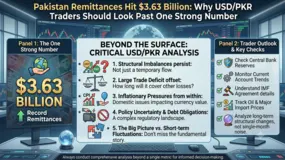
Pakistan Remittances Hit $3.63 Billion: Why USD/PKR Traders Should Look Past One Strong Number
Pakistan remittances reached $3.631 billion in July 2026, up 13% year on year and 4.5% from June, according to the latest State Bank of Pakistan data release. The SBP remittances update is a useful external-sector input, but it is not a currency forecast. This guide explains what the inflow can mean for the Pakistan forex market and USD PKR, and what it cannot prove about the next Pakistan rupee move.
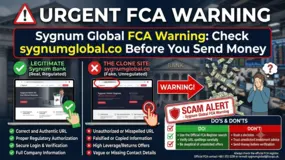
Sygnum Global FCA Warning: Check sygnumglobal.co Before You Send Money
The FCA warned that Sygnum Global and sygnumglobal.co are unauthorised. Check the phone numbers, consumer protections and payment steps before dealing.
WikiFX Broker
Latest News
OEXN Broker Review: Regulated but is it Safe for Traders?
 WikiFX
FXDD Malta Licence Ends: What Traders Need to Know
WikiFXJapanese Yen dips further despite hotter inflation, upbeat employment data
WikiFXEC Markets Marketing Director Nick Xydas Steps Down
WikiFXForest City Scam Raids Raise Fresh Warning for Malaysian Property Owners
WikiFXBOLD PRIME Review 2026: Regulation Warnings, Withdrawal Complaints, and Account Access Risks
WikiFXTikTok Romance Bait Drains Retiree RM290,000 Life Savings
WikiFXQ2 2026 Trading Volume Falls 11% as Trade Count Drops 23%
WikiFXNvidia sales soar on rapid buildout of AI data centres
WikiFXAtriance to Introduce EVEST in UAE Under CMA Category 5 Licence
WikiFXRate Calc

