Doctor loses RM285k in phone scam

Abstract:The victim, who works at a hospital in Pahang, received phone calls from several individuals on December 31.
A 31-year-old doctor in Pahang has lost RM285,000 after falling victim to a phone scam syndicate that carefully impersonated multiple authorities to gain his trust.
According to Pahang police chief Datuk Seri Yahaya Othman, the incident began on December 31 when the victim, who works at a hospital in the state, received several phone calls from unknown individuals. The callers first posed as officers from Tenaga Nasional Berhad (TNB), before transferring the call to another person claiming to be a police officer.
The fake “police officer” alleged that the doctor was linked to serious offences, including electricity meter tampering, money laundering and digital fraud. To make the story more convincing, the victim was told that he was under investigation and instructed to stay in constant contact with the suspect, even being asked to report his daily movements.
Over time, the scammers pressured the victim into taking out a loan from a financial institution, claiming the money was required as part of the investigation process. He was then instructed to transfer funds to seven different bank accounts. In addition, the victim was told to purchase 35 Razer Gold top-up cards and hand over the PIN numbers to the suspects.
By the time he realised something was wrong, the damage had already been done. The doctor had lost RM285,000, made up of his personal savings and bank loans. He only became suspicious when the suspects demanded even more money and subsequently became unreachable.
Police have classified the case under Section 420 of the Penal Code for cheating. Authorities have once again reminded the public to be extremely cautious of phone calls involving alleged investigations, especially those that demand secrecy, money transfers or prepaid vouchers.
To reduce the risk of falling victim to financial scams, tools like WikiFX can help users verify the legitimacy of brokers and financial platforms before making any investment decisions. By checking regulatory status, risk alerts and user feedback, individuals can better protect their savings and avoid becoming the next target of increasingly sophisticated fraud schemes.

Read more

‘Hidden Financial Kingpins’ Wanted in Thailand Over Thai-Cambodian Elite Scandal
Thai authorities have issued arrest warrants for South African businessman Benjamin Mauerberger and his wife over an alleged cross-border investment fraud and money laundering scheme that caused billions of baht in losses. The case has attracted major attention due to its reported links to political and business networks in Thailand and Cambodia, with the couple believed to have fled to Dubai while authorities continue investigating and freezing assets worth over 13 billion baht.

Invest RM300, Make RM10,000? Police Say It’s a Scam
Malaysian police have warned the public about a surge in social media investment scams that promise extremely high returns, such as turning RM300 into more than RM13,000. Authorities say these offers are clear red flags, as scammers often use fake testimonials and profit screenshots to gain trust before disappearing with victims’ money. The public is urged to verify investment platforms and avoid schemes that guarantee profits.
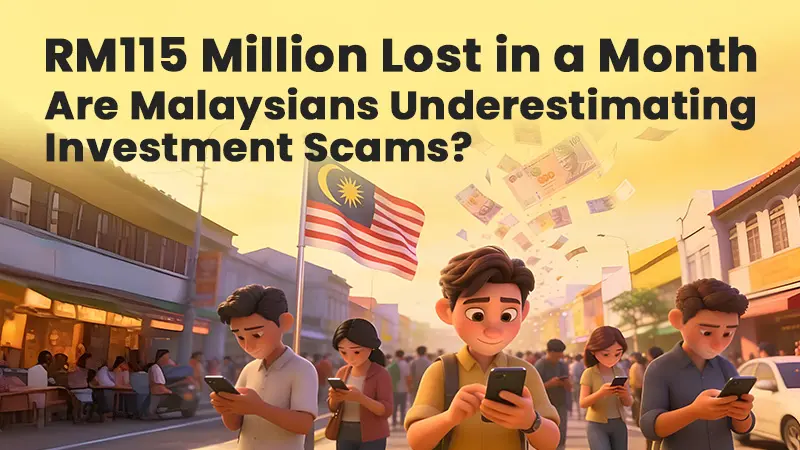
RM115 Million Lost in a Month: Are Malaysians Underestimating Investment Scams?
According to figures released by the Royal Malaysia Police, a total of 787 non-existent investment scam cases were recorded nationwide in January alone. The reported losses reached approximately RM115 million.
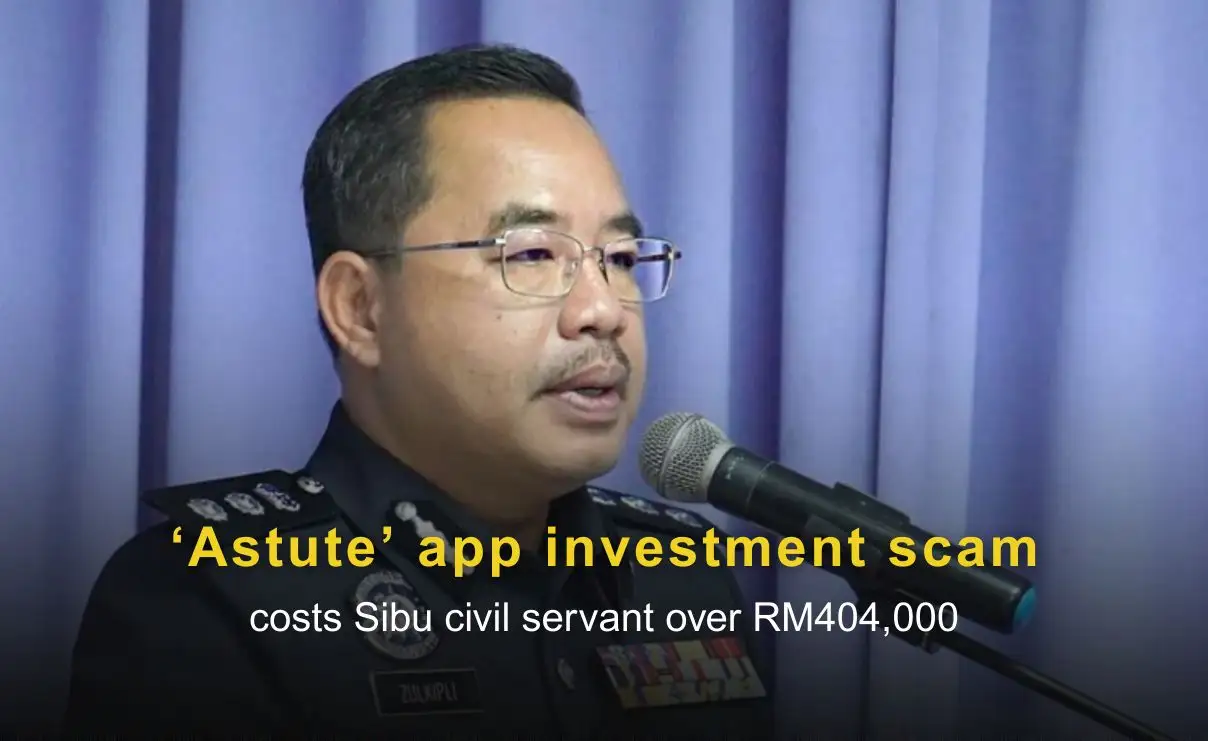
‘Astute’ app investment scam costs Sibu civil servant over RM404,000
A civil servant in her 30s lost RM404,045 after being lured by a Facebook investment advertisement and persuaded to transfer funds into multiple bank accounts. The scam initially built trust by refunding a small loss, but when she tried to withdraw her “profits”, she was instead asked to pay additional fees, prompting a police report and investigation under Section 420 for cheating.
WikiFX Broker
Latest News
Understanding Dbinvesting Deposit and Withdrawal: What Traders Should Know
WikiFXTradeEU Global Review 2026: Is this Forex Broker Legit or a Scam?
WikiFXEmerging Markets: South African Fiscal Strains in Focus Amid Calls for SOE Reform
WikiFXChina Economic Watch: PMI Divergence and "Two Sessions" Signal Structural Shift
WikiFXIs Tradier a trustworthy broker? A Tradier review and licensing overview based on WikiFX data.
WikiFXOil Spikes 9% and Shipping Rates Soar as Middle East Logistics Fracture
WikiFXAssetsFX Review 2026: Is this Broker Safe?
WikiFXFed Beige Book: Stagflation Risks Rise as Growth Stalls While Prices Stick
WikiFXAsia Market Volatility: KOSPI Stages Historic 12% Rebound as Capital Flows Pivot
WikiFXEvest Broker Review: Regulated, but Complaints Persist
WikiFXRate Calc
