SogoTrade Fined $75K Amid Compliance Failures
Abstract:FINRA fines SogoTrade $75,000 for market access control failures as TopFX advances synthetic indices trading and 24/7 multi-asset solutions.
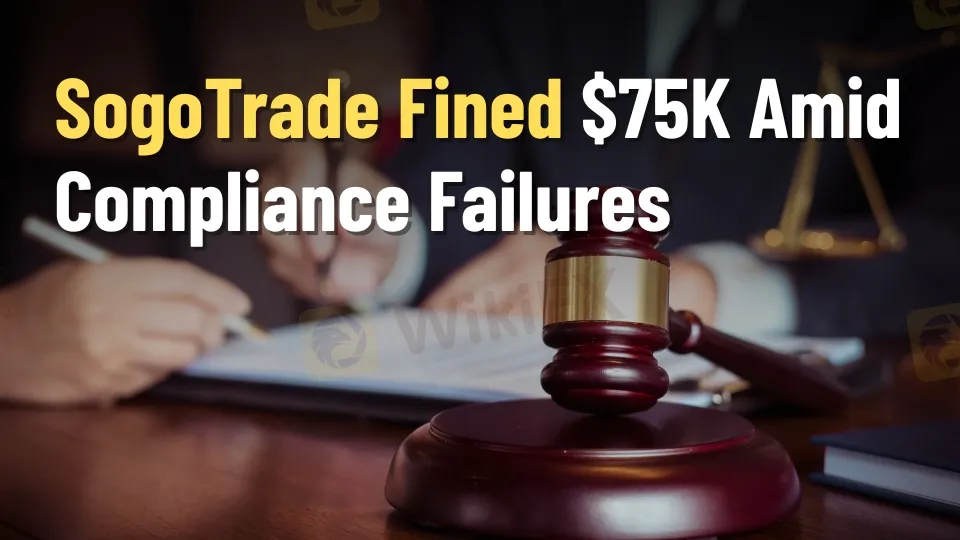
SogoTrade Faces $75K FINRA Fine as Synthetic Indices Trading Grows
Financial Industry Regulatory Authority (FINRA) has fined SogoTrade, Inc. $75,000 for failing to maintain adequate risk management controls and supervisory procedures over its market access business. The action underscores growing regulatory scrutiny even as traders worldwide explore modern tools like synthetic indices trading on the cTrader platform, offered by innovative brokers such as TopFX.
According to FINRA, from January 2018 onward, SogoTrade failed to establish and document systems designed to prevent the entry of erroneous orders, violating several sections of the Securities Exchange Act and FINRA rules. Furthermore, the firm did not complete annual reviews and CEO certifications required under federal market access regulations. In addition to the fine, SogoTrade accepted a censure and agreed to remediate its compliance issues.
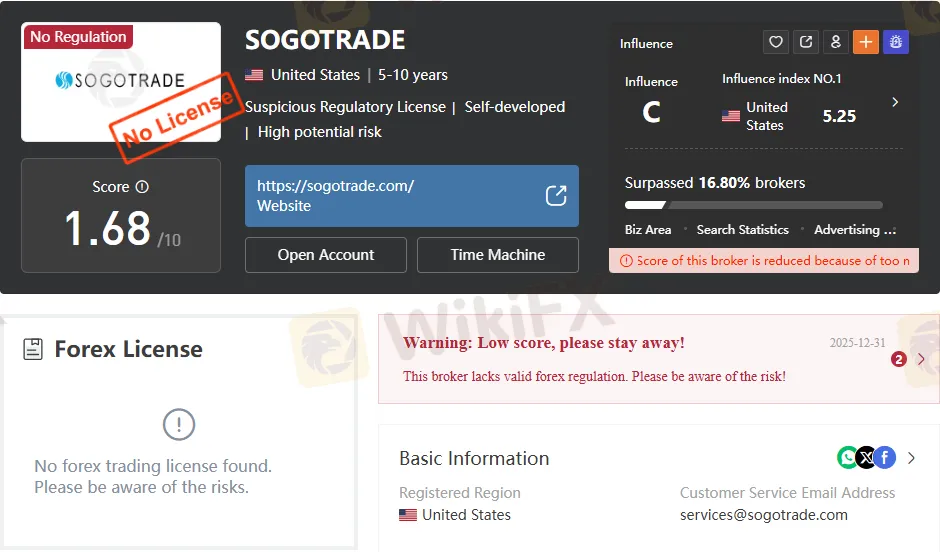
While legacy brokers like SogoTrade address internal control failures, new technology-driven firms are setting higher operational standards. TopFX, for instance, continues to expand its multi-asset trading solutions and features, attracting traders seeking stability and flexibility. The companys synthetic indices trading on the cTrader platform enables investors to trade non-correlated assets that mirror global market movements, providing continuous trading access 24/7 — a key advantage of trading synthetic indices.
But how do synthetic indices work in trading? Unlike traditional assets tied to real-world markets, synthetic indices simulate price behavior through algorithms, offering consistent volatility and reduced exposure to geopolitical risks. TopFX synthetic indices features and benefits include real-time execution speeds, transparent pricing, and seamless integration across asset classes.
As regulatory bodies tighten oversight on risk controls, the rise of algorithmic and synthetic instruments highlights a shift toward more resilient, technology-enabled market participation — where compliance, speed, and innovation increasingly define competitive advantage.


Read more

FCA Warns EXOTICINVEST on 3 September 2026 with Seven Checks Before Paying
FCA warns EXOTICINVEST in a notice first published and updated on 3 September 2026. The UK regulator identifies EXOTICINVEST TRADING AND INVESTMENT FIRM and the website www.exoticinvest.ltd, stating that the firm is not authorised and may be targeting people in the UK. This is a dated regulatory warning, not a customer review or a confirmed loss report. Anyone approached through the named website should stop before paying, avoid sharing login credentials and verify the exact business independently through the FCA Firm Checker.
FTMO Global Markets Review for India: RBI FTMO Entry and Licence GB21027119
This FTMO Global Markets review starts with a naming problem. The RBI Alert List updated 22 October 2024 names FTMO and links to ftmo.com/en at item 13. FTMO's current contact page separately lists FTMO Global Markets in Mauritius, company ID C187370 and licence GB21027119. Its January 2025 privacy policy describes FTMO Global Markets Ltd as a Mauritius investment dealer. These records do not prove RBI authorisation for the broker domain, and they do not justify treating every FTMO-branded service as the same product or legal entity.
XMR Markets Review 2026: Allegations of Failed Withdrawals & Bonuses
XMR MARKETS, a South Africa-based brokerage entity, continues to face user allegations questioning the authenticity of its withdrawal processes. Some complaints also talk about bonuses failing to reflect in the traders' accounts. Users have reported these allegations on broker review platforms such as WikiFX. In this XMR MARKETS review, we have examined user complaints and provided a regulatory overview of the broker.
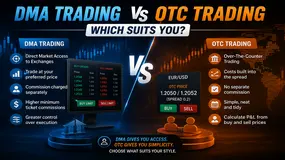
DMA Trading vs OTC Trading - Which Suits You?
Foreign exchange trading is basically of two types: Direct Market Access (DMA) and Over the Counter (OTC). Both come with their own pros and cons. It’s important to understand these two concepts before figuring out the differences between them. In this article, we will explain all of these.
WikiFX Broker
Latest News
Australian Dollar drifts higher above 0.7200 despite as strong US NFP
 WikiFX
Swiss Franc weakens as US Dollar strengthens on Fed rate hike bets
WikiFXUnited States Dollar Index trades under pressure as Yen buying accelerates
WikiFXAustralian Dollar rides thin-trading lift as Fed test looms
WikiFXDo You Know Your Cost of Swinging Gold? Gold CFD Costs Shift From Spreads To Overnight Fees
WikiFXVietnam: Inflation and trade trends shape VND – Commerzbank
WikiFXAustralian Dollar posts fresh three-month high amid hawkish RBA prospects
WikiFXBlackwell Global UK Loss Widens as Revenue Falls 37%
WikiFXCouple Faced Over RM1.5 Million Loss After Stock Tip Scheme
WikiFXMT4 Phase-Out Accelerates as More Forex Brokers Move to MT5
WikiFXRate Calc

