Geopolitical Radar: Middle East 'Showdown' and Russian Threats Keep Risk Premiums Elevated

Abstract:Global markets are bracing for a week of heightened geopolitical stakes as incoming US President Donald Trump prepares for a critical summit with Israeli Prime Minister Benjamin Netanyahu, while tensions in Eastern Europe flare following fresh warnings from Moscow.
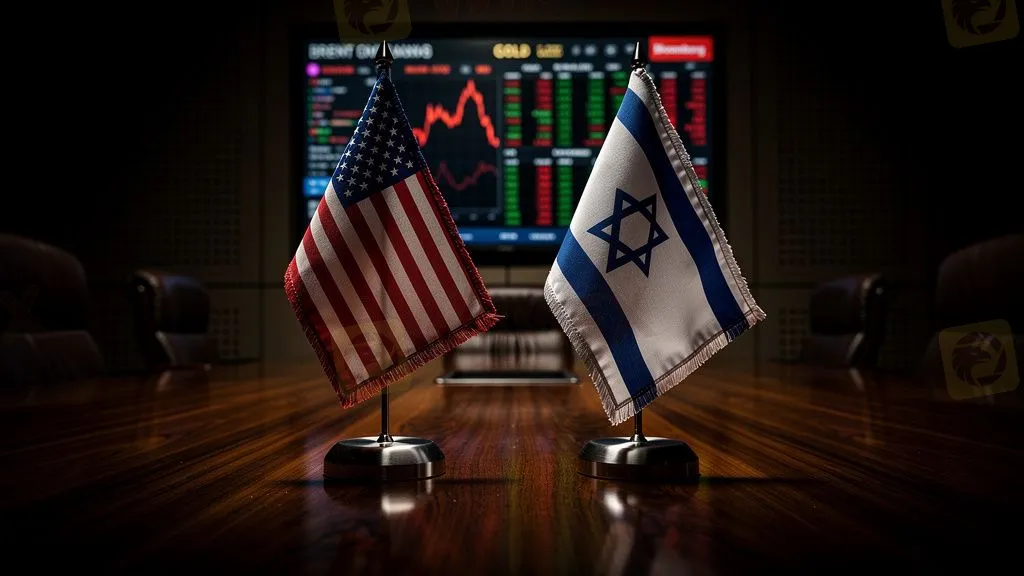
Global markets are bracing for a week of heightened geopolitical stakes as incoming US President Donald Trump prepares for a critical summit with Israeli Prime Minister Benjamin Netanyahu, while tensions in Eastern Europe flare following fresh warnings from Moscow.
Trump-Netanyahu: Defining the “Trump Doctrine” 2.0
The upcoming closed-door meeting between Trump and Netanyahu is poised to set the strategic baseline for the Middle East. While the US-Israel alliance remains the bedrock of Washington‘s regional policy, the summit will test the alignment between Trump’s transactional “America First” approach and Netanyahus hardline security agenda.
- The Iran Factor: The most significant variable for energy markets remains Iran. Netanyahu is expected to present options ranging from joint US-Israeli strikes to unilateral Israeli action against Tehran. However, analysts note the White Houses reluctance to engage in a new Middle Eastern war, preferring economic leverage or proxy containment.
- Oil Market Implications: Should the rhetoric shift toward military escalation against Tehran, Brent Crude and WTI could see renewed volatility, pricing in supply disruption risks in the Strait of Hormuz. Conversely, a push for a diplomatic “Grand Bargain” involving Saudi Arabia could deflate geopolitical risk premiums.
Eastern Front: Lavrovs Warning to Europe
Parallel to the Middle East tension, the conflict in Ukraine faces a precarious diplomatic window. Russian Foreign Minister Sergey Lavrov has explicitly labeled Europe the “main obstacle to peace,” warning that European military involvement in Ukraine would be considered legitimate targets.
This rhetoric coincides with intensified Russian strikes on Ukraines energy infrastructure, including the Kherson region, further threatening European energy security. For FOREX traders, this renewed friction adds headwinds to the EUR, while supporting Safe Haven demand for Gold (XAU/USD) and the Swiss Franc (CHF).
Analyst View
The simultaneous flare-up in two major geopolitical theaters suggests that the “Risk-Off” sentiment may dominate early trading sessions. Traders should monitor the US Dollar Index (DXY) as a primary beneficiary of safety flows if diplomatic signaling turns hawkish in both Tel Aviv and Moscow.
Read more
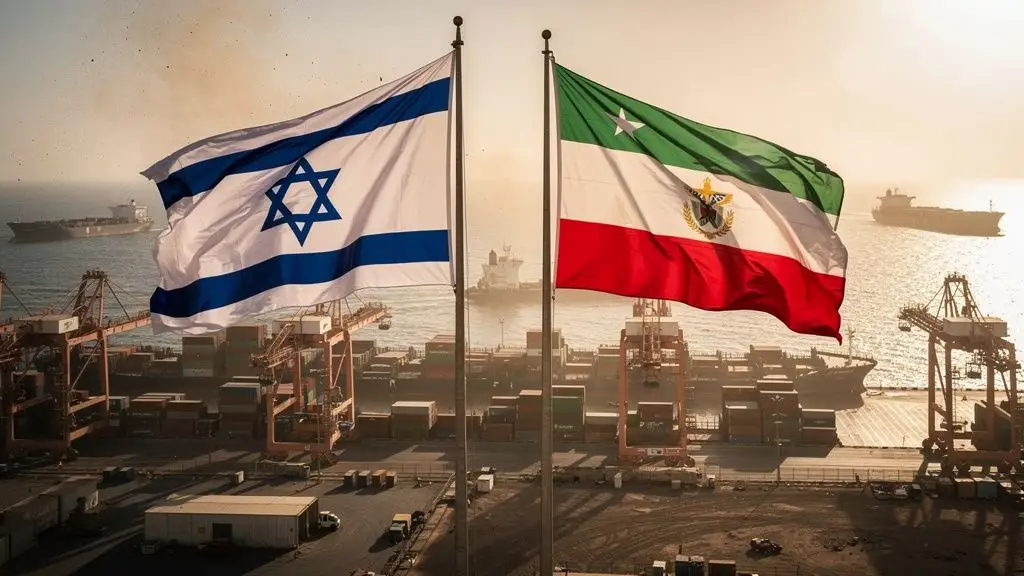
Israel's Recognition of Somaliland Sparks Red Sea Geopolitical Concerns; Oil and Safe Havens in Focu
Israel has formally recognized Somaliland as an independent sovereign state, signing a diplomatic agreement that has triggered immediate furor from the Somali government. While the diplomatic rift is regional, the strategic implications extend to the Red Sea shipping lanes, a critical artery for global trade and energy supplies. For financial markets, this development introduces a new layer of complexity to the Middle East geopolitical risk premium, potentially influencing Crude Oil (WTI/Brent) and Safe Haven flows.
50% Tariff Imposed on India: The Sectors That Will Be Hit the Hardest
Finally, the day (August 27, 2025) arrived that India did not want. The imposition of 50% tariff by the US administration on most products exported from India. As per the US, the tariff is largely due to India continuing to purchase Russian oil. The extra 25% duty was added over 25% imposed at the beginning of August 2025 as India refused to stop purchasing Russian crude and defence hardware. Check out the sectors that will be hit the hardest with this tariff increase.
Musk, Dimon, McMahon: 20 Trump advisers to reopen the US economy - Business Insider
Apple CEO Tim Cook, Dallas Mavericks owner Mark Cuban, and former Secretary of State Condoleezza Rice also made the cut.
Trump retweets call to fire Fauci who said US response will cost lives - Business Insider
It's not clear whether it's more than a vague threat, but Trump has fired several prominent public servants over the last few weeks.
WikiFX Broker
Latest News
Bull Waves Regulation Uncovered: A Deep Look into Their FSA License and Safety
WikiFXOPEC+ Stands Pat: Output Steady Amidst Geopolitical Storm
WikiFXXTRADE Broker Analysis: Understanding XTRADE Regulation & Verified XTRADE Review
WikiFXOil Markets on Edge: OPEC+ Holds Firm Amid Venezuelan Turmoil
WikiFXGeopolitical Shock: Trump's Venezuela Raid Sparks Oil Volatility & Impeachment Threats
WikiFXOne Click, RM1 Million Gone: Penang Retiree’s Social Media Scam Nightmare
WikiFXFed Watch: Paulson See 'Bending' Jobs Market; Yellen Warns of Debt Spirals
WikiFXGlobal Crypto Launch Tax Network to 48 Nations
WikiFXSpanish Regulator Raises Concerns Over Unlicensed Trading Platforms and Messaging-Based Apps
WikiFXOneRoyal Review: A Complete Look at How This Broker Performs
WikiFXRate Calc

