SparkFX Review 2025: Unverified Dubai Claims and Rising Risks in the Arab Market
Abstract:An in-depth review of SparkFX (Score 1.82) investigating claims of a Dubai license, expansion into Arabic markets, and reports of unfair account bans.
Targeting the Arab World Through Aggressive Marketing
In recent months, SparkFX (operating via spkfx.com) has aggressively ramped up its promotional activities, with a noticeable strategic pivot toward Arabic-speaking regions. A review of their social media presence, particularly on Facebook and Telegram, reveals a steady stream of Arabic content designed to attract investors from the Middle East.
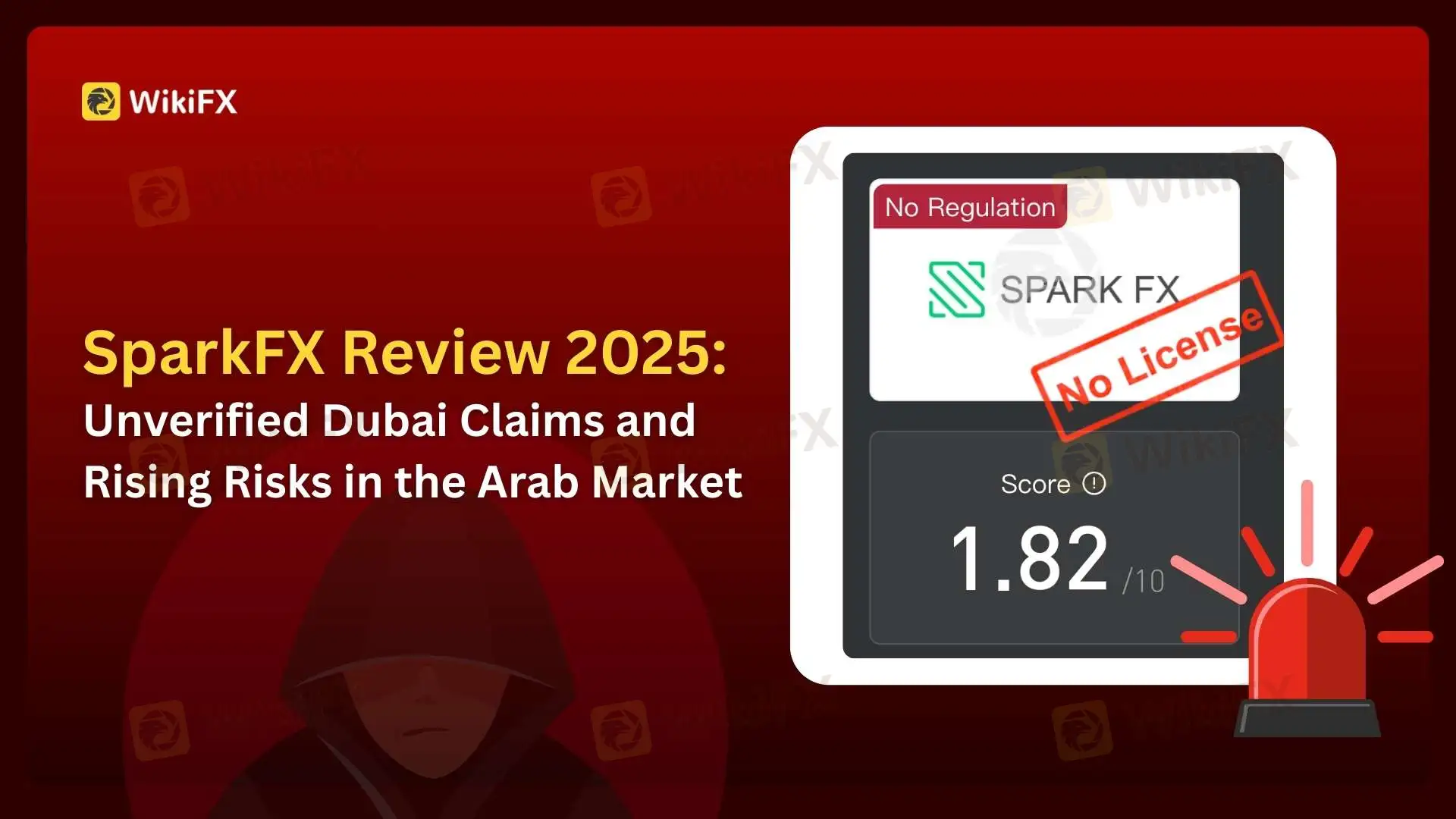
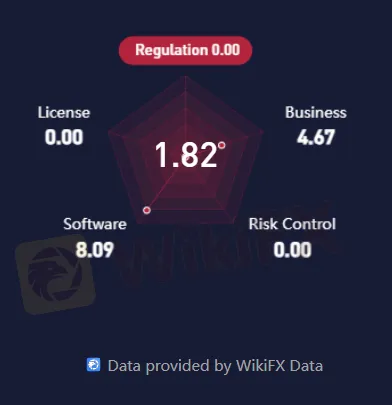
However, a significant disconnect exists between this polished marketing façade and the broker's fundamental safety metrics. According to the latest assessment by WikiFX, SparkFX holds a comprehensive score of just 1.82 out of 10. This rating places it firmly in the “Danger” category, signaling that the platform lacks the robust compliance infrastructure required to ensure the safety of client funds.
The Reality Behind the Dubai License Claims
One of the primary selling points for brokers targeting the MENA region is local licensure, which usually offers traders a layer of security and legal recourse. Reports suggest that SparkFX has been positioning itself as a licensed entity in Dubai to gain credibility with its new audience.
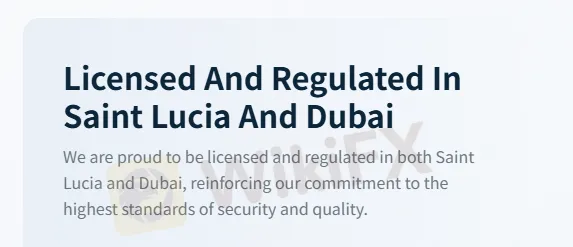
Verification efforts paint a concerning picture. There are no public records linking SparkFX to a valid license from the Dubai Financial Services Authority (DFSA) or other reputable UAE regulatory bodies. WikiFX data reinforces this by showing a score of 0.00 for both the Regulation and License indices. The system has issued a specific warning stating that the broker currently has “no valid forex regulation,” suggesting that any claims of Dubai licensure are unsubstantiated and effectively leave investors without legal protection.

Account Suspensions Caused by Multiple Device Usage
Beyond the regulatory vacuum, the practical experience of traders on the platform raises serious questions about operational fairness. A particularly troubling complaint comes from a user named Mohammed, whose experience highlights how restrictive terms can be used to freeze capital.
Mohammed reported that his trading account was suspended shortly after he downloaded the broker's app. When he sought an explanation, SparkFX support cited a violation of trading terms, specifically accusing him of “opening the account on more than one device or browser.” In the modern financial landscape, accessing a trading account via both a smartphone and a laptop is a standard practice for nearly every trader. Using such a common workflow as a justification to suspend an account—and seize both the principal and profits—indicates a trading environment where the odds may be stacked against the client.

Final Verdict and Safety Recommendations
The evidence surrounding SparkFX paints a clear picture of a high-risk entity. The combination of a low safety score, lack of verifiable regulation, and documented instances of unfair account closures suggests significant danger for retail investors.
Traders are strongly advised to approach this platform with extreme caution. The risk of capital loss due to regulatory loopholes or arbitrary policy enforcement is high. The safest course of action is to choose brokers that hold verified licenses from recognized Tier-1 authorities to ensure your funds are protected by law.

Read more
IC Markets Global Review for South Asian Traders: A Global License Isn't the Same as Local Permit
IC Markets Global review for South Asian traders. Learn how to separate the contracting entity, offshore licence, local forex rules, payment route, platform claims, and unverified online withdrawal discussions before opening or funding an account.
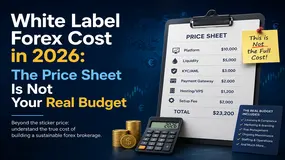
White Label Forex Cost in 2026: The Price Sheet Is Not Your Real Budget
A white label forex can look like the fastest route to a modern branded trading environment, but a fast launch is not the same as a controlled launch. This 2026 broker guide explains what the white label platform is, where a provider broker solution can sit in a wider operating stack, and how to evaluate the difference between a white label, a server license, and a connected CRM or Client Office setup. It also unpacks white label forex costs beyond the monthly headline, including implementation, integration, support, data, governance, migration, and exit assumptions. Use the practical questions, workflow tests, comparison table, and launch checklist to assess a white label provider without mistaking a feature demo for evidence that your brokerage can run the service safely at scale.
Trade W Expands UAE Presence as Tradewill Secures CMA Category 5 Licence
Tradewill Financial Services L.L.C SOC ("Tradewill UAE"), the UAE entity supporting the Trade W brand, has been granted a Category 5 Licence by the UAE Capital Market Authority (CMA). According to the company, the approval forms part of the Tradewill Group's broader international expansion and establishes its licensed presence in the United Arab Emirates.
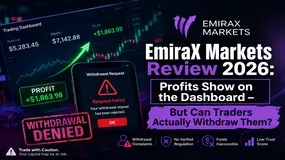
EmiraX Markets Review 2026: Profits Show on the Dashboard - But Can Traders Actually Withdraw Them?
EmiraX Markets, a Comoros-based brokerage firm, is constantly receiving criticism from users worldwide, including those in Indonesia, Malaysia and Hong Kong. These users have reportedly accused the broker of holding their withdrawals without any reason. While some users claimed that profits were shown on the dashboard, while attempting to withdraw them, they were allegedly denied by the trading enterprise. In this EmiraX Markets review 2026, we have examined user allegations against the brokerage firm.
WikiFX Broker
Latest News
iFX Brokers Review: Is Your Deposit Safe?
 WikiFX
ONE ROYAL Faces SCM Malaysia Warning , What Traders Should Verify Before Funding an Account
WikiFXASIC Crackdown Hits 5-Year High: 150 Rogue Operators Banned
WikiFXMoneycorp Review: Is This Broker’s License Really Telling the Truth?
WikiFXBYBIT Review: Unregulated Broker Warning After Withdrawal Complaints and Forex Profit Disputes
WikiFXSECP Refers Blink Capital to FIA Over Rs446.6m Alleged Fraud
WikiFXHow to Start a Forex Broker in 2026: Build the Operating Model Before You Buy the Platform
WikiFXEMAR MARKETS Review 2026: Severe Withdrawal Complaints and Risk Signals
WikiFXTrader's Way Review: Trades Vanished Overnight , And There's No Regulator to Call
WikiFXLockwood Review: AMF-Blacklisted Broker with Users Reporting Blocked Withdrawals
WikiFXRate Calc

