LQH Markets Broker and Regulation Review
Abstract:LQH Markets is unregulated, with claims of offshore licenses in Comoros and St. Lucia that do not provide valid forex regulatory oversight.
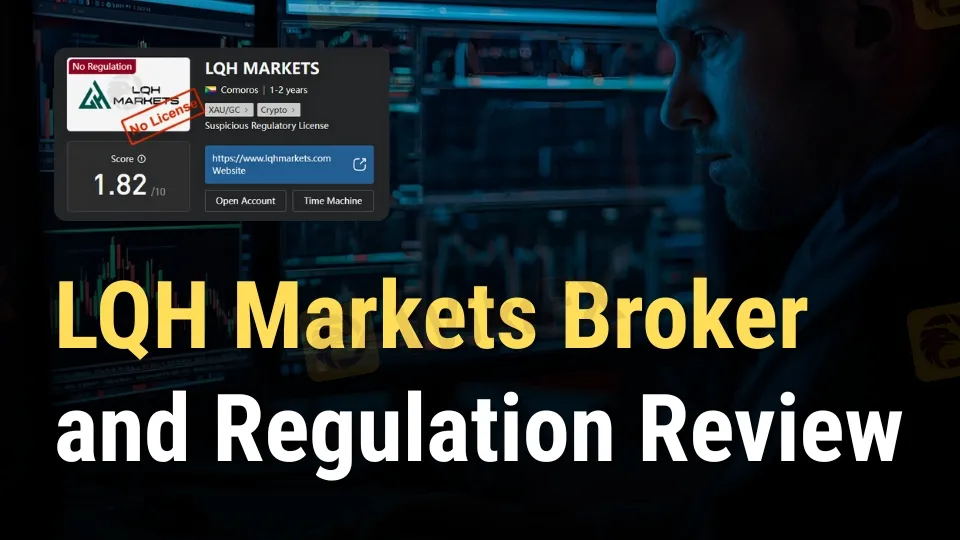
LQH Markets presents itself as a global online forex and CFD provider, but the information visible in the attached materials raises serious concerns about its regulatory status, operational transparency, and overall suitability for retail traders.
LQH Markets Regulation Status
The broker prominently advertises offshore licenses in the Union of Comoros and Saint Lucia, yet these entities do not operate as recognized forex regulators with the kind of investor‑protection framework seen in jurisdictions such as the UK, EU, Australia, or Dubai. LQH Markets' regulation, therefore, amounts to registration with lightly supervised offshore registries rather than genuine prudential oversight, leaving clients without credible recourse if disputes or insolvency occur.
The company profile in the image shows no authorization from tier‑1 bodies such as the FCA, ASIC, CySEC, MAS, or NFA, and the broker is explicitly classified in the review table as “No license” despite its own marketing banners. This mismatch between marketing claims and the regulatory summary is a major red flag, especially for traders who prioritize the security of segregated funds and compensation schemes.
Company Background and Domain Data
In the company profile section, LQH Markets is listed as an offshore entity with a corporate address in a non‑major financial center, and the broker operates via the domain lqhmarkets.com. The same profile indicates only a few years of operation, suggesting a relatively new broker without a long‑term track record of handling client funds through different market cycles.
The domain information table notes that the website is hosted offshore and that there is no connection to a long‑established financial conglomerate or listed parent company. Combined with the absence of audited financials or published ownership information, this makes it difficult for traders to verify who ultimately controls the brokerage.
Trading Instruments and Market Coverage
According to the product overview, LQH Markets offers forex pairs, indices, commodities, metals, and cryptocurrencies as contracts for difference. The emphasis is on speculative CFD trading rather than exchange‑traded products, which concentrates both pricing and counterparty risk within the broker.[1]
The instruments list in the screenshot shows access to major, minor, and some exotic forex pairs, alongside key stock indices and gold, silver, and crude oil. Crypto CFDs are also mentioned, but there is no indication of spot custody or on‑chain settlement, meaning all positions remain synthetic bets against the brokers internal book or its liquidity providers.
Account Types, Spreads, and Leverage
The account comparison table displays at least three account types, typically distinguished by minimum deposit requirements and spread structures. For the lowest‑tier account, spreads on major pairs start from around 1.8 pips, which is relatively wide compared with leading regulated brokers that often quote raw or sub‑1‑pip spreads on EUR/USD.
Higher‑tier accounts appear to advertise narrower spreads, but they require larger initial deposits and may still apply commission or mark‑ups that are not clearly detailed in the captured material. Leverage is advertised up to 1:500 on forex, a level that significantly amplifies risk and would not be allowed for most retail clients under European or UK rules.
Deposits, Withdrawals, and Fees
The payments section shows that LQH Markets accepts deposits via bank transfer, credit card, and several e‑wallet or crypto payment services. Minimum deposit levels are positioned as accessible for retail traders, yet the broker highlights “no added fees,” language that can obscure potential currency conversion charges, payment‑processor costs, or in‑house withdrawal fees.
The withdrawal process description is thin on documentary requirements, processing times, and possible restrictions, with no clear reference to segregated client accounts or third‑party reconciliation. In an unregulated environment, this lack of granular disclosure increases the risk of delays, selective processing, or disputes around withdrawal eligibility.
Platforms, Tools, and Execution
LQH Markets heavily promotes MetaTrader 5 (MT5) as its primary trading platform, presenting screenshots of desktop and mobile terminals with standard technical indicators and order types. MT5 is a robust third‑party platform, but its presence alone says nothing about the underlying brokers dealing practices or execution quality.
The marketing panels refer to features such as fast execution, low latency, and access to advanced charting; however, the review summary flags “slippage” and “execution issues” raised by some users. There is no detailed explanation of whether the broker operates a pure STP/ECN model or runs a dealing desk, nor is there any reference to best‑execution monitoring by an external regulator.
LQH Markets Broker User Feedback
The user review section attached to the image contains a mix of ratings, but multiple comments point out difficulties with withdrawals, performance anomalies, and spreads widening unexpectedly during active sessions. Several reviewers show screenshots of trading histories to support claims of slippage, order rejection, or abnormal price spikes on LQH Markets broker accounts.
While any broker will attract some negative feedback, the pattern here aligns with the regulatory concerns: clients report problems that would normally trigger formal complaints or regulatory intervention at a supervised broker, yet there is no evidence of such mechanisms. The overall user‑rating score is mediocre rather than strong, undermining the brokers promotional claim of offering a superior trading environment.
Pros and Cons of LQH Markets
The contents of the image allow a balanced summary of advantages and drawbacks for potential clients. Traders should weigh these points carefully before funding an account with an offshore provider lacking robust LQH Markets regulation.
| Aspect | Pros | Cons |
| Regulation and safety | Simple onboarding and offshore registration enable quick account opening. | No authorization from major regulators; offshore licenses in Comoros and Saint Lucia offer little practical protection. |
| Trading conditions | Access to forex, indices, commodities, metals and crypto CFDs from a single platform. | Wide spreads on entry‑level accounts, very high leverage up to 1:500 and reports of slippage and execution issues. |
| Platforms and tools | MT5 available on desktop and mobile with standard charting and EAs. | No proprietary risk‑management tools, no independent oversight of execution quality or pricing. |
| Funding and withdrawals | Multiple funding channels, including cards, bank transfer and online payment options. | Limited clarity on withdrawal rules, fees and processing times; user complaints about delayed or disputed payouts. |
| Reputation | Some positive comments from users who like the interface and leverage. | Mixed to negative overall sentiment, with several reviewers warning others to avoid the broker. |
Comparison with Regulated Competitors
Compared with large, well‑regulated brokers that hold FCA, CySEC, ASIC, or similar licenses, LQH Markets operates in a much weaker control environment with minimal disclosure requirements. Established competitors typically maintain segregated client accounts, publish audited financials, and participate in investor‑compensation schemes, none of which appear in the LQH Markets profile.
In terms of pricing, the 1.8‑pip starting spread on majors is uncompetitive relative to many regulated brokers that now quote tighter spreads, sometimes near zero with a transparent commission. Regulated firms are also required to publish information on execution statistics and conflicts of interest, while LQH Markets offers only marketing slogans and user testimonials.
Overall Risk Assessment and Bottom Line
Taken together, the offshore registration, missing top‑tier license, high leverage, and recurring user complaints create a risk profile that conservative traders may find unacceptable. LQH Markets' regulation is effectively absent in any meaningful protective sense, leaving client funds exposed to the operational and credit risk of an opaque, lightly supervised entity.
For experienced traders who understand the implications of dealing with an offshore CFD provider and are prepared to treat any deposit as fully at‑risk capital, LQH Markets broker accounts may offer speculative access to MT5 with a broad product range. However, traders seeking long‑term, regulated relationships, transparent pricing, and reliable withdrawal procedures will likely be better served by choosing a broker overseen by a recognized financial authority rather than relying on LQH Markets offshore claims.


Read more
Is Herofx a Real Company? A Fact-Based Look at This Risky Trading Platform
Many people who trade online, whether they're just starting out or have been doing it for years, want to know: "Is Herofx legit?" When you look online, you'll find a confusing mix of information. Some people write great reviews, while others say it's a "Herofx scam." This makes it really hard to figure out if it's safe to invest with this company. Our goal in this article is to clear up the confusion. We'll do a complete and fair check based only on facts we can verify, reports from real users, and official information from WikiFX, a website that checks trading companies worldwide. We won't just repeat what the company says about itself or trust anonymous positive reviews. Instead, we'll show you the real evidence and give you a clear answer about the risks of using Herofx, so you can make a smart and safe choice for your trading.
Herofx Complete Review: A Detailed Look at a High-Risk, Unregulated Broker
If you are looking for a Herofx review, your main question is probably about its safety and whether it's legitimate. Let's answer that right away. After carefully studying how it works and what users have experienced, Herofx presents a major risk to traders. The main problem is that it's an unregulated broker. Registered in Saint Lucia, Herofx operates without supervision from any top-level financial authority, which is essential for keeping client capital safe and ensuring fair trading practices. This lack of regulation shows up in its extremely low score of 2.04 out of 10 on independent broker checking platforms such as WikiFX, which clearly warns traders to stay away. Our research shows a pattern of serious problems, from questionable fees to major platform failures. This review will give you an objective, fact-based analysis of Herofx's regulatory standing, advertised trading conditions, user-reported problems, and our final, clear verdict. We strongly encourage you to consider th
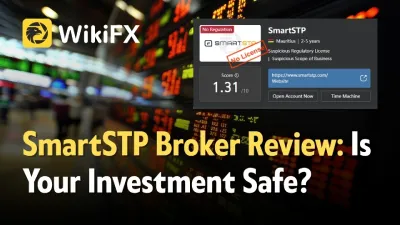
SmartSTP Scam Warning? Unbiased Review, Regulation & 2025 Exposure Cases
Considering SmartSTP for Forex trading? Read our in-depth SmartSTP review to uncover critical regulation gaps, alarming WikiFX scores, and real 2025 scam reports. Protect your funds – learn the truth before you SmartSTP login.
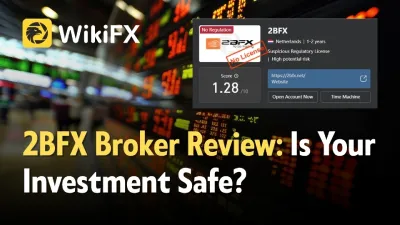
2BFX Scam Warning? Unbiased Review, Regulation & 2025 Exposure Cases
Considering 2BFX for Forex trading? Read our in-depth 2BFX review to uncover critical regulation gaps, alarming WikiFX scores, and real 2025 scam reports. Protect your funds – learn the truth before you 2BFX login.
WikiFX Broker
Latest News
Warning: Is FIBOGROUP Broker Safe? The Dark Reality of Withheld Funds
 WikiFX
"Let Trust Be Seen" WikiFX Industry Initiative Recap, Driving the forex industry toward a more trust
WikiFXYou Must Know How These Psychological Traps Destroy Financial Judgment
WikiFXAllied Top Review 2026: Is this Forex Broker Legit or a Scam?
WikiFX"Let Trust Be Seen" WikiFX Industry Initiative Recap, Driving the forex industry toward a more trust
WikiFXDeriv Review 2026: Is this Forex Broker Legit or a Scam?
WikiFXDubai Warning Issued After Fraudsters Impersonate a Legitimate DIFC Financial Firm
WikiFXItaly Blocks 32 More Unauthorized Financial Websites
WikiFXNew Traders Keep Losing — And It's Not Because of Their Strategy
WikiFXFXTM Moves to Deepen UAE Presence with Planned Licence Upgrade
WikiFXRate Calc
