Thailand Strikes Back: Online Scam Losses Plunge ฿195M+

Abstract:Thailand’s Anti-Cyber Scam Centre (ACSC) reported 392 fewer online scam cases and a 31.4% week-on-week drop in losses—over ฿195 million saved—driven by police suppression and public awareness. Authorities caution that syndicates are relocating and exploiting events (e.g., southern floods). While online purchase fraud remains most common, “reward transfer” scams now cause the highest losses, surpassing investment scams.
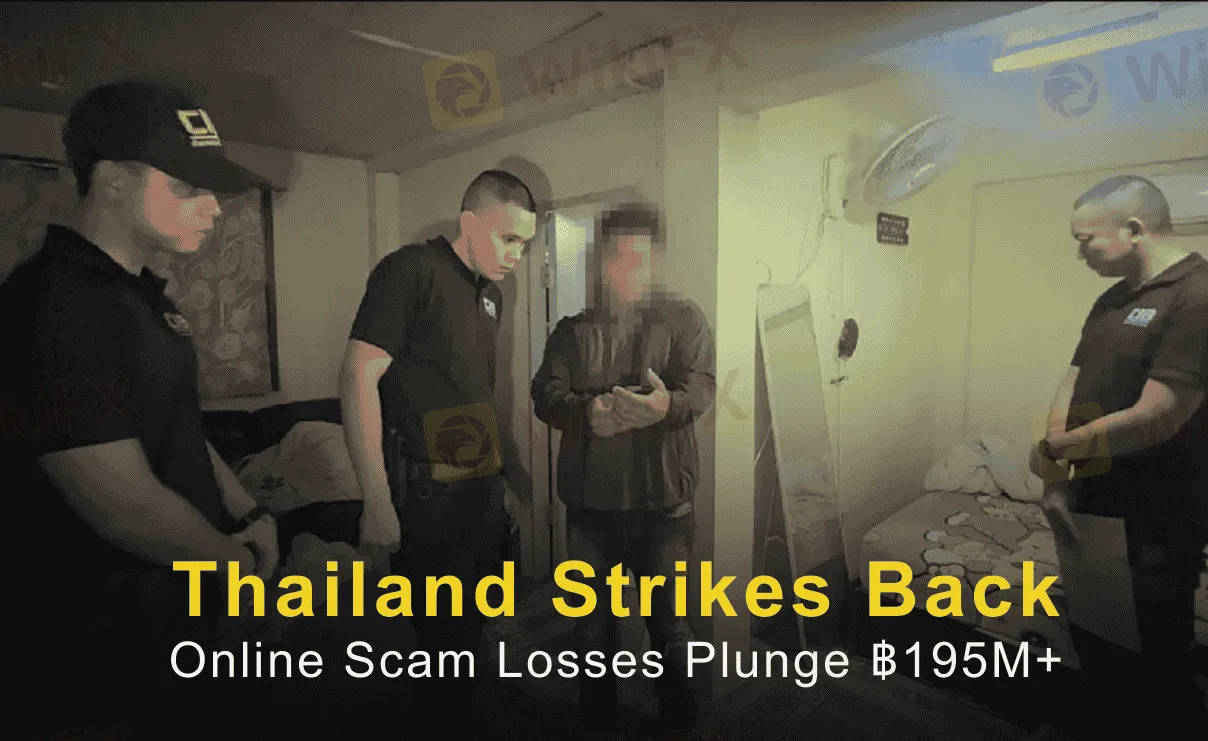
The Royal Thai Police‘s Anti-Cyber Scam Centre (ACSC) has released its latest weekly update showing a clear drop in online scam activity and losses. From 23–29 November, 6,533 cases were lodged via the Thai Police Online platform, with reported losses totalling 424.78 million baht. That’s 392 fewer cases than the week before and a reduction of 195.75 million baht in damages. Overall, reported losses fell by 31.40%, a sign that enforcement efforts and ongoing public awareness campaigns are having an impact.
Thai authorities caution, however, that the recent clampdowns are pushing syndicates to regroup and move. A major raid on the Shwe Kokko scam hub in Myanmar—where between 900 and 1,700 foreign suspects were detained—has triggered what police describe as “the great displacement,” with networks relocating and looking for new openings. At the same time, Thailands crackdown on mule accounts is making it harder for scammers to move money, adding further pressure on these groups to change tactics.
One worrying trend is the exploitation of real-world crises. With the southern provinces battling floods, scammers are reportedly using fake base stations to blast out bogus emergency alerts and compensation messages. Disinformation campaigns are also targeting anxious residents, preying on those seeking quick help or updates. Malaysia is seeing similar tactics: fraudulent SMS and WhatsApp messages impersonating government agencies, plus fake Facebook pages soliciting “emergency” donations and urging immediate transfers without verification.
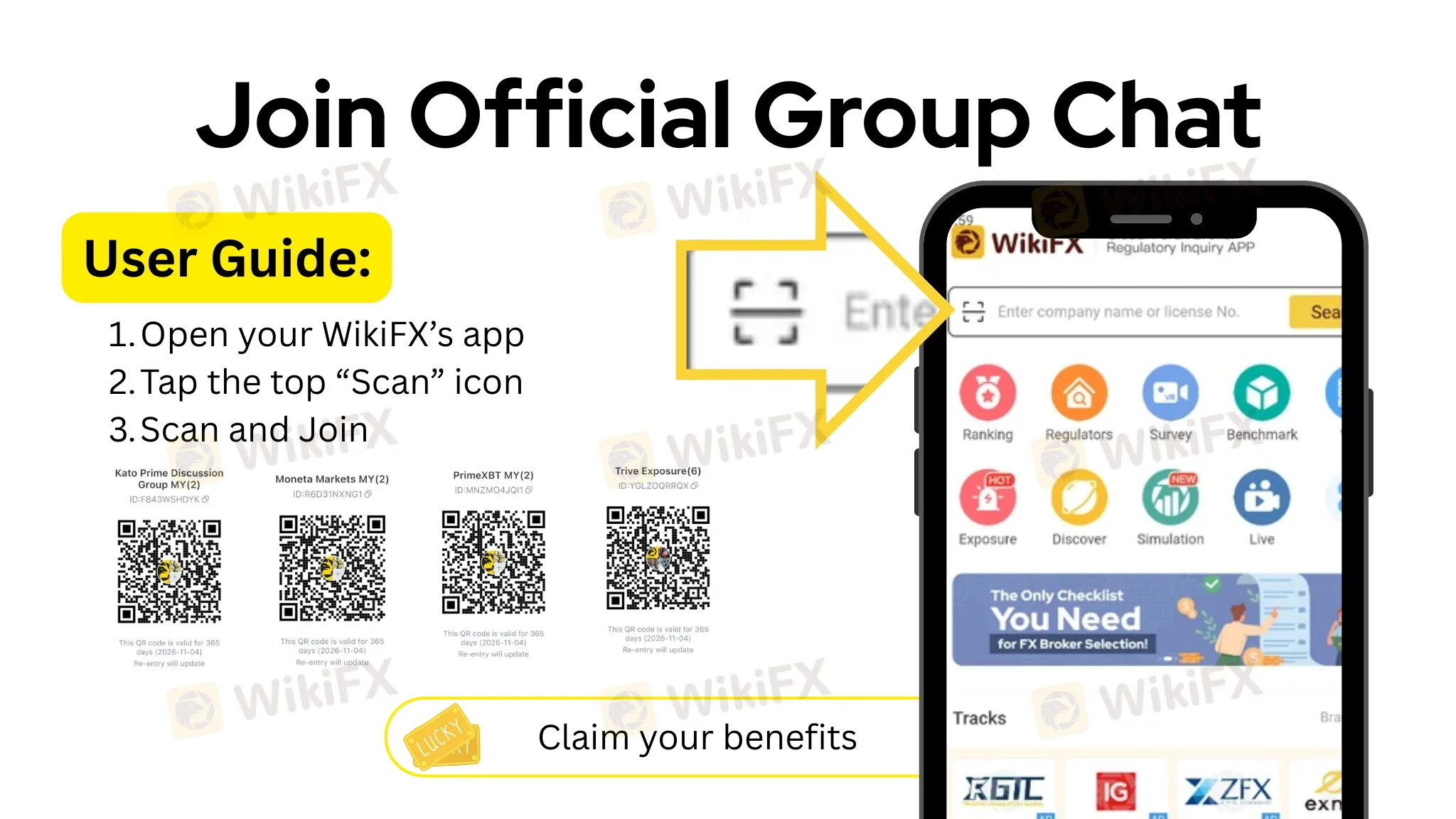
For Malaysians, the takeaway is straightforward: stay sceptical of offers or alerts that seem urgent, lucrative, or too convenient. Before putting money into any online investment, check whether the platform is licensed and regulated. Tools like the WikiFX mobile app (on Google Play and the App Store) allow users to search brokers, verify regulatory status, read reviews, and assess safety ratings—useful steps to avoid unlicensed platforms and understand the risks before you commit funds.
As always, if an opportunity looks effortless or promises outsized returns, treat it as a red flag. Online scams evolve quickly, but a little due diligence goes a long way in keeping your money safe.
Read more
BlackBull Markets User Reputation: Looking at Real User Reviews and Common Problems to Judge Trust
When traders ask, "Is BlackBull Markets safe or a scam?", they want a simple answer to a hard question. The facts show two different sides. The broker began operating in 2014 and has a strong license from New Zealand's Financial Markets Authority (FMA). It also has an "Excellent" rating on review sites such as Trustpilot. But when searching for "BlackBull Markets complaints," you find many negative user stories, including withdrawal issues and poor trading conditions. This article goes beyond simple "safe" or "scam" labels. We want to carefully look at both the good reviews and common problems, comparing them with how the broker actually works and its licenses. This fact-based approach will give you the full picture of its user reputation, helping you make your own smart decision.

Is BlackBull Markets Legit? An Unbiased 2026 Review for Traders
Is BlackBull Markets legit? Are the "BlackBull Markets scam" rumors you see online actually true? These are the important questions every smart trader should ask before exposing capital to markets. The quick answer isn't just yes or no. Instead, we need to look at the facts carefully. Our goal in this review is to go beyond fancy marketing promises and do a complete legitimacy check. We will examine the broker's rules and regulations, look at its business history, break down common user complaints, and check out its trading technology. This step-by-step analysis will give you the facts you need to make your own smart decision about whether BlackBull Markets is a good and safe trading partner for you.
A Clear BlackBull Markets Review: Trading Conditions, Fees & Platforms Explained
This article gives you a detailed, fair look at BlackBull Markets for 2026. It's written for traders who have some experience and are looking for their next broker. Our goal is to break down what this broker offers and give you facts without taking sides. We'll look at the important things that serious traders care about: how well they're regulated, what trading actually costs, what types of accounts you can get, and how good their technology is. We're not here to tell you to use this broker - we want to give you the facts so that you can decide if it fits your trading style and how much risk you're comfortable with. Making a smart choice means checking things yourself. Before you pick any broker, you need to do your own research. We suggest using websites, such as WikiFX, to check if a broker is properly regulated and see what other users say about it.
SGFX User Reputation: Is it Safe or a Scam? A Detailed Look at User Complaints
The most important question any trader can ask is whether a broker is legitimate. Recently, SGFX, also called Spectra Global, has been mentioned more often, leading to many questions: Is SGFX Safe or Scam? Is it a safe platform for your capital, or is it another clever online scam? This article will give you a clear, fact-based answer to that question. Read on!
WikiFX Broker
Latest News
Bull Waves Regulation Uncovered: A Deep Look into Their FSA License and Safety
WikiFXOPEC+ Stands Pat: Output Steady Amidst Geopolitical Storm
WikiFXXTRADE Broker Analysis: Understanding XTRADE Regulation & Verified XTRADE Review
WikiFXOil Markets on Edge: OPEC+ Holds Firm Amid Venezuelan Turmoil
WikiFXGeopolitical Shock: Trump's Venezuela Raid Sparks Oil Volatility & Impeachment Threats
WikiFXOne Click, RM1 Million Gone: Penang Retiree’s Social Media Scam Nightmare
WikiFXFed Watch: Paulson See 'Bending' Jobs Market; Yellen Warns of Debt Spirals
WikiFXGlobal Crypto Launch Tax Network to 48 Nations
WikiFXSpanish Regulator Raises Concerns Over Unlicensed Trading Platforms and Messaging-Based Apps
WikiFXOneRoyal Review: A Complete Look at How This Broker Performs
WikiFXRate Calc

