TradeStation Fined $1.5M for Unregistered Crypto Product
Abstract:SEC fines TradeStation $1.5M for illegal crypto lending, stressing regulatory adherence in finance.
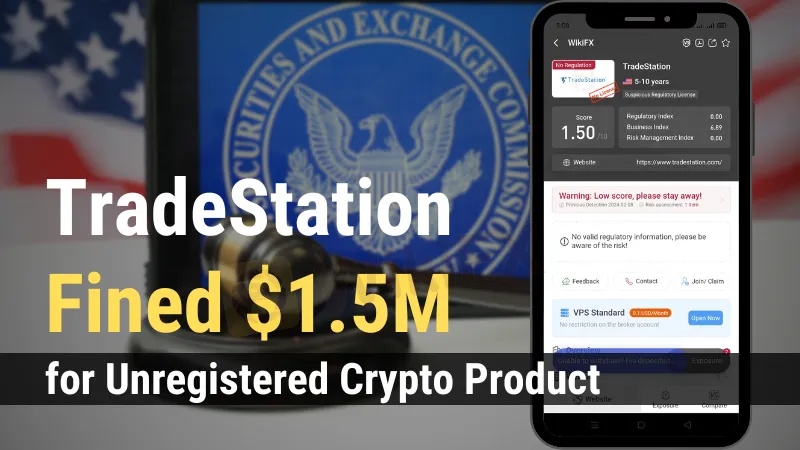
In today's financial news, the SEC, which regulates financial markets, firmly opposes TradeStation Crypto, Inc. This company was in trouble for not following the law when it marketed a cryptocurrency-related product.
This specialized offering was all about lending cryptocurrency. People could deposit their digital money into a TradeStation account, and the firm would give them interest, similar to how banks do with savings accounts. However, TradeStation does not have the right to “register” this offering with the SEC, which is illegal.
TradeStation will pay $1.5 million to correct this issue and continue charging. This payment is a means to resolve the issue without going through a lengthy legal procedure.

Digging further, it turns out that TradeStation began providing this financing option around August 2020. They marketed it as a clever method for customers to generate additional money with their cryptocurrency, adding, “Put your crypto assets to work for you.” TradeStation controlled how to use these assets to create enough revenue to pay consumers' interest.
The SEC highlighted that TradeStation had not completed the necessary paperwork to secure or invest in this financing arrangement. Following these results, TradeStation stopped this service on June 30, 2022, and aims to end all US bitcoin services by February 22, 2024.
TradeStation has agreed to the SEC's fines without admitting guilt but has accepted a cease-and-desist order. This ruling requires them to discontinue any conduct that violates the regulations for offering and selling securities. Along with the SEC penalty, TradeStation is paying an additional $1.5 million to resolve similar violations with state authorities.
This issue emphasizes the need for corporations to adhere to the tight criteria put back and forth by regulatory authorities such as the SEC, particularly in the fast-paced and sometimes confusing world of cryptocurrencies. It serves as a reminder that following laws is critical to preserving the stability and credibility of financial markets.
More of TradeSation


Read more

Succedo Markets Review 2026: The First Withdrawal Worked—What Happened Next?
Most traders who have opened accounts with Succedo Markets, a Saint Lucia-based brokerage entity, have reported withdrawal request denials after a pleasant first experience. Traders globally, including those from India, have made these complaints. Meanwhile, some traders have reportedly taken legal recourse to recover their stuck funds. The critical nature of these complaints made us share this in-depth Succedo Markets review. This review does not only examine user allegations but also shed light on its regulatory framework.
Tattvam Review 2026: Investigating Complaints Concerning Trade Executions
Did you encounter trade-related concerns with Tattvam, a Mauritius-based brokerage entity? Several users have reportedly accused the broker of cancelling profitable trades, allegedly citing scalping as the reason. At the same time, traders have reportedly expressed concerns over the lack of understanding among the broker officials about critical trading aspects such as copy trading. In this Tattvam review, we have carefully examined user-reported allegations. Additionally, we have given a regulatory overview of the broker.

suxxessfx Review 2026: Funds Worth $5K-$42K Reportedly Lost. Check Our Investigation!
suxxessfx, a Seychelles-based brokerage entity, grabbed massive ire from traders on broker review platforms such as WikiFX, a globally recognized forex broker regulation inquiry app. Exposure reports have revealed fund losses worth over $5K-$42K on the broker’s trading platform. This suxxessfx review examines serious user allegations and its regulatory status. Read on!
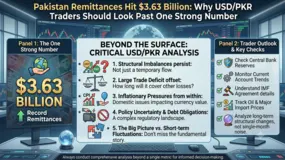
Pakistan Remittances Hit $3.63 Billion: Why USD/PKR Traders Should Look Past One Strong Number
Pakistan remittances reached $3.631 billion in July 2026, up 13% year on year and 4.5% from June, according to the latest State Bank of Pakistan data release. The SBP remittances update is a useful external-sector input, but it is not a currency forecast. This guide explains what the inflow can mean for the Pakistan forex market and USD PKR, and what it cannot prove about the next Pakistan rupee move.
WikiFX Broker
Latest News
Dow Jones Industrial Average round-trips a Fed that promised nothing
 WikiFX
Silver Price Forecast: False breakout and hawkish Fed sink XAG
WikiFXSouth Korean Won: BoK tightening supports KRW against US Dollar – Commerzbank
WikiFXOEXN Broker Review: Regulated but is it Safe for Traders?
WikiFXUSDCHF: Rising Channel Continuation Toward the Target Zone
WikiFXJapanese Yen dips further despite hotter inflation, upbeat employment data
WikiFXPoland: Growth supported by investment rebound – ING
WikiFXBreaking: Nonfarm Payrolls benchmark revision to lower US employment by 79,000 through March 2026
WikiFXMexican Peso tumbles as Warsh embarks on inflation fight
WikiFXEURUSD - BULLISH BIAS
WikiFXRate Calc

