The potential for gold to reach the 2,000 – 2,020 area is very large
Abstract:The US dollar slipped after data showed the number of Americans filing new claims for unemployment benefits hit a three-month high last week, with data showing an increase of 13,000 to 231,000 on week, well above market expectations of 220,000.

Economic News & Analysis
The US dollar slipped after data showed the number of Americans filing new claims for unemployment benefits hit a three-month high last week, with data showing an increase of 13,000 to 231,000 on week, well above market expectations of 220,000.
This suggests that job seekers experience difficulty in finding suitable work. The weakening of the US labor market is in line with the Fed's policy to suppress inflation.
Gold prices rose more than 1% on Thursday as the dollar and Treasury yields slumped, reinforcing expectations that the Federal Reserve will halt its rate hike cycle.
The price of gold on the market rose quite significantly by reaching its highest price of 1,987.86
The dollar index narrowed earlier losses and was flat, while the euro was also little changed at $1.08485.
Indications of a weakening US labor market weigh on Treasury yields. The 10-year Treasury note fell 9.2 basis points to 4.445%, from 4.537% late Wednesday.
2-year debt securities last fell 8.5 basis points to 4.846%, from 4.916%.
The Japanese yen weakened again by reaching its highest price of 151,427 in trading on Thursday (17/11).
Japan's economy contracted faster than expected in the third quarter amid slowing global demand and rising domestic inflation.
The currency also remained near its lowest level in more than three decades as the Bank of Japan reaffirmed its commitment to accommodative monetary policy and made only minor adjustments to yield curve control.
The British pound fell to hit a low of 1.23755, retreating from a two-month high of $1.2505 reached on Tuesday. Data showed that UK inflation fell more than expected in the October period.
This strengthens expectations that the Bank of England will consider lowering interest rates in the middle of next year.
WTI crude oil futures fell 5% and traded to hit a low of 72.15/barrel on Thursday, the lowest since July.
Oil refinery production in China fell 2.8% from the previous month's record in October, indicating a decline in industrial fuel demand in line with slowing industrial activity marked by an unexpected contraction in the country's manufacturing PMI.
In the United States, the latest data from the EIA showed a 7.6% decline in fuel product supplies from the previous week in mid-November.
US stocks closed mixed on Thursday, as traders assessed the latest economic data and earnings reports. The Dow Jones lost 45 points, snapping a 4-day winning streak, while the Nasdaq and S&P 500 ended slightly higher.
Gold Price Prospects for Friday (17/11/23)
Trading Data on Thursday (16/11)
Open: 1,959.85 High: 1,987.86 Low: 1,956.42 Close: 1,981.07 Range: $31.44
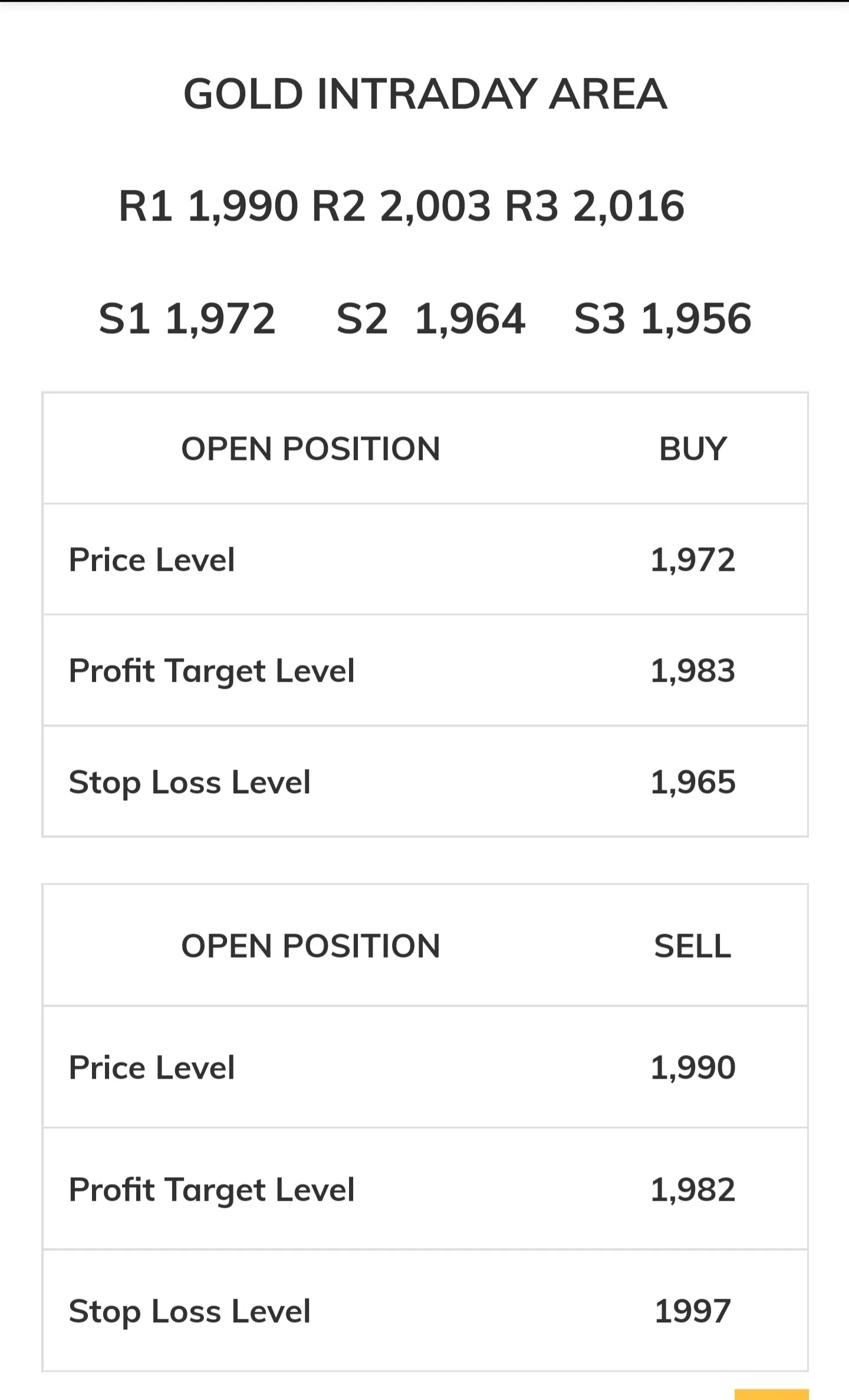
For the Resistance area, gold will test the 1,993.35 price area with a wider push towards the 2,002.41 – 2,009.31 area
For the support area, gold will continue to test the price level of 1,976.17 with deeper pressure towards the 1,968.28 – 1,960.30 area
Oil Price Prospects for Friday (17/11/23)
Trading data on Thursday (16/11)
Open: 76.54 High: 76.61 Low: 72.15.31 Close: 72.93 Range: $4.30
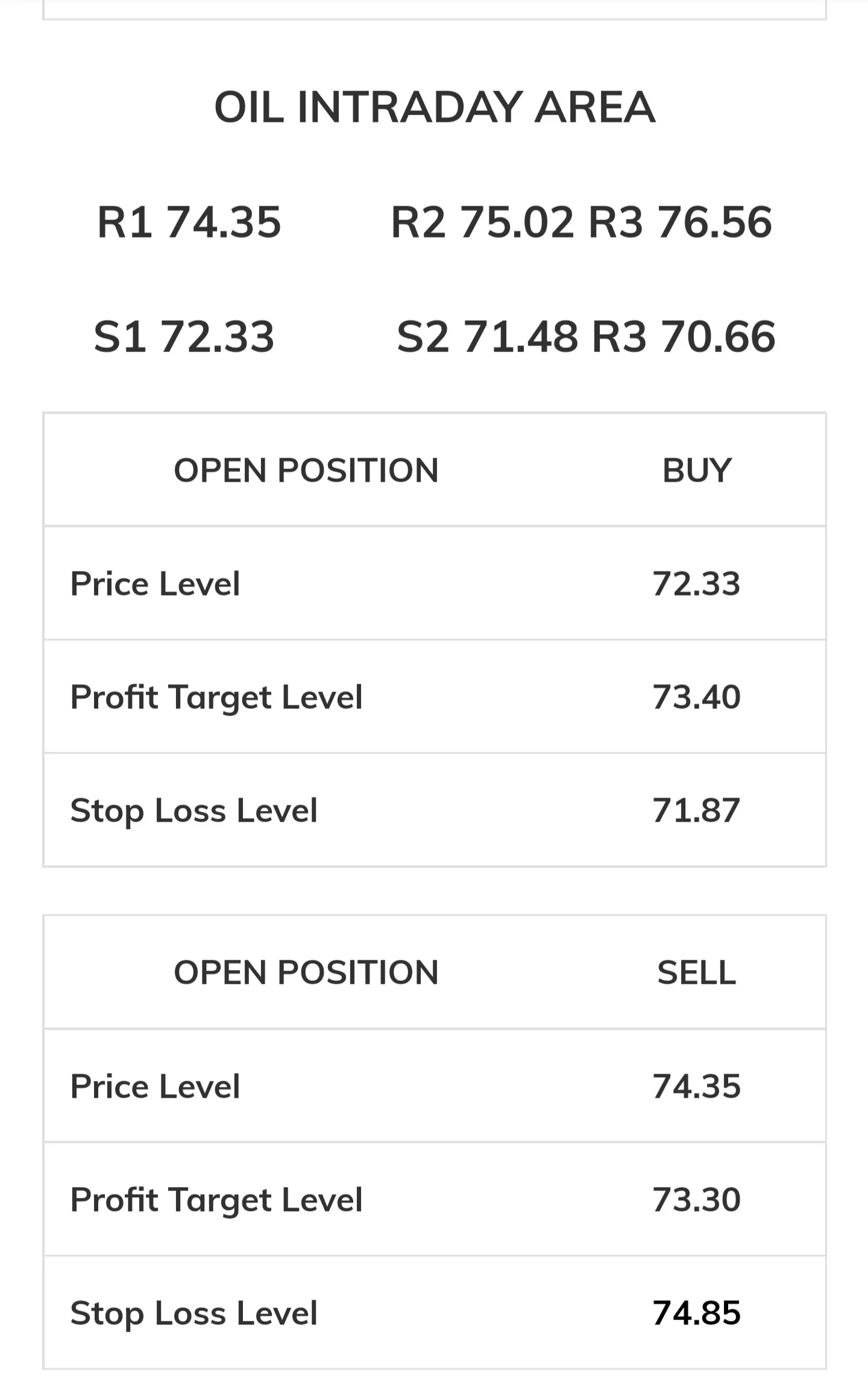
Oil will test the resistance area at 74.35 with a broader push towards the 75.02 – 76.56 area
For the support area Oil will test the 72.33 area with deeper pressure towards the 71.48 - 70.66 area.


Read more

Client Saved via WikiFX Exposure ! Is slay4x Considered a Safe Broker or a Scam in Q4 2026?
Is slay4x Considered a Safe Broker or Suspected of Being a Scam in Q4 2026? Read our detailed analysis on withdrawal delays, regulatory risks, and South Asian trader reviews.

RBI Opens a Daily Dollar Window for Indian Oil, HPCL and BPCL — and Rewrites the Hedging Rules
The Reserve Bank of India will sell dollars directly to Indian Oil, HPCL and BPCL every day from Monday, 12 October, covering what its two Saturday releases called the "entire daily dollar requirements" of the three state-run refiners. The window runs until further notice, with the dollars routed through designated banks. It landed with the rupee near 97 to the dollar. Monday's open told a different story. The currency strengthened about 1%, quoted at 95.76 by The Economic Times and 95.83 by Upstox, while bank stocks slipped.
Versus Trade Review 2026: Trade Report Shows Mixed User Feedback
Versus Trade, a UK-based brokerage company, receives a mix of positive and negative feedback from users worldwide. Some appreciated the pace at which deposits and withdrawals are processed, others claimed withdrawal delays and profit cancellations on the trading platform. This Versus Trade review evaluates both sides while also giving a regulatory overview of the broker.

FOREX.com Review 2026: Deposit & Withdrawal Issues Persist, Traders Claim
FOREX.com, a US-based brokerage firm with over two decades of trading expertise, has received complaints from users on deposits and withdrawals. Users claim deposit failures and a slow fund withdrawal process. Additionally, there are complaints of wide spreads and account liquidation. These allegations have contributed to negative user reviews of FOREX.com. This article investigates user allegations and shares a regulatory overview of the broker.
WikiFX Broker
Latest News
US Interest Rate Forecast: CPI to Test December Fed Hike Bets
 WikiFX
Indias retail inflation jumps to 5.54% in September, above estimates
WikiFXNPBFX Broker Review: Regulated but Is It Safe for Traders?
WikiFXFirst Light News: US CPI, Aussie Jobs and Bank Earnings in Focus
WikiFXUS Dollar Price Forecast: DXY Eyes 102.49, Can EUR/USD Hold 1.1180 Ahead of CPI?
WikiFXIndian Police Arrest Two in Alleged ₹10 Crore Crypto Investment Fraud
WikiFXRM12.47 Million in Cryptocurrency Vanishes From Malaysian Man’s Wallet
WikiFXCMC Markets Secures LSEG Data Deal to Accelerate Global Expansion
WikiFXRetiree Loses RM118,000 Through Fake Stock Investment Website
WikiFXClient Saved via WikiFX Exposure ! Is slay4x Considered a Safe Broker or a Scam in Q4 2026?
WikiFXRate Calc
