The Indian ED seizes Rs 242 crore of assets from TP Global FX for illegal forex trading.
Abstract:The Directorate of Enforcement (ED) of India has launched a significant crackdown on illegal forex trading activities in Ahmedabad, targeting TP Global FX and its associates.
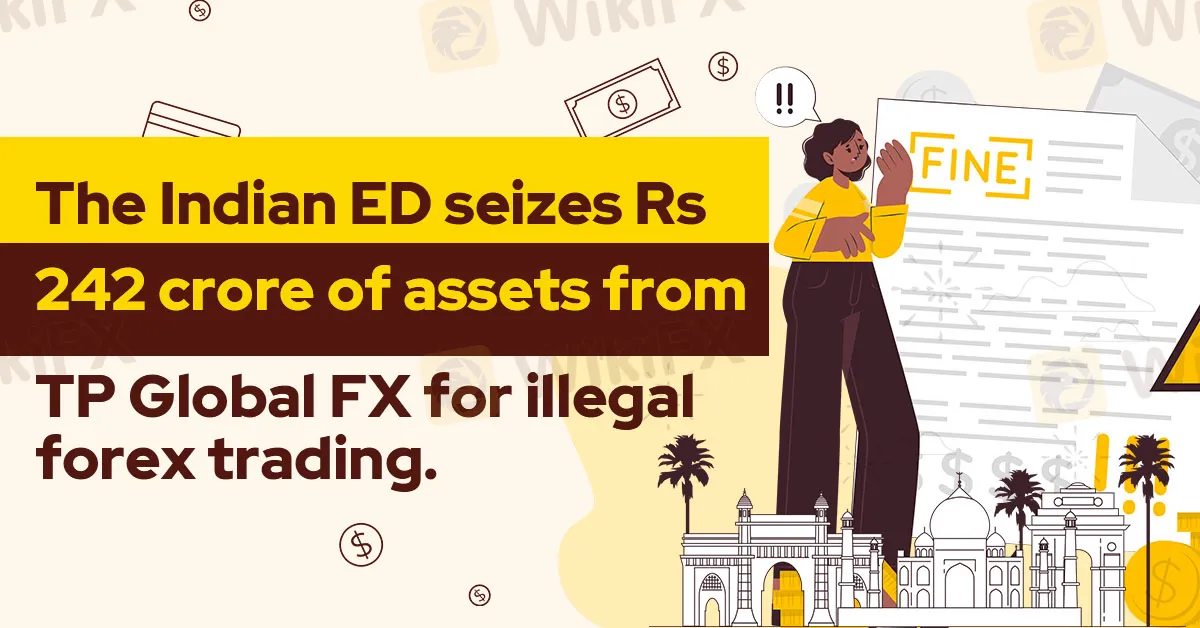
The Directorate of Enforcement (ED) of India has launched a significant crackdown on illegal forex trading activities in Ahmedabad, targeting TP Global FX and its associates. This operation has unearthed a web of financial irregularities, with assets valued at approximately Rs 242.39 crore being seized or attached to date. In a concerted effort to combat money laundering and illicit financial activities, the ED has made substantial progress in uncovering the culprits behind these operations.
Prasenjit Das, Shailesh Kumar Pandey, and Tushar Patel, along with their associates, stand accused of setting up shell companies for illegal forex trading activities. These individuals initiated trading operations under the guise of money exchange without obtaining the necessary licenses or approvals from the Reserve Bank of India (RBI). Their primary tool for these operations was the TP Global FX website.
The ED's Investigation
The Reserve Bank of India took notice of these illicit activities and endeavored to raise public awareness about such schemes. Subsequently, the ED initiated an investigation into TP Global FX's money laundering activities in Ahmedabad. The ongoing probe has already resulted in the discovery of incriminating documents, as well as the seizure of significant assets.
The Arrests
In response to their alleged involvement in these illegal activities, both Prasenjit Das and Shailesh Kumar Pandey have been arrested. The ED is continuing its investigation to uncover the full extent of the money laundering operation and hold all responsible parties accountable.
About TP Global FX

Established in 2017, TP Global FX is a forex and CFD broker. TP Global FX currently doesn't hold any valid regulatory licenses. Their National Futures Association (NFA) license (No. 0533098) in the United States is unauthorized and Vanuatu Financial Services Commission (VFSC) license (No. 40409) is a suspicious clone.
In addition, WikiFX has given this broker a low score of 2.10/10. TP Global FX has been verified to be illegal, and it has been listed in WikiFX's Scam Brokers list. Please be aware of the risk!
Conclusion
The recent crackdown by the Directorate of Enforcement in Ahmedabad highlights the government's commitment to combatting illegal financial activities and money laundering schemes. With substantial assets seized and arrests made, the ED is sending a strong message that those engaged in financial irregularities will be held accountable for their actions. As these investigations continue, it remains to be seen how deep the web of illicit forex trading and money laundering in Ahmedabad truly goes.


Read more
SIMPLEFX Review 2026: Trading Chart Complaints Continue - What Traders Should Know
SIMPLEFX, a Saint Vincent and the Grenadines-based brokerage entity, receives complaints mostly about trading chart manipulations. Generally, while researching broker reviews, complaints usually centre on hassles concerning fund withdrawals. User complaints for this broker have come from many regions, including South Asia. This SIMPLEFX review examines these user allegations and shares its regulatory framework.
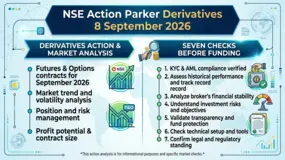
NSE Action Parker Derivatives 8 September 2026 and Seven Checks Before Funding
The NSE action Parker Derivatives 8 September 2026 is a current exchange disciplinary direction, not an expulsion notice. The National Stock Exchange page records a ₹1.5 lakh penalty and tells the member to strengthen supervision of existing Authorised Persons, stop onboarding new Authorised Persons until that work is completed, re-inspect the relevant branch or AP in the next quarter, and comply with prevailing anti-money-laundering rules. Indian clients should distinguish an Authorised Person from the broker itself. The published direction does not say that existing clients must close accounts or that trading membership has been cancelled. Before opening, funding or changing an account, verify the exact firm, website, member status, payment beneficiary and the scope of the latest direction.
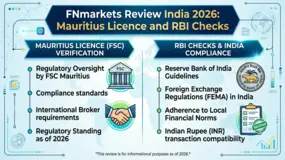
FNmarkets Review India 2026: Mauritius Licence and RBI Checks
This FNmarkets review for Indian readers starts with four verifiable facts. The Mauritius FSC public register lists FNmarkets (Mauritius) Ltd as an Investment Dealer, licensed on 12 August 2025. The broker website identifies the same entity and states licence GB25204149. However, the RBI list of authorised electronic trading platforms checked on 9 September 2026 did not show FNmarkets. The broker's help centre also sets a $50 minimum withdrawal and requires full account verification. These facts do not prove fraud, but they make FNmarkets regulation and payment checks essential before an Indian resident deposits money.
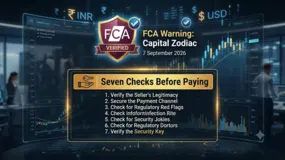
FCA Warning Capital Zodiac 7 September 2026 and Seven Checks Before Paying
The FCA named Capital Zodiac as an unauthorised clone on 7 September 2026. Check capitalzodiac.com, capitalzodiac.net and FRN 806702 before paying.
WikiFX Broker
Latest News
Silver Price Forecast: Head-and-Shoulders risk builds below $67
 WikiFX
Swiss Franc steadies as Fed hike expectations offset safe-haven flows
WikiFXSilver Price Forecast: XAG/USD rises to near $66.40 as US Dollar declines, US CPI in focus
WikiFXNSE Action Parker Derivatives 8 September 2026 and Seven Checks Before Funding
WikiFXMT4 Phase-Out Accelerates as More Forex Brokers Move to MT5
WikiFXIndian Rupee: Stable range with shallow gains against US Dollar – DBS
WikiFXCrude Oil rallies into 14-week highs as US and Iran spend the week attacking tankers
WikiFXGBP/USD Price Forecast: Strengthens above 1.3550, upside bias intact while holding above 100-day SMA
WikiFXUS President Trump pins Iran endgame on midterms, open to talks
WikiFXSouth Korean Won: Gains seen moderating after sharp repricing – DBS
WikiFXRate Calc

