Bank of England surprisingly raises its interest rate by 0.50%
Abstract:On Friday, the FTSE 100 experienced a 0.3% decline, reaching the 7480 milestone. This marks a fifth consecutive session of drops, resulting in a total 2% decrease for the week. The market is still adjusting to a series of interest rate hikes and the possibility of further monetary constraint.

On Friday, the FTSE 100 experienced a 0.3% decline, reaching the 7480 milestone. This marks a fifth consecutive session of drops, resulting in a total 2% decrease for the week. The market is still adjusting to a series of interest rate hikes and the possibility of further monetary constraint. To everyone's surprise, domestic retail sales rose in May, highlighting the UK economy's continued vigor in the face of the Bank of England's forceful tightening initiative, providing a window for additional increases.
INDICES
European stock markets extended their losses for the fifth straight session on Friday, and the region's benchmark indices headed for their worst week of losses since the banking turmoil in March, as aggressive monetary tightening measures by major central banks clouded the prospects for global economic growth. The higher-than-expected 50 basis point interest rate hike by the Bank of England and its commitment to continue its aggressive tightening policy, along with the expected likelihood of additional rate hikes from both the ECB and from the US Federal Reserve, increased investor concerns about the economy Consequences of curbing inflation. Wall Street failed to break a three-day losing streak on Thursday as the Dow ended marginally in the red, while the S&P 500 added 0.3% and the Nasdaq rose 0.9% on technology stocks. In testimony before Congress, Fed Chairman Powell emphasized that FOMC members currently have a broad consensus that interest rates should continue to rise.
COMMODITIES
WTI ????️
WTI crude oil futures dipped below $69 a barrel on Friday and were on track to lose more than 4% this week as further monetary tightening and hawkish messaging from major central banks hurt the outlook for the global economy and demand. of energy. On Thursday, the Bank of England and Norges Bank raised interest rates by a larger margin than most analysts had expected, while the Swiss National Bank continued to tighten policy. Federal Reserve Chairman Jerome Powell has also told the US Congress that more rate hikes will be needed to bring down inflation. In addition, a series of PMI data from advanced economies pointed to a sharp slowdown in manufacturing and services activities, which dented the confidence of the market. Meanwhile, EIA data showed US crude inventories unexpectedly fell by 3.8 million barrels last week, compared with forecasts for a 0.33 million-barrel rise, while Stocks at the Cushing, Okla., delivery center were down 98,000 barrels.
FOREIGN EXCHANGE
DOLLAR INDEX ????
The dollar index rose above 102.5 on Friday, extending gains from the previous session, as aggressive monetary tightening and dovish messaging from major central banks hurt the global economic outlook, prompting investors to look to safer assets like the dollar. Federal Reserve Chairman Jerome Powell said in his testimony before Congress that more interest rate hikes are likely if the economy maintains its current trajectory. Meanwhile, the Bank of England delivered a larger-than-expected 50 basis point rate hike on Thursday, stoking fears of an economic slowdown in the UK. Norges Bank and Swiss National Bank also raised rates by 50 bps and 25 bps on Thursday, respectively, while signaling further tightening. On the macro front, weekly claims in the US held at a 20-month high last week, an early sign of possible weakness in the labor market.
Chilean Peso ????
Today we could observe a rise in the dollar after yesterday it reached close to the resistance of $808 pesos and at the end of the day it fell back to close at $803. Yesterday after Powell's statements regarding inflation and the probable rate hike for July, this in addition to the surprise rate hike of 50 pts by the Bank of England and Norway, along with the rate hike of 25 pts basis of the Swiss Bank. These factors have given a surprising increase in the dollar index that has led different commodities and especially copper to fall, which after hovering around the $3.92 area yesterday fell to the $3 area today. .82 usd which could give a bullish start for the national currency.

CRYPTO MARKET
Bitcoin analysts point to a pullback to $28,000 as the cryptocurrency maintains its 20% gains. The BTC price could be in line for a drop to around $2,000 after days of back-to-back bullishness, with a portion of Bitcoin buyers on the prowl. Data from Cointelegraph Markets Pro and TradingView showed that volatility in the BTC/USD pair subsided overnight after posting rapid gains. The previous day, the price development of BTC had been surprising, as the largest cryptocurrency returned to the $30,000 mark for the first time since mid-April. Now, expectations were mounting for a modest correction, which would allow lucrative entry points for new long positions. For now, many altcoins are lateralizing after having followed this strong rise that Bitcoin has had and that undoubtedly has to do with the efforts that Blackrock and Wisdom Tree have put into generating an ETF so that an important step can be taken in the legalization of the crypto market. For now, the levels of $30,000 in BTC and $1,800 are quite solid and waiting for a possible dump or a pump, we will see if there are corrections or new impulses for crypto assets this weekend.


Read more
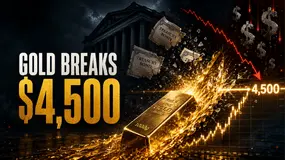
XAU/USD Hits $4,500: Washington Bought Bonds—and Gold Exploded
Gold surged above $4,500 after the US Treasury expanded its purchases of longer-dated government bonds, pushing yields and the dollar lower. But this was not debt forgiveness or Federal Reserve money printing—it was a liquidity operation that exposed a much bigger fear: America may be finding it increasingly difficult to live with market-driven interest rates.
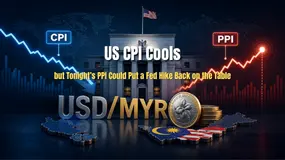
US CPI Cools, but Tonight’s PPI Could Put a Fed Hike Back on the Table
US inflation cooled in July, lowering expectations for a September Federal Reserve rate hike. However, tonight’s PPI report could quickly change the outlook, with potential implications for the US dollar, ringgit, gold, cryptocurrencies and Bursa Malaysia.
Exchange Rate Fluctuations: Key Facts Every Forex Trader Should Know
The forex market is a happening place with currency pairs getting traded almost non-stop for five days a week. Some currencies become stronger, some become weaker, and some remain neutral or rangebound. If you talk about the Indian National Rupee (INR), it has dipped sharply against major currencies globally over the past year. The USD/INR was valued at around 85-86 in Feb 2025. As we stand in Feb 2026, the value has dipped to over 90. The dip or rise, whatever the case may be, impacts our daily lives. It determines the price of an overseas holiday and imported goods, while influencing foreign investors’ perception of a country. The foreign exchange rates change constantly, sometimes multiple times a day, amid breaking news in the economic and political spheres globally. In this article, we have uncovered details on exchange rate fluctuations and key facts that every trader should know regarding these. Read on!
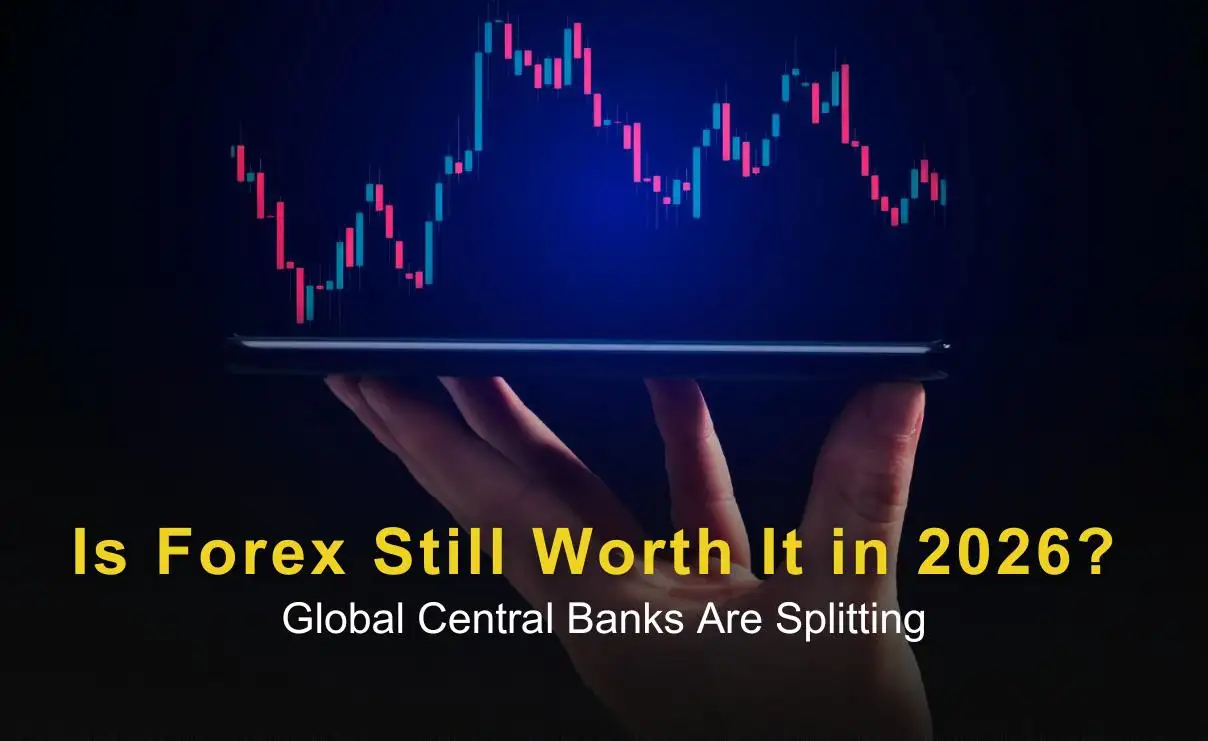
Is Forex Still Worth It in 2026? Global Central Banks Are Splitting
Entering 2026, diverging central bank policies are reshaping global FX and bond markets, while economic momentum shifts from developed economies toward India. Meanwhile, an upcoming leadership transition at the US Federal Reserve presents a key underappreciated risk that could trigger renewed volatility in interest rates and the US dollar.
WikiFX Broker
Latest News
Treasury Buybacks Alter Dollar Liquidity Flows
 WikiFX
Forest City Scam Raids Raise Fresh Warning for Malaysian Property Owners
WikiFXFASTWIN Review: What Traders Should Know Before Depositing
WikiFXFOMO in Forex: Why a Missed Move Feels Like a Real Loss
WikiFXBOLD PRIME Review 2026: Regulation Warnings, Withdrawal Complaints, and Account Access Risks
WikiFXFBS Review: Broker Regulation Warnings and Withdrawal Complaints Traders Cannot Ignore
WikiFXBRAC EPL Review 2026: A Major Dhaka Stockbroker with a 2.06 WikiFX Score and No Recorded Regulation
WikiFXBangladesh Caps Cash Dollar at Tk126.50 to Calm Kerb Market
WikiFXEC Markets Marketing Director Nick Xydas Steps Down
WikiFXIG Review: Withdrawal Complaints Hit a Globally Known Broker
WikiFXRate Calc

