The Copper Crunch: Meeting Soaring Demand in a Greener World
Abstract:The global copper demand, driven by the green energy revolution and infrastructure projects, is facing a potentially debilitating supply crunch. With copper playing an essential role in renewable energy infrastructure, electric vehicles (EVs), and traditional industries like construction, electronics, and power generation, the pressure to meet the growing demand is mounting.
renewable energy infrastructure, electric vehicles (EVs), and traditional industries like construction, electronics, and power generation, the pressure to meet the growing demand is mounting.
The S&P Global report from July 2022 predicts that by mid-century, the world will require 53 million tonnes of copper annually, more than double the current production of 21 million tonnes. As nations strive to reduce carbon emissions and achieve carbon neutrality by 2050, this ever-increasing demand for copper will put a strain on existing supplies and threaten to derail efforts to transition to renewable energy sources.

One of the primary challenges in meeting this demand lies in the discovery and development of new copper deposits. As the largest copper mines face declining reserves and lower ore grades, maintaining current production levels becomes increasingly difficult. Furthermore, it takes an average of 16 years to develop a copper mine from initial discovery to production, according to the International Energy Agency. This means that even if new deposits are discovered today, it would take more than a decade to bring them into production.
In addition, the geopolitical landscape surrounding copper production adds to the challenges faced in meeting demand. A significant amount of copper processing is concentrated in a few countries, including Chile, Russia, Australia, China, and several African nations. Environmental issues like water scarcity, flooding, and severe heat, as well as political factors like resource nationalism, sanctions and strict regulations, hamper the development and expansion of copper mines in these regions.
Chile, the world‘s largest copper producer, is grappling with a water crisis that affects its ability to process sulphide ores which require large amounts of water. Furthermore, copper grades have dropped by 25% over the last decade, resulting in less ore being brought to market. Chile’s newly-elected leftist President Gabriel Boric has proposed higher taxes on the mining industry, which has raised concerns about the industrys competitiveness.
Similarly, Peru, the second-largest copper producer, faces political uncertainty with the government still pondering an increase in taxes on the mining sector, potentially jeopardising future investments.
The current geopolitical tensions between the West and Russia are also poised to affect copper supply in the near future. As international relations become strained, trade restrictions and disruptions in the global supply chain could further exacerbate the copper deficit, placing even more pressure on the critical metals availability to various industries.

Recycling copper is another potential avenue to address the supply gap. However, recycling currently represents a small fraction of the overall supply. In 2021, recycled copper accounted for just 4.5% of the total copper supply. While recycling efforts will continue to grow, they are unlikely to make a significant impact on the looming supply crunch.
In conclusion, the impending copper supply shortfall, coupled with the challenges of discovering and developing new copper deposits, and the limitations of recycling, underscores the potential opportunities in the copper sector, including trading copper futures.


Read more
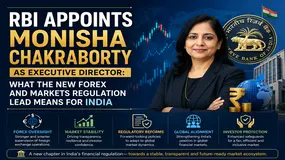
Monisha Chakraborty Appointed as RB Executive Director: What Does This Mean for India's FX Market?
The Reserve Bank of India has appointed Monisha Chakraborty as Executive Director with effect from 3 August 2026; she will oversee the Foreign Exchange Department and the Financial Markets Regulation Department. Chakraborty is a career central banker with over three decades of experience in Supervision, Foreign Exchange, and Government and Bank Accounts, and previously served as Banking Ombudsman. This report explains the significance of the new RBI Executive Director appointment for forex regulation India, the scope of the Foreign Exchange Department and the Financial Markets Regulation Department, and what authorised persons, banks, and forex market participants should monitor as the new ED takes charge.

Moneta Markets Receives UAE Category 5 Licence
Moneta Global Financial Services LLC has received a Category 5 licence from the UAE Capital Market Authority, establishing a regulated structure for the company’s activities in the country.
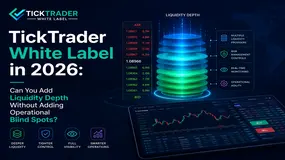
TickTrader White Label in 2026: Can You Add Liquidity Depth Without Adding Operational Blind Spots?
A TickTrader white label can look like the fastest route to a modern branded trading environment, but a fast launch is not the same as a controlled launch. This 2026 broker guide explains what the TickTrader platform is, where a Soft-FX broker solution can sit in a wider operating stack, and how to evaluate the difference between a white label, a server licence, and a connected CRM or Client Office setup. It also unpacks TickTrader cost beyond the monthly headline, including implementation, integration, support, data, governance, migration, and exit assumptions. Use the practical questions, workflow tests, comparison table, and launch checklist to assess a Soft-FX TickTrader provider without mistaking a feature demo for evidence that your brokerage can run the service safely at scale.
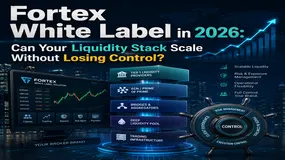
Fortex White Label in 2026: Can Your Liquidity Stack Scale Without Losing Control?
A Fortex white label can look like the fastest route to a modern branded trading environment, but a fast launch is not the same as a controlled launch. This 2026 broker guide explains what the Fortex platform is, where a Fortex broker solution can sit in a wider operating stack, and how to evaluate the difference between a white label, a server licence, and a connected CRM or Client Office setup. It also unpacks Fortex cost beyond the monthly headline, including implementation, integration, support, data, governance, migration, and exit assumptions. Use the practical questions, workflow tests, comparison table, and launch checklist to assess a Fortex provider without mistaking a feature demo for evidence that your brokerage can run the service safely at scale.
WikiFX Broker
Latest News
Apple Faces Lawsuit Over Fake Crypto App Exposing $1.8 Million Theft
 WikiFX
Trump Memecoin Faces SEC Scrutiny After Nearly One Million Investors Suffer Heavy Losses
WikiFX"They Want to See Your Face": Inside ATFX Cambodia's Rise
WikiFXSpread Cheating: The Invisible Trading Cost That Could Be Working Against You
WikiFXLevels Review: No Regulation and Mounting Withdrawal Complaints – What Traders Need to Know
WikiFXLQH MARKETS Review: Multiple Traders Report Withdrawals Blocked and Accounts Terminated
WikiFXBorn2trade Adds Copy Trading to 1:5000 Leverage Platform
WikiFXPILOTFX Review: What Traders Should Know Before Depositing
WikiFXLMAX Group Review 2026: Users Report Disturbing Withdrawal Issues - Is the Broker Still Reliable?
WikiFXTrade24Seven Review: What Traders Should Know Before Depositing
WikiFXRate Calc

