Bittrex Charged for Operating an Unregistered Exchange, Broker, and Clearing Agency
Abstract:On Monday, the U.S. Securities and Exchange Commission (SEC) charged another cryptocurrency exchange, accusing the trading platform Bittrex of operating “an unregistered national securities exchange, broker, and clearing agency.” Since 2014, Bittrex allegedly sold crypto assets that were “offered and sold as securities.” The SEC’s complaint was filed in the U.S. District Court for the Western District of Washington.

On Monday, the U.S. Securities and Exchange Commission (SEC) charged another cryptocurrency exchange, accusing the trading platform Bittrex of operating “an unregistered national securities exchange, broker, and clearing agency.” Since 2014, Bittrex allegedly sold crypto assets that were “offered and sold as securities.” The SECs complaint was filed in the U.S. District Court for the Western District of Washington.
In a separate filing, the commission charged Bittrex Inc.s foreign affiliate, Bittrex Global GmbH, for not registering as a national securities exchange in connection with its operation of a single shared order book along with Bittrex.
According to the SEC, the crypto exchange has been facilitating the purchase and sale of crypto assets since around 2014. However, the commissions complaint alleges that those assets were offered and sold as securities.
The commission alleged that Bittrex facilitated buying and selling of crypto assets that were offered and sold as securities; serviced investors as a broker, exchange and clearing agency without registering with the SEC; and worked to conceal its offering of securities from regulators, according to the release.
It also alleged that Bittrex Global should have registered as well because it operated a shared order book along with Bittrex, the release said.
“From 2017 through 2022, Bittrex earned at least $1.3 billion in revenues from, among other things, transaction fees from investors, including U.S. investors, while servicing them as a broker, exchange, and clearing agency without registering any of these activities with the Commission,” said the SEC.
Bittrex and Shihara allegedly deleted some “problematic statements” believed to have the potential of attracting SECs investigation of the crypto asset as the offering of a security.
According to SEC Chair Gary Gensler, “Bittrex, as alleged, failed to register and comply with U.S. securities laws as an exchange, broker-dealer, and clearing agency. Cosmetic alterations did nothing to change the underlying economic realities of the offerings and Bittrex‘s conduct. Currently, we’re holding Bittrex accountable for its non-compliance.”


Read more
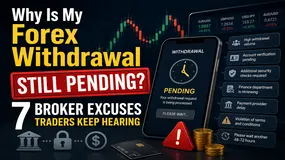
Why Is My Forex Withdrawal Still Pending? 7 Broker Excuses Traders Keep Hearing
Withdrawal delays are precisely the complaint we keep receiving on WikIFX, a veteran in the forex regulation inquiry space. While some users receive withdrawal access initially and find rejections on their applications later, some fail to receive a single approval. Some delays usually result from genuine compliance requirements that brokers need to adhere to. However, in many cases, traders have accused the broker of repeated excuses as part of its alleged strategy to deny a seamless fund release. A pending withdrawal cannot be an outright indicator of fraudulent activity. Financial institutions, including forex brokerage entities, need to abide by the anti-money laundering (AML) and Know Your Customer (KYC) regulations. However, as the monitoring process stretches beyond weeks or months, traders become frustrated and raise questions over the broker’s reliability.
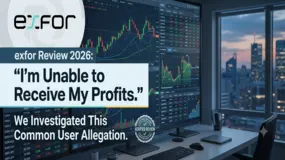
exfor Review 2026: I’m Unable to Receive My Profits. We Investigated This Common User Allegation.
User complaints regarding profit withdrawals have become an increasingly discussed issue among some Exfor traders, including those in South Asia. Trading profits never come easy; they come by spending hours understanding the fundamental and technical factors and their impact on different markets such as forex. However, what matters is whether you are able to receive them. For exfor clients, according to their complaints, this problem is worse! While they claim profits on the dashboard, the same do not reach their trading accounts, resulting in many negative exfor reviews. In this article, we have examined user allegations concerning several issues, including this common profit withdrawal problem.
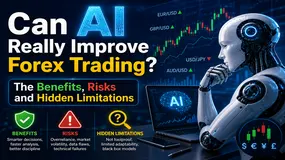
Can AI Really Improve Forex Trading? The Benefits, Risks and Hidden Limitations
We are living in the age of artificial intelligence, where everything including financial matters such as forex are rapidly influenced by this phenomenon. AI-powered tools are here to identify numerous trading opportunities and analyze thousands of data, all in seconds, becoming the preferred option for both retail and institutional traders. Regardless of its immense benefits, traders often question - Whether the AI can truly transform their forex trading experience or is it just like another technology offering scope for unrealistic expectations? While the AI can ensure faster trading and more informed decisions, it is never a sure shot way to profits. As a trader, you need to understand both the strengths and limitations of AI when it comes to generating real wealth.

Copy Trading Gone Wrong? The Mistakes That Could Wipe Out Your Entire Trading Account
We all love trading geniuses and their strategies that earn them profits season after season. And we also love following them to make our investment journey seamless. Copy trading is one such tactic that beginners employ to enter the forex market. What do most of them usually do? They pick an experienced investor from the list and let the platform replicate every trade automatically. The fact that experienced traders continually earn profits, the feeling of copying their trades remains intense. However, the uncertain forex landscape can bite you hard by simply copying trades and not focusing on technical analysis and the charts during the day. Beginners can have a set of preconceived notions that can potentially open the gate for losses. In this article, we have highlighted such mistakes traders should avoid.
WikiFX Broker
Latest News
21 Arrested in Melaka Raid on Fake Stock Investment Call Centre
 WikiFX
Octa Review: Profit Withdrawals, Account Blocks, and Broker Risk Signals
WikiFXSpotting Forex Ponzi Schemes and Confidence Scams Before You Deposit
WikiFXWhat Indian Beginners Should Check Before Choosing a Forex Broker
WikiFXINVESTIZO Review: Unregulated Broker Under Fire Over Withdrawals and Profit Cancellation
WikiFXBuild Trading Discipline Using a Bar-by-Bar Blind Test
WikiFXBreak the Habit of Adding to Your Losing Trades
WikiFXBehind the Regulated Facade: Is ACCUMARKETS Freezing Out Successful Traders?
WikiFXFBS Review: CySEC & ASIC Licensed, Yet Scored 2.51 , What's Really Going On?
WikiFXIpoh Businessman Loses RM1.25 Million in Crypto Group that Promised High Returns
WikiFXRate Calc

