WIKIFX REPORT: FX broker operator Goldenburg Group fined €270K by CySEC
Abstract:Cyprus financial regulator CySEC has issued its latest six figure fine to the operator of a Retail FX broker, hitting CIF licensed Goldenburg Group Ltd with a fine settlement of €270,000.
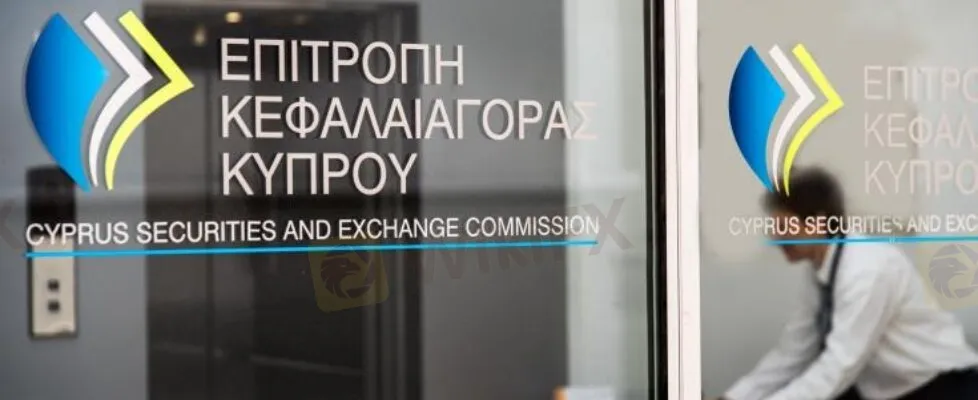
Cyprus financial regulator CySEC has issued its latest six figure fine to the operator of a Retail FX broker, hitting CIF licensed Goldenburg Group Ltd with a fine settlement of €270,000.
In its note regarding the fine (see full text below) CySEC noted a number of issues it investigated at Goldenburg including organisational requirements of the company, conflicts of interest, obligations of investment firms when appointing tied agents, and the marketing, distribution or sale of CFDs to retail clients.
Goldenburg Group operates a number of online retail trading websites and brands aimed mainly at clients in Central and Eastern Europe including topforex.com, etrader.eu, fxglobal.com, tradecentrum.com, cfdworld.com, and xpartners.com.
The full text of the note issued by CySEC reads as follows:
1st February 2021
CYSEC Board Decision
Announcement date: 01.02.2021; Board decision date: 18.01.2021
Regarding: Goldenburg Group Limited
Legislation: Τhe Investment Services and Activities and Regulated Markets Law
Subject: Settlement €270.000
The Cyprus Securities and Exchange Commission («CySEC») would like to note the following:
CySEC, under article 37(4) of the Cyprus Securities and Exchange Commission Law of 2009, may reach a settlement agreement regarding any violation or possible violation, act or omission for which there is reasonable ground to believe that is in breach of the provisions of legislation under the regulatory remit of CySEC.
CySEC reached a settlement agreement with the CIF Goldenburg Group Limited («the Company») for possible violations of the Investment Services and Activities and Regulated Markets Law of 2017 – L.87(I)/2017 («the Law») and article 40 of the Regulation (EU) No. 600/2014. More specifically, the investigation for which the settlement was reached, involved assessing, for the period January 2018 until October 2020, the Companys compliance with:
1. Article 22(1) of the Law as to the authorisation condition laid down in article 17(2) and article 17(7)(d) of the Law, regarding the organisational requirements with which a CIF is required to comply.
2. Article 24(1) of the Law, regarding conflicts of interest.
3. Article 25, paragraph (1) and (3), of the Law, regarding general principles and information to clients.
4. Article 26(3)(a) of the Law, regarding the assessment of appropriateness to clients.
5. Article 30(2), sub-paragraphs (a) and (b), of the Law, regarding the obligations of investment firms when appointing tied agents.
6. Article 40 of the Regulation (EU) 600/2014 with respect to European Securities and Markets Authority Decision (EU) 2018/796, regarding the conditions for the marketing, distribution or sale of CFDs to retail clients.
The settlement reached with the Company, regarding the possible violations of its regulatory obligations, amounts to €270.000. The Company settled the amount of €270.000.
All amounts payable relating to settlement agreements are considered revenue (income) of the Treasury of the Republic and do not constitute income of CySEC.

Read more

Maxpro365 Review 2026: Where Is My $23,000? We Investigated User Allegations About Missing Funds
MaxPro365, a Costa Rica-based brokerage entity, is indeed accused of allegations concerning missing funds. The allegations have come specifically from Indian users. One striking claim we came across talked about missing funds worth $23,000. All of these allegations indicate a potential investment scam. In this Maxpro365 review, we have investigated several user allegations and provided an overview of the regulatory framework.

Oron Trade Review 2026: Why Should I Accept Just $100 Out of $15000 Balance? Read Our Investigation!
This is the problem an Indian trader reportedly faced on the Oron Trade platform. The Saint Lucia-based forex broker, despite receiving positive reviews for a low minimum deposit and a 5% monthly withdrawable bonus, continued to be criticized by users for its withdrawal processing. In this Oron Limited review, we have thoroughly investigated user claims and revealed whether this brokerage firm is regulated.
TopFX Review 2026: Profits Earned, Account Terminated, Withdrawal Denied? Check This Investigation
TopFX, a Cyprus-based brokerage entity, continues to face user allegations globally, including those in South Asia. While complaints against the firm are on several issues, the one that is very concerning is the alleged account termination following a withdrawal request by traders upon profit generation on the platform. Traders have even opposed deposit delay and operational glitches concerning leverage. In this TopFX review, we have examined wide-ranging allegations against the broker while also sharing its regulatory framework for an informed decision-making experience.
octa Review 2026: Is There an End to My Endless Failed Withdrawal Requests? We Examined This Claim
octa, a Cyprus-based brokerage company, continues to face a common question from traders: when will my withdrawal requests be successfully processed? Maybe not literally, but contextually, it is allegedly the issue many traders have reported on broker review platforms such as WikiFX. Regardless of the trader’s region, be it South Asia, Indonesia, Brazil or any other, most traders have expressed their concerns over the alleged withdrawal delays or denials. In this octa review, we have examined several user allegations concerning withdrawal issues and other problems encountered on the platform.
WikiFX Broker
Latest News
Malaysia’s Pension Fund (KWAP) Hit by eFishery Fraud Scandal with RM163 Million at Risk
 WikiFX
EMAR MARKETS Review 2026: FSCA Regulation, Withdrawal Complaints, and Account Access Risks
WikiFXFacing a 20% Floating Loss: How Beginners Can Prevent a Margin Call
WikiFXInstaForex Review 2026: Is This Forex Broker Safe?
WikiFXSandStoneFX Review 2026: Is This Forex Broker Safe?
WikiFXFake Investment Scam and Human Trafficking Network Busted with 109 Arrested
WikiFXForex Traders With Day Jobs: The PERKESO Deadline You Cannot Ignore
WikiFXMaxpro365 Review 2026: Where Is My $23,000? We Investigated User Allegations About Missing Funds
WikiFXPolice Reveal Why Fewer Malaysian Indians Fall for Scams
WikiFXTrading the Asian Range Breakout: How to Spot Real Moves vs. Fakeouts
WikiFXRate Calc

